
Autism Emotion Chart
Autism Emotion Chart - Web discover the rich tapestry of emotions within the autism spectrum. Web help your students learn to identify and talk about their emotions and behavior! Neurotypical children are able to recognize basic facial expressions such as happy and sad from as early as 3 to 4 months of age and they are able to respond to and reciprocate the emotions of others by only 7 months. From being called “oversensitive” to “unempathic”, it’s not unusual for autistic individuals to be told that, whatever they’re feeling, it is the wrong emotion. Web a feelings chart may be an effective visual support to help students express how they are feeling with or without using any words. Web autism spectrum disorder (asd) is a neurological and developmental disorder that afects how people interact with others, communicate, learn, and behave. For more information, check out our website. Web written by loren snow. Web the feelings wheel is a widely used visual aid that organizes emotions based on the six core emotions (anger, fear, sadness, calm, strong, and happiness). Web by kari dunn buron. Visual supports can help to: Web steinberg shares information on morning routines, visual charts along with reward charts for children with autism and other developmental disorders. The chart incorporates a range of emotions, including sad, happy, angry, and anxious. Each emotion has a corresponding color and description of the physical sensations associated with that feeling. Web an emotion chart can be an effective tool to use to support autistic children (and other children) to recognise their emotions and express to others how they are feeling. A poster or printable with illustrations of people’s faces is an excellent option when trying to help an asd child identify feelings and emotions. Although autism can be diagnosed at any age, it is described as a “developmental disorder” because symptoms generally appear in the first two years of life. Web the feelings wheel is a widely used visual aid that organizes emotions based on the six core emotions (anger, fear, sadness, calm, strong, and happiness). Web help your students learn to identify and talk about their emotions and behavior! For more information, check out our website. Web in this post, i use plutchik’s wheel of emotions to map out the intensity and prevalence of emotions of autistics, neurotypicals, and psychopaths. Hang the board on the wall and ask the child to show you where their emotions fall on this chart every day. This is simply because we process and express emotions differently and many of our. The chart incorporates a range of emotions, including sad, happy, angry, and anxious. Dive into heartfelt stories, explore unique expressions, and embrace the genuine feelings that define individuals with emotional autism. In order for the feelings chart to be an effective strategy, students must understand the meaning of different feelings represented at. Web this free self regulation chart will help. Each emotion has a corresponding color and description of the physical sensations associated with that feeling. The chart incorporates a range of emotions, including sad, happy, angry, and anxious. A poster or printable with illustrations of people’s faces is an excellent option when trying to help an asd child identify feelings and emotions. Also great to use a a check. Web discover the rich tapestry of emotions within the autism spectrum. Web this free self regulation chart will help your autistic child or student use a visual support to communicate how they feel and what they need. Although autism can be diagnosed at any age, it is described as a “developmental disorder” because symptoms generally appear in the first two. From being called “oversensitive” to “unempathic”, it’s not unusual for autistic individuals to be told that, whatever they’re feeling, it is the wrong emotion. Hang the board on the wall and ask the child to show you where their emotions fall on this chart every day. Web written by loren snow. This is simply because we process and express emotions. Although autism can be diagnosed at any age, it is described as a “developmental disorder” because symptoms generally appear in the first two years of life. Web a feelings chart may be an effective visual support to help students express how they are feeling with or without using any words. Web by kari dunn buron. For more information, check out. Visual supports can help to: From being called “oversensitive” to “unempathic”, it’s not unusual for autistic individuals to be told that, whatever they’re feeling, it is the wrong emotion. Web the autism emotion chart, or simply emotions chart, is a visual aid to help children with asd understand and subsequently manage their emotions. This is simply because we process and. Web an emotion chart can be an effective tool to use to support autistic children (and other children) to recognise their emotions and express to others how they are feeling. In order for the feelings chart to be an effective strategy, students must understand the meaning of different feelings represented at. Web this free self regulation chart will help your. Web this free self regulation chart will help your autistic child or student use a visual support to communicate how they feel and what they need. The lego moods print entitled, how do you feel today is an example of a tool children of all ages and different genders can relate to. This set includes 3 essential components: They can. Visual supports can help to: Web a feelings chart may be an effective visual support to help students express how they are feeling with or without using any words. Web an emotion chart can be an effective tool to use to support autistic children (and other children) to recognise their emotions and express to others how they are feeling. Each. Web discover the rich tapestry of emotions within the autism spectrum. Web emotion regulation problems are common in people with autism spectrum disorder (asd). Dive into heartfelt stories, explore unique expressions, and embrace the genuine feelings that define individuals with emotional autism. For more information, check out our website. Web by kari dunn buron. A poster or printable with illustrations of people’s faces is an excellent option when trying to help an asd child identify feelings and emotions. Hang the board on the wall and ask the child to show you where their emotions fall on this chart every day. We’ve produced a feelings chart that you can download for free and use with children in. The lego moods print entitled, how do you feel today is an example of a tool children of all ages and different genders can relate to. Web written by loren snow. They can be used in most situations, are adaptable and portable. This visual tool can assist individuals with autism in identifying and communicating their feelings. Utilize charts or posters that display a range of emotions along with corresponding facial expressions. Each emotion has a corresponding color and description of the physical sensations associated with that feeling. Web feelings and emotions charts. Neurotypical children are able to recognize basic facial expressions such as happy and sad from as early as 3 to 4 months of age and they are able to respond to and reciprocate the emotions of others by only 7 months.
Printable Emotion Chart For Autism

Printable Emotion Chart For Autism
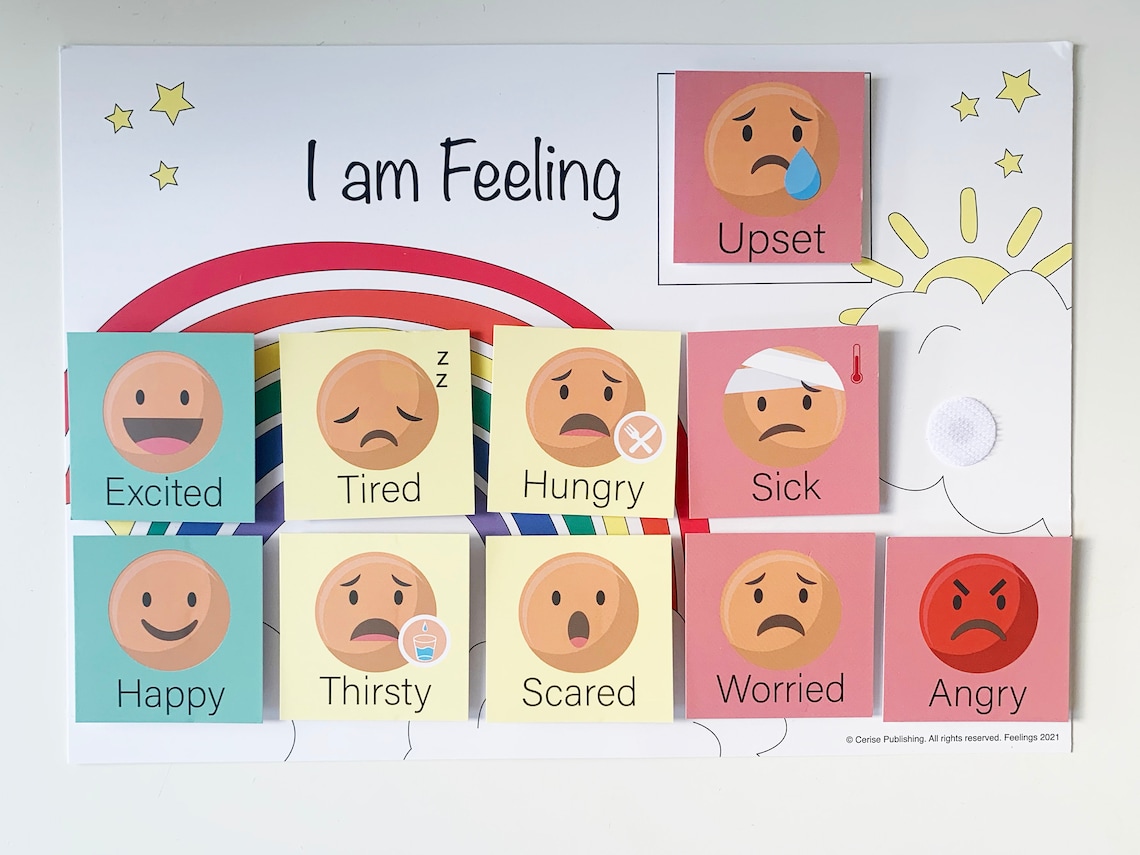
Printable Emotion Chart For Autism

Buy kids2learn Today I AM Feeling Feelings and Emotions Chart

Printable Emotions In The Body Map

Printable Emotion Chart For Autism

Emotion Chart For Autism
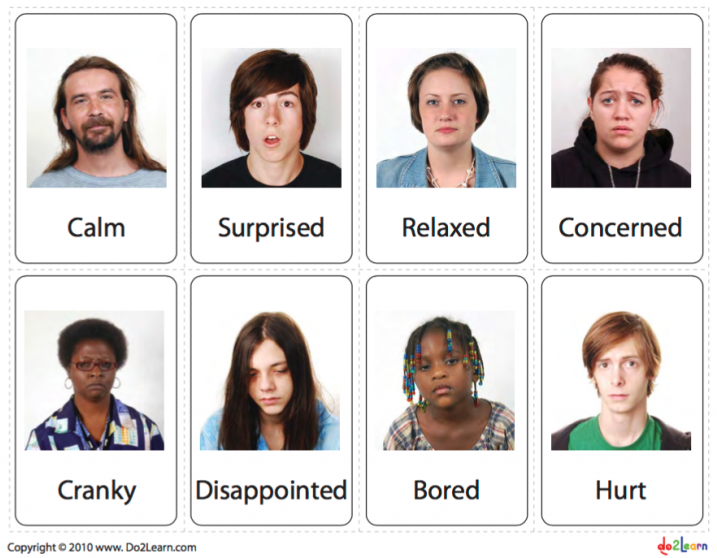
How to teach emotion recognition and labelling to children with autism

Feelings Chart For Autism
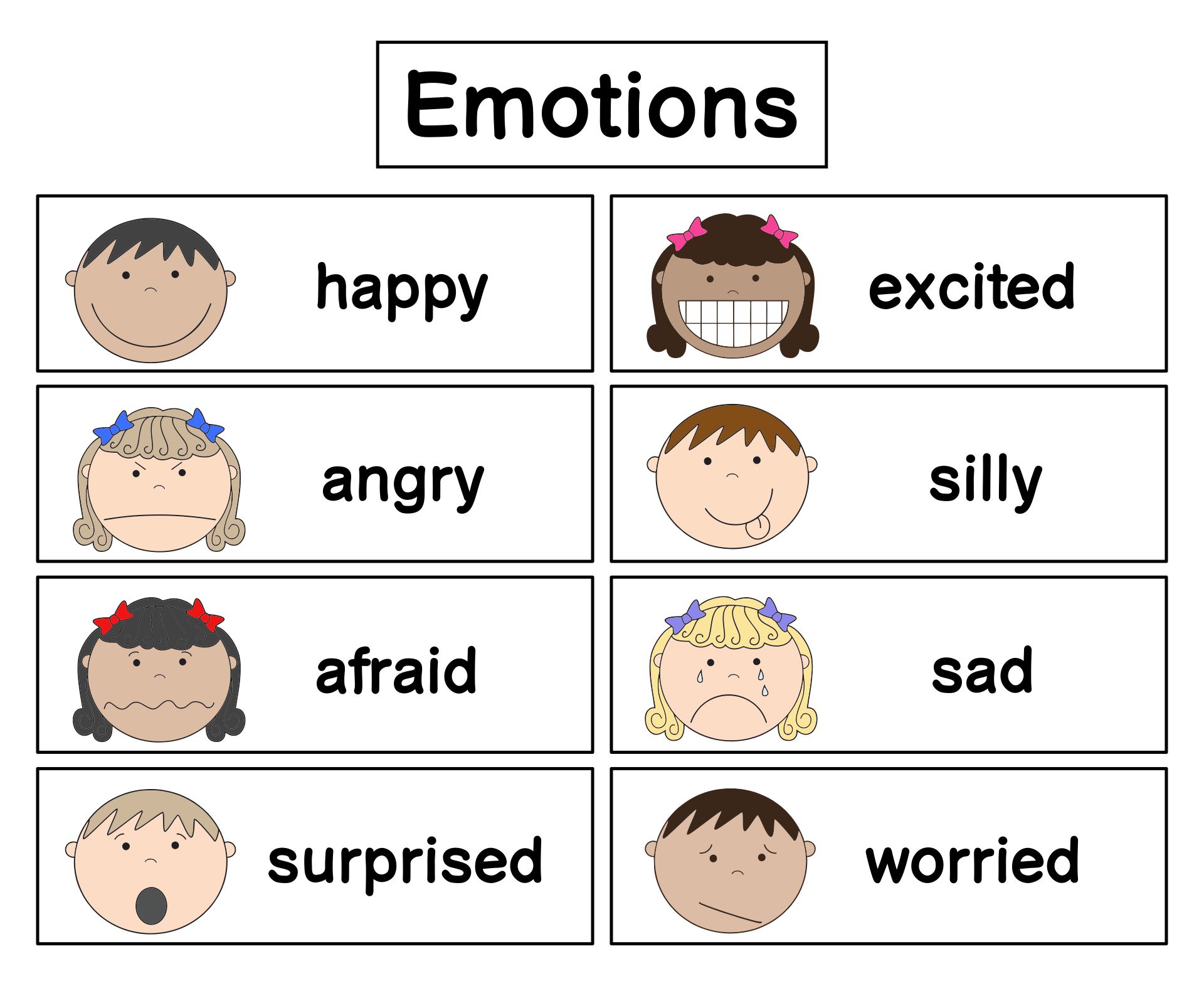
Free Printable Emotion Cards For Autism Printable Templates
Web A Feelings Chart May Be An Effective Visual Support To Help Students Express How They Are Feeling With Or Without Using Any Words.
Web In This Post, I Use Plutchik’s Wheel Of Emotions To Map Out The Intensity And Prevalence Of Emotions Of Autistics, Neurotypicals, And Psychopaths.
Web The Feelings Wheel Is A Widely Used Visual Aid That Organizes Emotions Based On The Six Core Emotions (Anger, Fear, Sadness, Calm, Strong, And Happiness).
Web Steinberg Shares Information On Morning Routines, Visual Charts Along With Reward Charts For Children With Autism And Other Developmental Disorders.
Related Post: