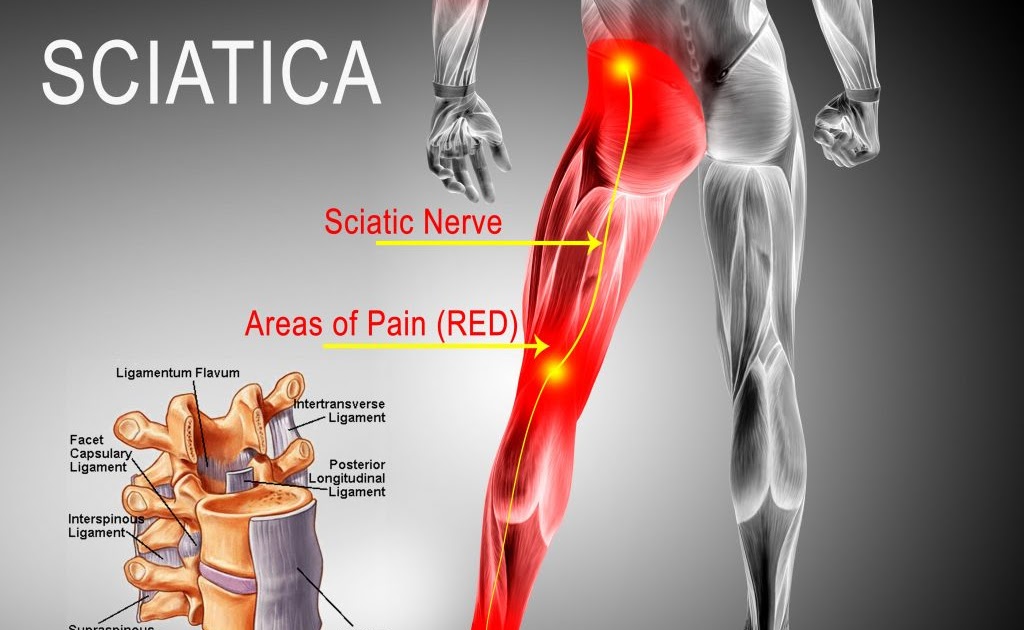
Back Pain Location Chart
Back Pain Location Chart - It affects up to 80% of americans at some pain. Radiating back pain may be caused by: Web back pain symptoms. Loss of bowel or bladder control. Some types of arthritis and cancer can contribute to back pain. Many people with back pain will have more than one episode. Can include numbness or tingling (sciatica) muscle spasms and tightness in the low back, pelvis, and hips. For back pain caused by tense or overworked muscles, massage might help. Web knot or tight spot in back muscle. Web spinal anatomy and back pain. Web spinal anatomy and back pain. A stabbing or shooting pain that can radiate down the leg to the foot. 85% of cases of back pain are caused by a muscle strain. Loss of balance or coordination. Many people with back pain will have more than one episode. Web back pain localized in your tissues may be caused by: A strain of a muscle. Loss of bowel or bladder control. Yoga can stretch and strengthen muscles and improve posture. Pain that worsens after prolonged sitting or. Web stinging, burning pain that moves from the low back to the backs of the thighs, sometimes into the lower legs or feet; Web back pain localized in your tissues may be caused by: It is designed to be incredibly strong, protecting the highly sensitive nerve roots, yet highly flexible, providing for mobility on many different planes. Back pain can. Web stinging, burning pain that moves from the low back to the backs of the thighs, sometimes into the lower legs or feet; Web lower back pain us common. Radiating back pain may be caused by: Some types of arthritis and cancer can contribute to back pain. Loss of bowel or bladder control. Web back pain is more common with age, starting around age 30 or 40. Web knot or tight spot in back muscle. Loss of balance or coordination. Spinal anatomy is a remarkable combination of strong bones, flexible ligaments and tendons, large muscles, and highly sensitive nerves. For back pain caused by tense or overworked muscles, massage might help. Loss of bowel or bladder control. Web stinging, burning pain that moves from the low back to the backs of the thighs, sometimes into the lower legs or feet; Radiating back pain may be caused by: Pain that worsens after prolonged sitting or. Web injuries from contact sports, accidents, and falls can cause problems ranging from minor muscle strains, to. Pain that worsens after prolonged sitting or. Pain in the low back to a specific disease, rather it is a symptom from variety of diseases and problems. Web stinging, burning pain that moves from the low back to the backs of the thighs, sometimes into the lower legs or feet; Weak, unused muscles in the back and abdomen might lead. It affects up to 80% of americans at some pain. Web knot or tight spot in back muscle. Up to 85% of people with low back pain, despite a thorough medical examination, no specific cause of the pain can be identified. Excess body weight puts extra stress on the back. Can include numbness or tingling (sciatica) muscle spasms and tightness. Spinal anatomy is a remarkable combination of strong bones, flexible ligaments and tendons, large muscles, and highly sensitive nerves. Web muscle strain is often the cause of back pain from heavy lifting or vigorous exercise. There are several types of yoga, a broad discipline that involves practicing specific postures or poses, breathing exercises, and relaxation techniques. Can include numbness or. Web back pain is more common with age, starting around age 30 or 40. Web back pain symptoms. Web injuries from contact sports, accidents, and falls can cause problems ranging from minor muscle strains, to herniated disks, to fractures that damage the spinal column or cord. A stabbing or shooting pain that can radiate down the leg to the foot.. Up to 85% of people with low back pain, despite a thorough medical examination, no specific cause of the pain can be identified. There are several types of yoga, a broad discipline that involves practicing specific postures or poses, breathing exercises, and relaxation techniques. Web knot or tight spot in back muscle. It affects up to 80% of americans at. Some types of arthritis and cancer can contribute to back pain. Web back pain localized in your tissues may be caused by: Pain that worsens after prolonged sitting or. Radiating back pain may be caused by: Up to 85% of people with low back pain, despite a thorough medical examination, no specific cause of the pain can be identified. A strain of a muscle. A dull, aching sensation in the lower back. Back pain can have many symptoms, including: Weak, unused muscles in the back and abdomen might lead to back pain. Radiating back pain may be caused by: Web injuries from contact sports, accidents, and falls can cause problems ranging from minor muscle strains, to herniated disks, to fractures that damage the spinal column or cord. Web knot or tight spot in back muscle. Loss of bowel or bladder control. Web back pain localized in your tissues may be caused by: Yoga can stretch and strengthen muscles and improve posture. 85% of cases of back pain are caused by a muscle strain. It is designed to be incredibly strong, protecting the highly sensitive nerve roots, yet highly flexible, providing for mobility on many different planes. Web spinal anatomy and back pain. Web back pain is more common with age, starting around age 30 or 40. There are several types of yoga, a broad discipline that involves practicing specific postures or poses, breathing exercises, and relaxation techniques. Some types of arthritis and cancer can contribute to back pain.
The Pain Scale of Back Pain Florida Surgery Consultants

Lower Back Pain Why, How and Where Infographic
Back Muscle Pain Location Chart / Back Pain Diagram Stock Images

Pathophysiology of Back Pain Neupsy Key
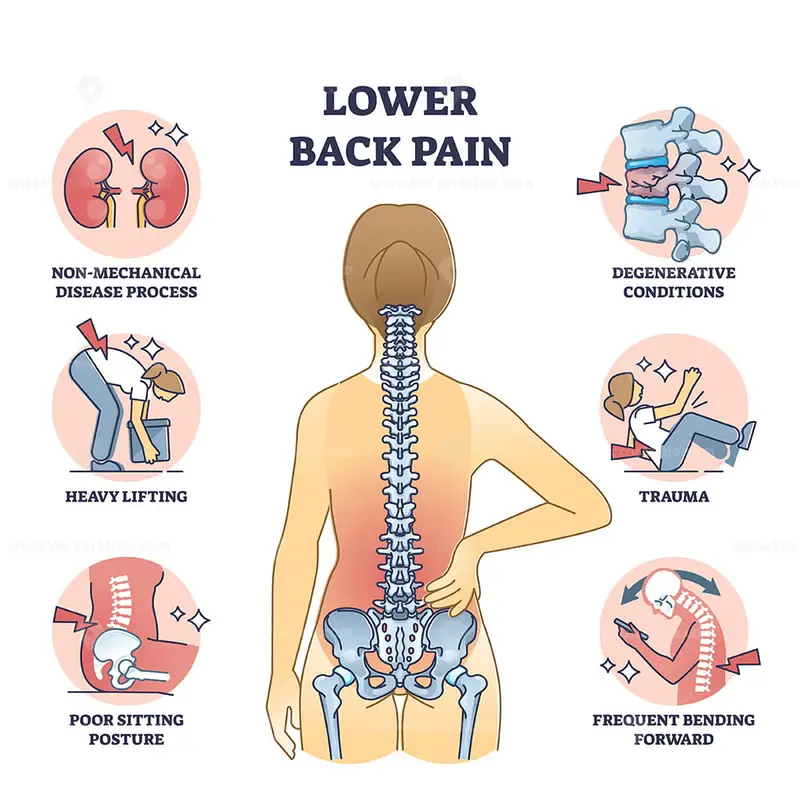
Lower back pain and painful body backbone skeleton causes outline
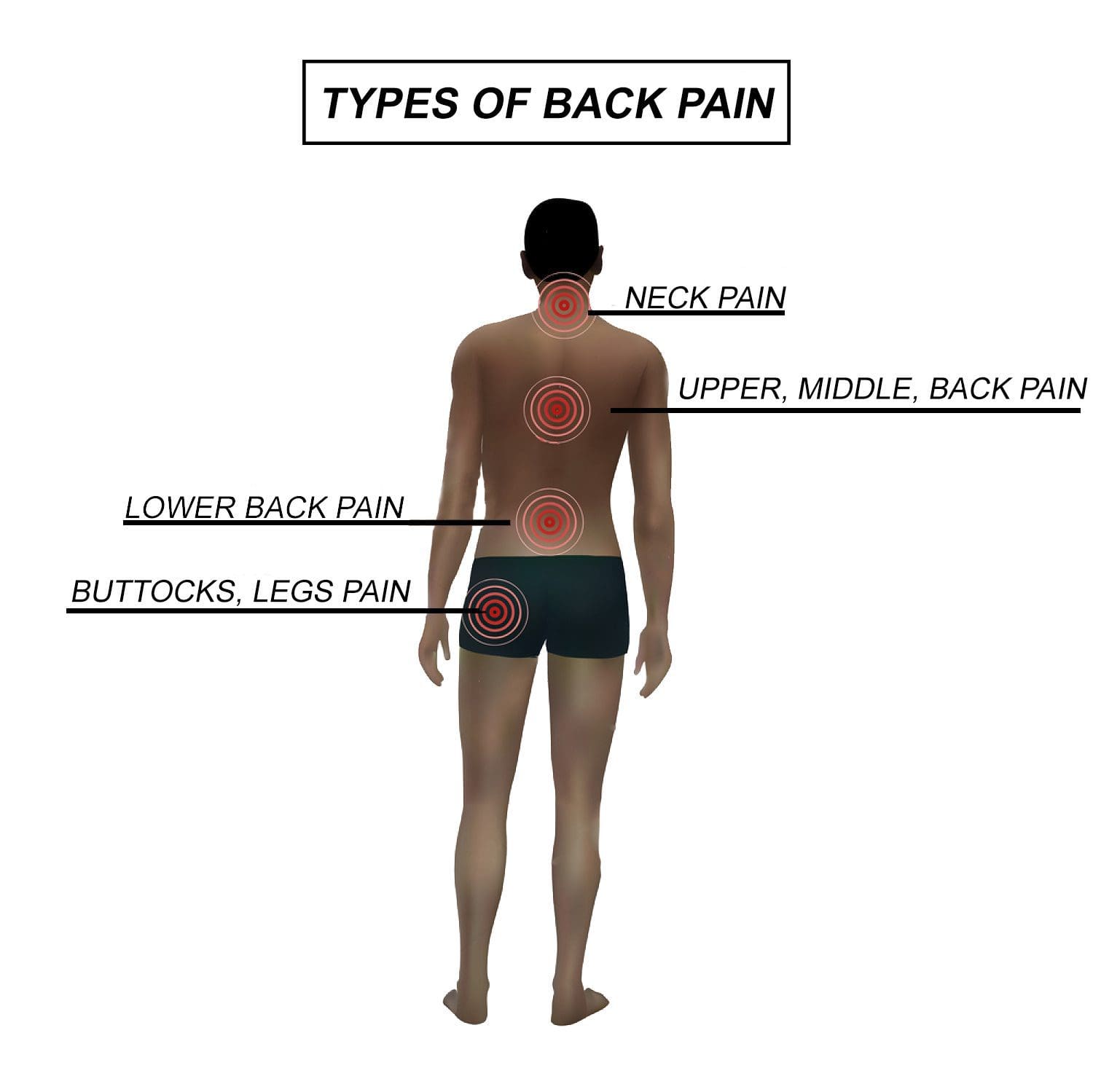
Back Pain Center Upper, Mid & Lower Back El Paso, TX Doctor Of
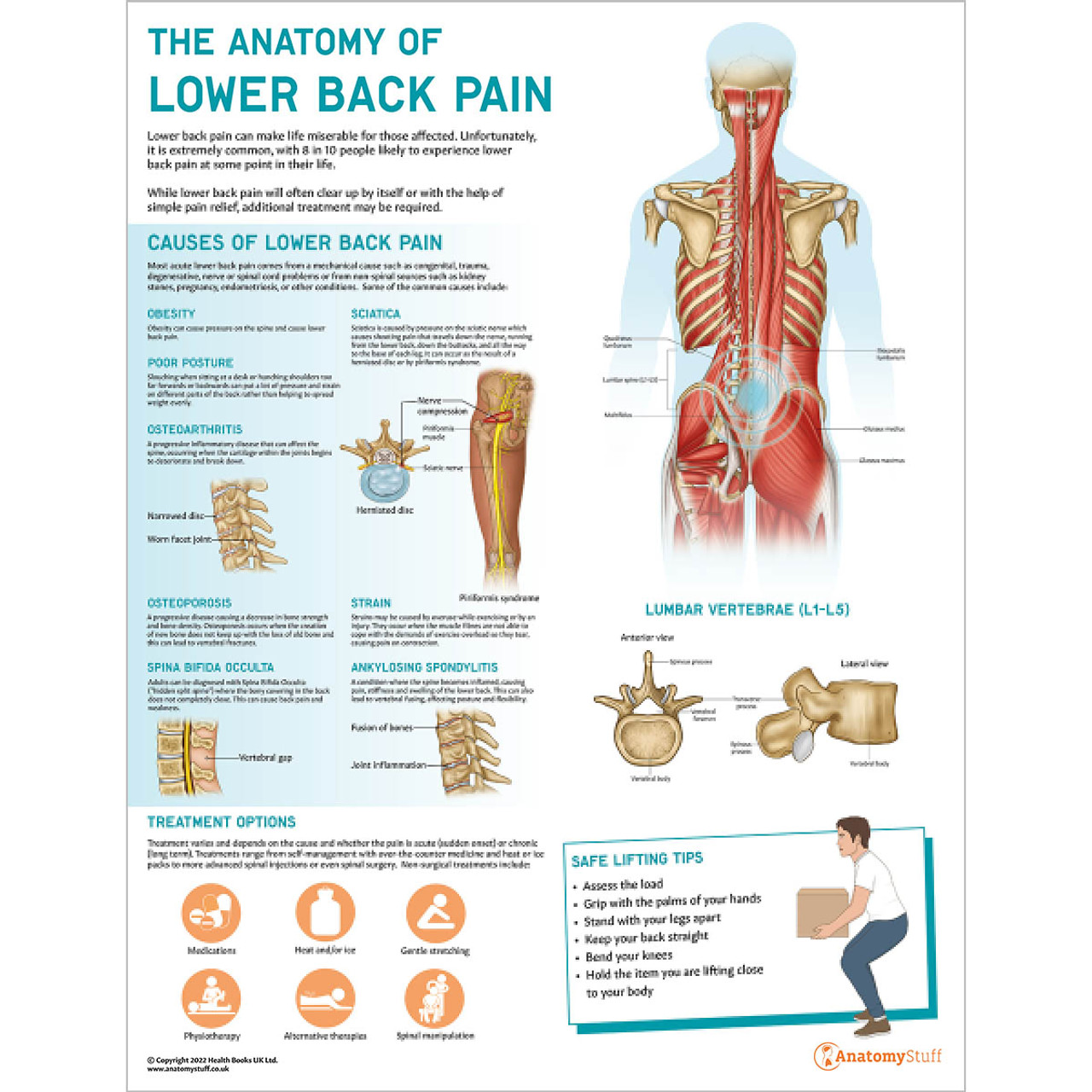
Discover the Secret to a Stronger Back with This MustSee Muscle
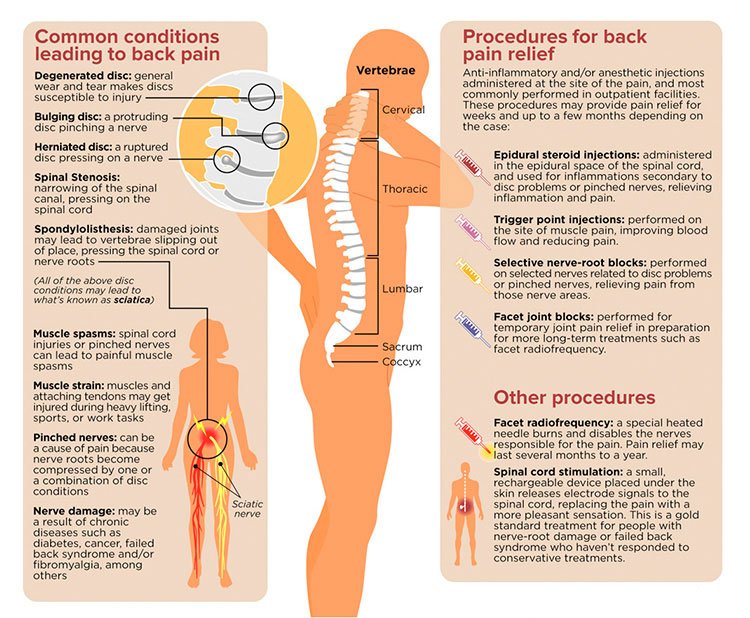
Back Muscles Diagram Pain
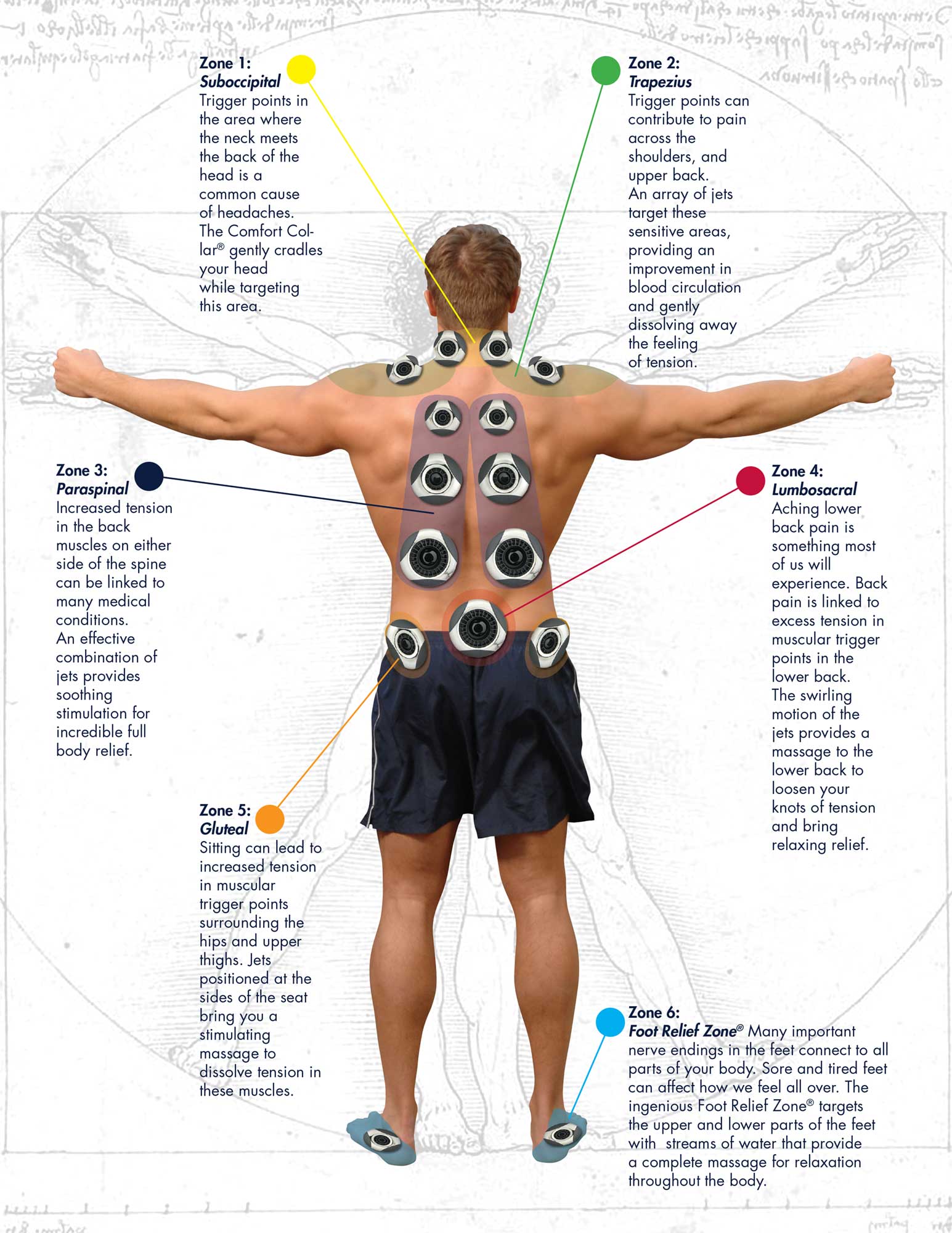
American Whirlpool® Zone Therapy Hot Tubs The Best Spas
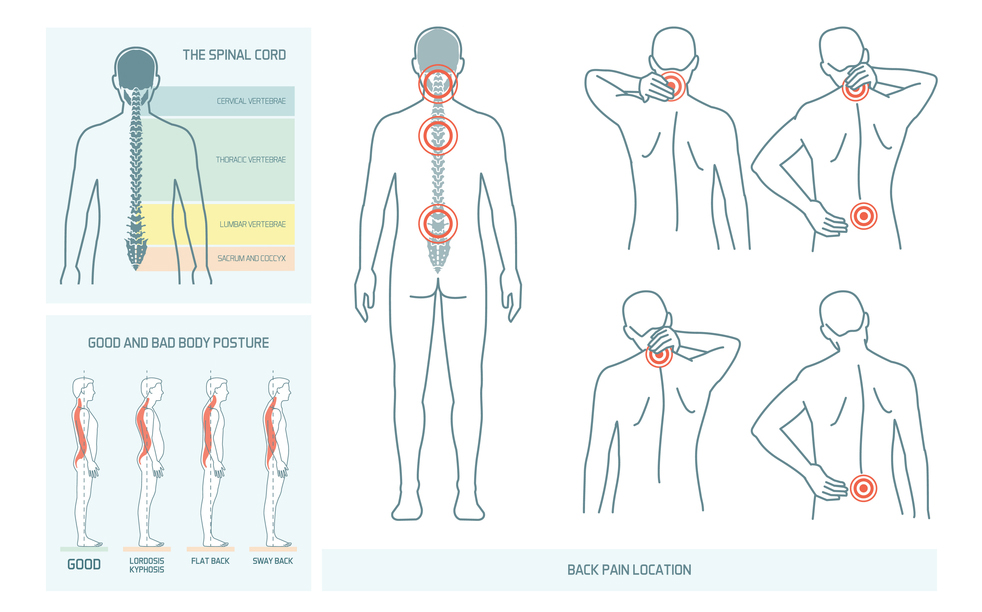
Pacific Rehabilitation 9 Tips to Help Prevent Neck and Back Pain
It Affects Up To 80% Of Americans At Some Pain.
Web Muscle Strain Is Often The Cause Of Back Pain From Heavy Lifting Or Vigorous Exercise.
Spinal Anatomy Is A Remarkable Combination Of Strong Bones, Flexible Ligaments And Tendons, Large Muscles, And Highly Sensitive Nerves.
For Back Pain Caused By Tense Or Overworked Muscles, Massage Might Help.
Related Post: