
Bandana Code Chart
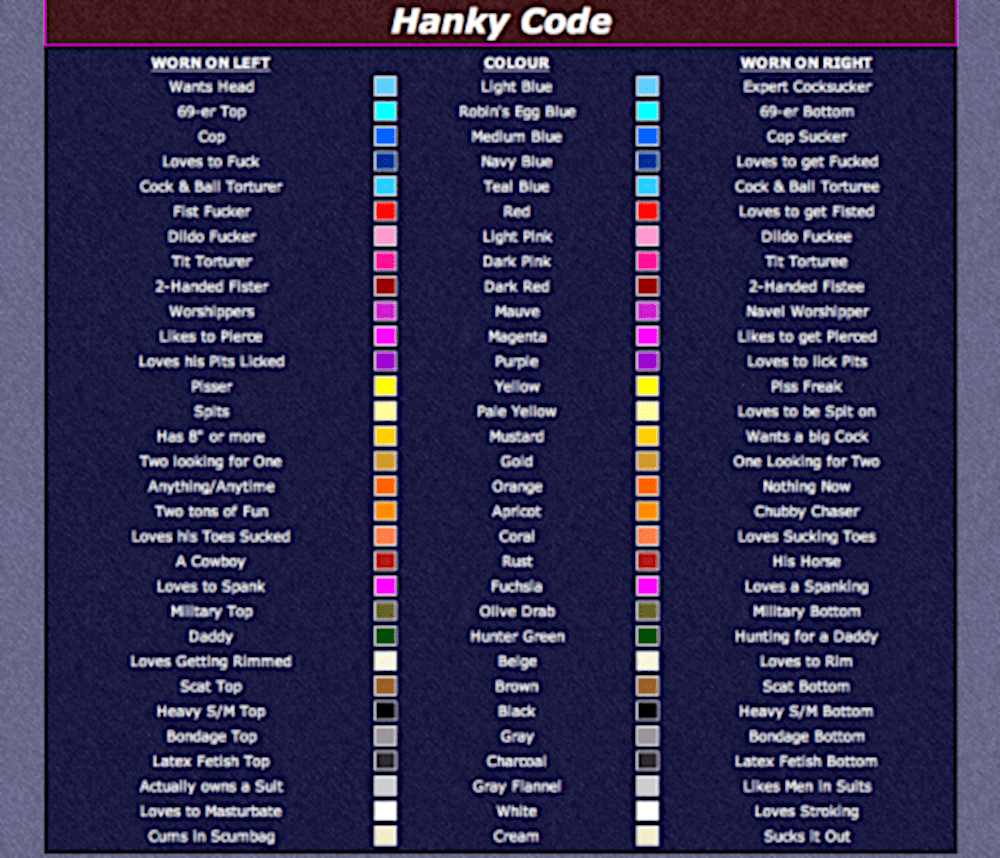
Bandana Code Chart - The use of variety of colored bandanas developed as an easy identifier of the varying roles of the participants of the transition institutes. Web discover the history, meanings, and modern interpretations of the lgbtq+ hanky code, from colored bandanas to leather wristbands. Web the handkerchief code, also known as the hanky code, bandana code or flagging is a way of indicating, usually among gay male casual sex seekers or bdsm practitioners in. Web first popularized in the '70s, the hanky code began as a sly way to showcase sexual preferences for a community still largely in the closet. Web the hanky code is a color code system that men can use to indicate preferred fetish or sexual preferences by wearing one or more color handkerchiefs in their left or right pockets. Gay men used this code to communicate with. Simply put, a bandana is worn in one’s back. But in 2020, the code (and the colors). Web what is the bandana code? Web during the 1960s and 1970s, gay men wore hankies not only to signify their roles, but also their sexual preferences and fetishes. Web a bandana worn on the left side signifies a ‘top’, dominant, or active partner, while the right indicates a ‘bottom’ or submissive partner. Web the hanky code was a covert sartorial code used predominately by queer men in the 1970s and into the 1980s. Simply put, a bandana is worn in one’s back. Gay men used this code to communicate with. Web the “hanky code,” a secret queer cruising code of the 1970s, was a way to signal your sexual desires via flagging—hanging a bandana from the back pocket of. Web what is the bandana code? Web first popularized in the '70s, the hanky code began as a sly way to showcase sexual preferences for a community still largely in the closet. The hanky code became an established way of. From its creation to nowadays, through the lgbt movements. At the end of this article you will. Web first popularized in the '70s, the hanky code began as a sly way to showcase sexual preferences for a community still largely in the closet. But in 2020, the code (and the colors). Gay men used this code to communicate with. The use of variety of colored bandanas developed as an easy identifier of the varying roles of the. Web colours of the hanky code are signals for what you’re yelling to all and sundry within sight. Web discover the origin, the history and the meaning of the hanky code: The use of variety of colored bandanas developed as an easy identifier of the varying roles of the participants of the transition institutes. Back in the 70's and 80's,. Gay men used this code to communicate with. The hanky code became an established way of. From its creation to nowadays, through the lgbt movements. The hanky code is a traditional form of signalling to others what your sexual preferences and interests are. Web what is the bandana code? But in 2020, the code (and the colors). Web first popularized in the '70s, the hanky code began as a sly way to showcase sexual preferences for a community still largely in the closet. The use of variety of colored bandanas developed as an easy identifier of the varying roles of the participants of the transition institutes. From its creation. Simply put, a bandana is worn in one’s back. The hanky code is a traditional form of signalling to others what your sexual preferences and interests are. Web first popularized in the '70s, the hanky code began as a sly way to showcase sexual preferences for a community still largely in the closet. Web a bandana worn on the left. Web the handkerchief code, also known as the hanky code, bandana code or flagging is a way of indicating, usually among gay male casual sex seekers or bdsm practitioners in. Web the hanky code is a color code system that men can use to indicate preferred fetish or sexual preferences by wearing one or more color handkerchiefs in their left. Web during the 1960s and 1970s, gay men wore hankies not only to signify their roles, but also their sexual preferences and fetishes. Web the “hanky code,” a secret queer cruising code of the 1970s, was a way to signal your sexual desires via flagging—hanging a bandana from the back pocket of. Web first popularized in the '70s, the hanky. Web the hanky code was a covert sartorial code used predominately by queer men in the 1970s and into the 1980s. Web the hanky code is a color code system that men can use to indicate preferred fetish or sexual preferences by wearing one or more color handkerchiefs in their left or right pockets. Web what is the bandana code?. Web the gay handkerchief code [ flagging / the bandanna code / the hanky code] is a way for gay men to signal to one another their particular sexual interests with a certain. Web discover the origin, the history and the meaning of the hanky code: Web what is the bandana code? Web the hanky code was a covert sartorial. Web colours of the hanky code are signals for what you’re yelling to all and sundry within sight. Web first popularized in the '70s, the hanky code began as a sly way to showcase sexual preferences for a community still largely in the closet. Web a bandana worn on the left side signifies a ‘top’, dominant, or active partner, while. Web what is the bandana code? Web the gay handkerchief code [ flagging / the bandanna code / the hanky code] is a way for gay men to signal to one another their particular sexual interests with a certain. Web guide to the hanky code. The hanky code is a traditional form of signalling to others what your sexual preferences and interests are. Web a bandana worn on the left side signifies a ‘top’, dominant, or active partner, while the right indicates a ‘bottom’ or submissive partner. Web bandanas are traditionally worn around the neck or head for protective or decorative purposes, but they now have social associations with many different types of crowds. Web the hanky code is a color code system that men can use to indicate preferred fetish or sexual preferences by wearing one or more color handkerchiefs in their left or right pockets. From its creation to nowadays, through the lgbt movements. But in 2020, the code (and the colors). Web colours of the hanky code are signals for what you’re yelling to all and sundry within sight. Web discover the history, meanings, and modern interpretations of the lgbtq+ hanky code, from colored bandanas to leather wristbands. Web the hanky code was a covert sartorial code used predominately by queer men in the 1970s and into the 1980s. At the end of this article you will. Web the handkerchief code, also known as the hanky code, bandana code or flagging is a way of indicating, usually among gay male casual sex seekers or bdsm practitioners in. Back in the 70's and 80's, the hanky code was used as a discreet way of signaling your sexual interests. Simply put, a bandana is worn in one’s back.
Custom Bandana Made in the USA Choose your Color All Etsy Paisley

Pin on hanky code
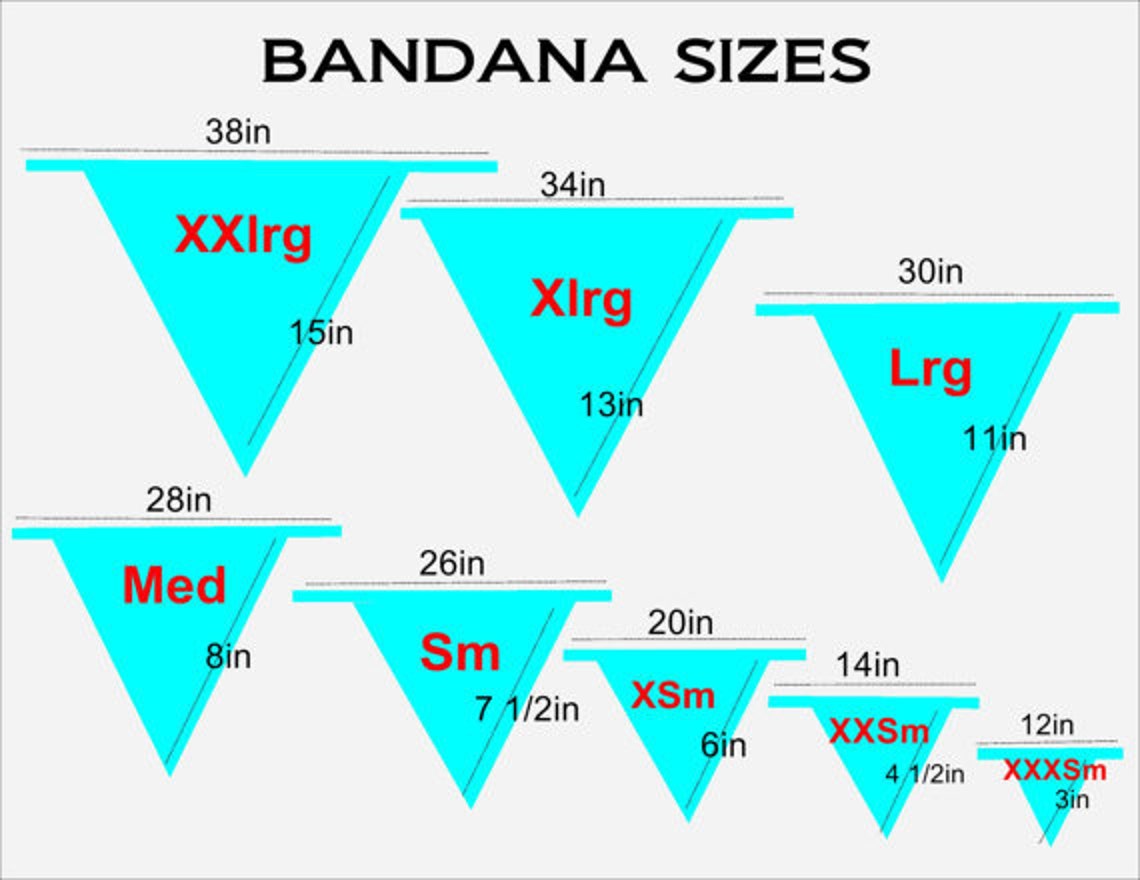
BANDANA SIZING CHART Etsy
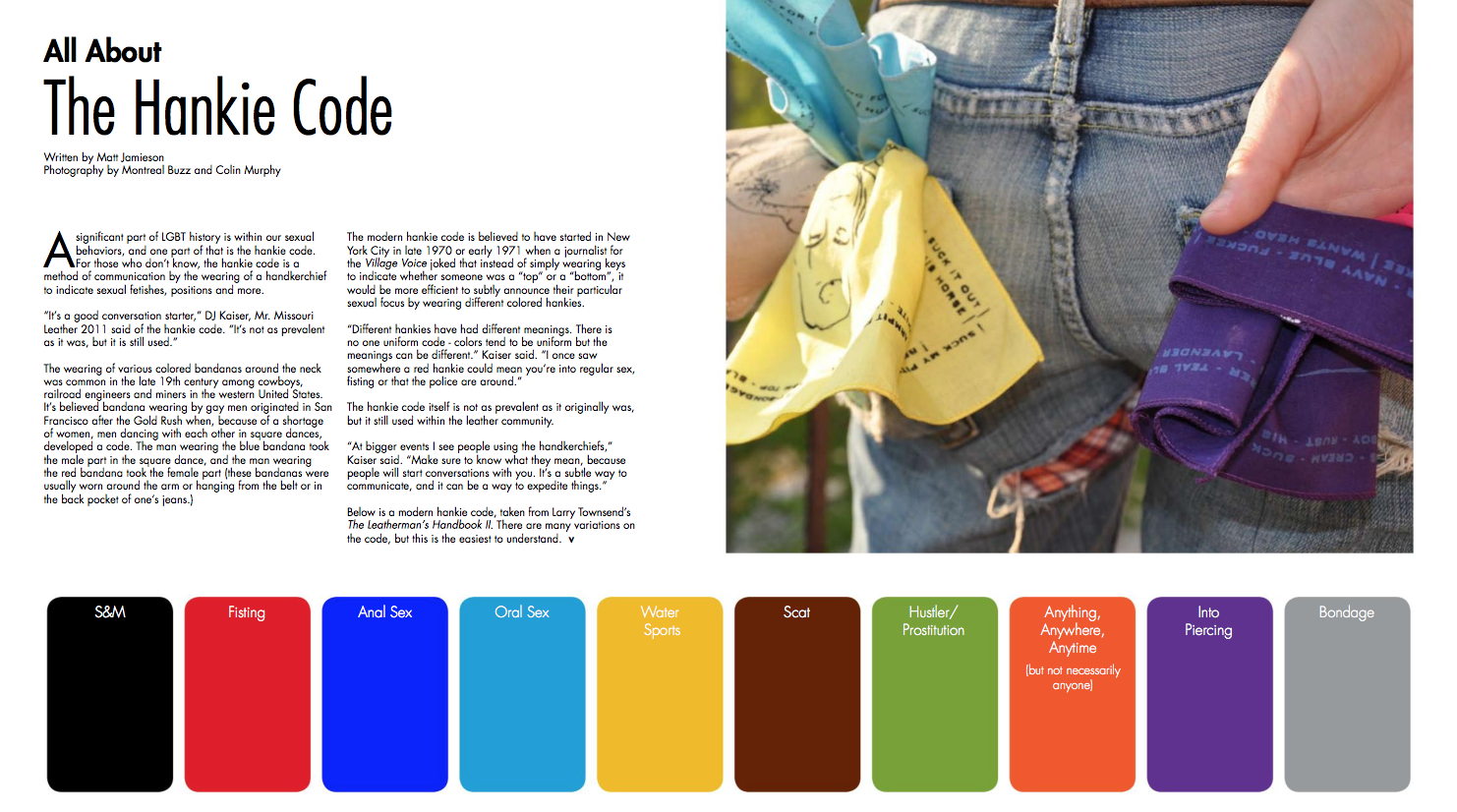
Colour Codes Flagging in the Queer Community QueerEvents.ca

Bandana Color Meanings Explained (Ones to Avoid) Style and Run
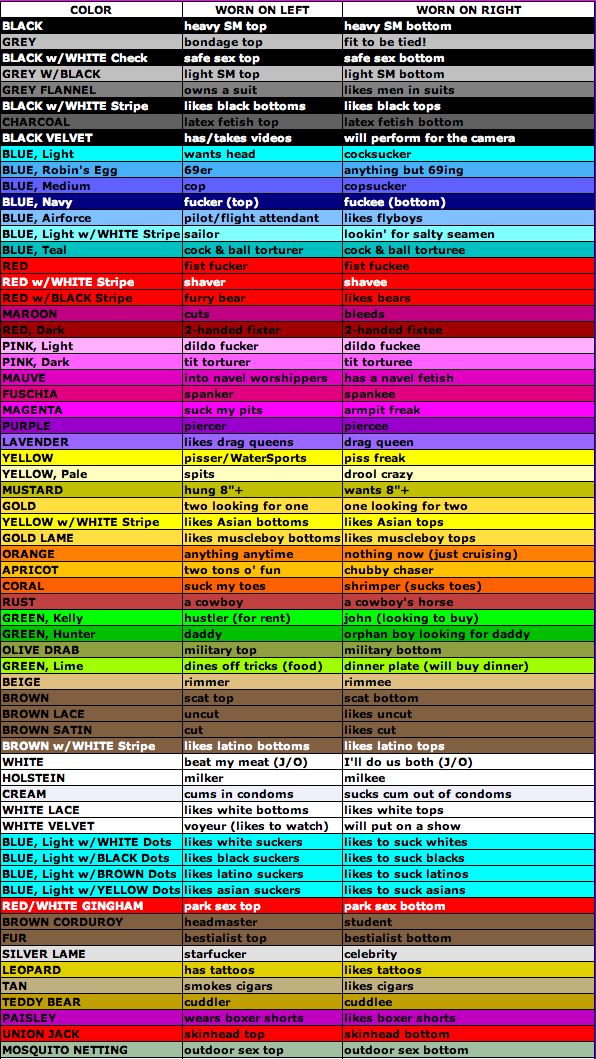
Basic Color Hankies Leather64TEN Chicago
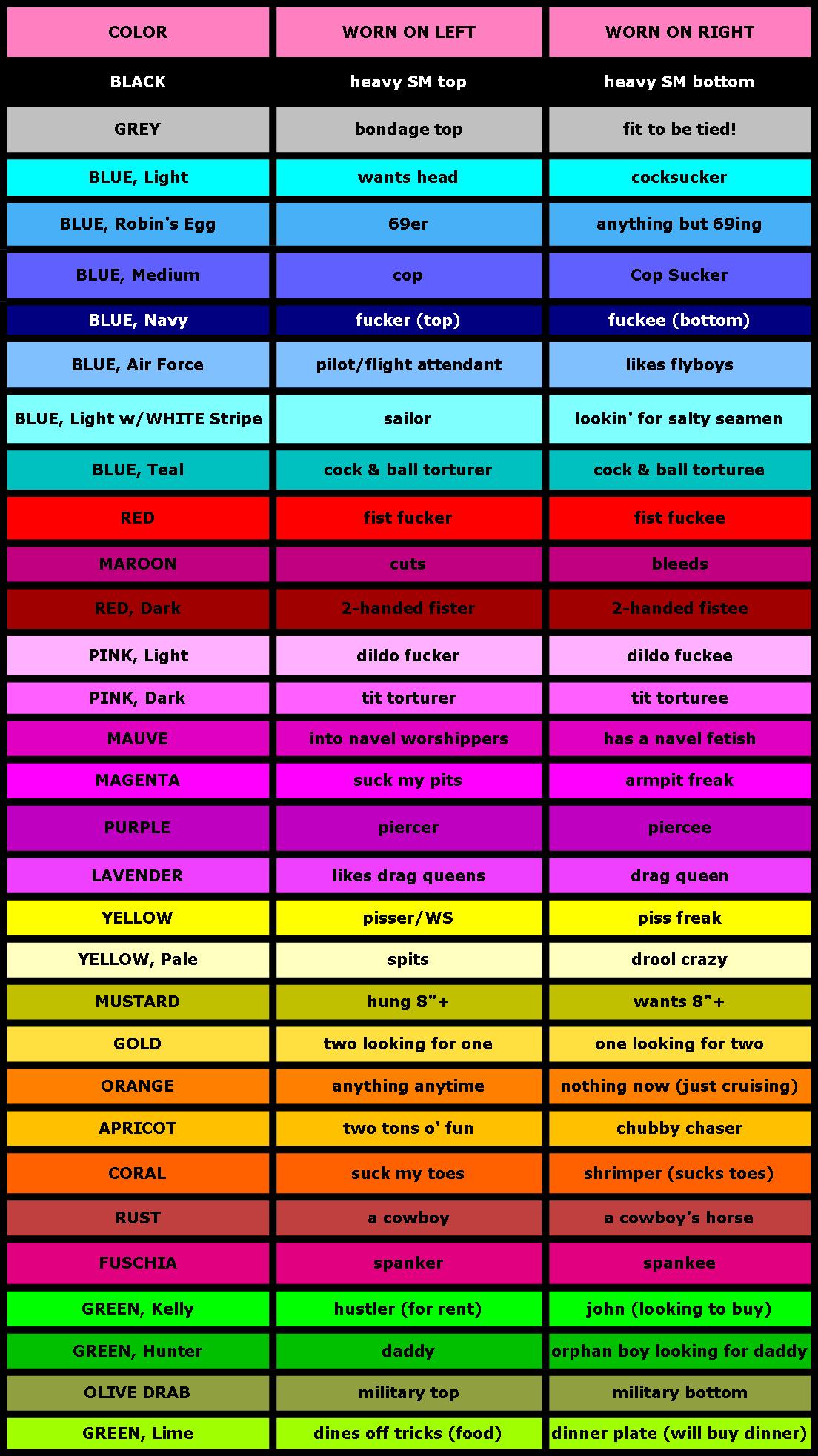
The Hanky Code The Closet Professor

Pin on Hanky Codes
I am friendly Bandana
.png)
The Context Behind The Hanky Code — The Everyday
Web Discover The Origin, The History And The Meaning Of The Hanky Code:
Web The “Hanky Code,” A Secret Queer Cruising Code Of The 1970S, Was A Way To Signal Your Sexual Desires Via Flagging—Hanging A Bandana From The Back Pocket Of.
The Hanky Code Became An Established Way Of.
Web First Popularized In The '70S, The Hanky Code Began As A Sly Way To Showcase Sexual Preferences For A Community Still Largely In The Closet.
Related Post:
