
Brake Mm Chart
Brake Mm Chart - Web when you have to brake hard, if there is a deep whooshing or groaning sound, that’s a sign your pads are getting low. Web you should replace your brake pads when these reach 3 to 4mm. Look up the recommended minimum thickness for the brake pads. Most modern brake pads have little metal tabs set to contact. Web monitoring your brake pad thickness and replacing them when they are worn is a proactive step to ensure your brakes perform optimally. Most manufacturers and mechanics will all agree that you should. Web the ideal thickness of the brake pad is over 6.4 mm which is recommended by most manufacturers. Web to measure the minimum brake disc thickness correctly, you will need to use a gauge. Web find orlando,fl brake repair shops for your repair needs. Web brake rotors are marked with a “minimum thickness” on the casting (usually 2 mm to 3 mm less than the new rotor thickness). Visit a location today to have your car or truck. The lowest value should be. Web checking your front brake pad thickness and disc wear. Web find orlando,fl brake repair shops for your repair needs. Rotors should be replaced before they reach this. Apply the handbrake, then jack up the front of the car and support it securely on axle stands. Web brake rotors are marked with a “minimum thickness” on the casting (usually 2 mm to 3 mm less than the new rotor thickness). Web ideally, your brake pads should be thicker than 6.4 mm (¼ inches) for proper functioning. However, a brake pad's absolute minimum thickness before failing is 2mm. If you go too low, it could. Web by providing a clear reference for measuring the thickness of your brake pads, this chart enhances vehicle safety, extends the lifespan of your brake pads, and. Web monitoring your brake pad thickness and replacing them when they are worn is a proactive step to ensure your brakes perform optimally. However, most car mechanics recommend replacing them when only 20. This is an absolute minimum and indicates pad replacement is required immediately. How fast your brake pads go from 10 to 3mm will depend on how aggressively you drive. Web ideally, your brake pads should be thicker than 6.4 mm (¼ inches) for proper functioning. Apply the handbrake, then jack up the front of the car and support it securely. Visit a location today to have your car or truck. The lowest value should be. Web to measure the minimum brake disc thickness correctly, you will need to use a gauge. Look up the recommended minimum thickness for the brake pads. How fast your brake pads go from 10 to 3mm will depend on how aggressively you drive. Most manufacturers and mechanics will all agree that you should. Web ideally, your brake pads should be thicker than 6.4 mm (¼ inches) for proper functioning. If it’s thinner than this, consider getting a replacement soon. This is an absolute minimum and indicates pad replacement is required immediately. Web checking your front brake pad thickness and disc wear. Most modern brake pads have little metal tabs set to contact. Web compare the measurement to the manufacturer’s specifications or the brake pad thickness chart. Review orlando repair shops that specialize in brake repair Web ideally, your brake pads should be thicker than 6.4 mm (¼ inches) for proper functioning. Web learn how to understand and interpret brake pad wear. A new brake pad will be around 10mm thick. However, a brake pad's absolute minimum thickness before failing is 2mm. Web by providing a clear reference for measuring the thickness of your brake pads, this chart enhances vehicle safety, extends the lifespan of your brake pads, and. Visit a location today to have your car or truck. The lowest value. Web brake rotors are marked with a “minimum thickness” on the casting (usually 2 mm to 3 mm less than the new rotor thickness). The lowest value should be. Measurements should be taken in at least 4 different points. Web the minimum pad thickness is approximately 2 to 3mm (about 1/8″). Web checking your front brake pad thickness and disc. Most modern brake pads have little metal tabs set to contact. Web by providing a clear reference for measuring the thickness of your brake pads, this chart enhances vehicle safety, extends the lifespan of your brake pads, and. Look up the recommended minimum thickness for the brake pads. Web you should replace your brake pads when these reach 3 to. Web find orlando,fl brake repair shops for your repair needs. However, most car mechanics recommend replacing them when only 20 percent of the thickness. Web to measure the minimum brake disc thickness correctly, you will need to use a gauge. Web you should replace your brake pads when these reach 3 to 4mm. Review orlando repair shops that specialize in. How fast your brake pads go from 10 to 3mm will depend on how aggressively you drive. Web when you have to brake hard, if there is a deep whooshing or groaning sound, that’s a sign your pads are getting low. Web learn how to understand and interpret brake pad wear charts, identify different wear patterns, and determine when to. Most modern brake pads have little metal tabs set to contact. Web ideally, your brake pads should be thicker than 6.4 mm (¼ inches) for proper functioning. Web learn how to understand and interpret brake pad wear charts, identify different wear patterns, and determine when to replace your brake pads. However, a brake pad's absolute minimum thickness before failing is 2mm. A new brake pad will be around 10mm thick. How fast your brake pads go from 10 to 3mm will depend on how aggressively you drive. Web ideally, your brake pads should be between six and eight millimeters thick. Web you should replace your brake pads when these reach 3 to 4mm. Web at royal one tires, we offer a free brake check to make sure your car or truck meet the requirements for safety on the road. Web to measure the minimum brake disc thickness correctly, you will need to use a gauge. Web you should replace your brake pads when they reach 3 mm in thickness. Web by providing a clear reference for measuring the thickness of your brake pads, this chart enhances vehicle safety, extends the lifespan of your brake pads, and. Web compare the measurement to the manufacturer’s specifications or the brake pad thickness chart. Web monitoring your brake pad thickness and replacing them when they are worn is a proactive step to ensure your brakes perform optimally. This is an absolute minimum and indicates pad replacement is required immediately. The lowest value should be.
Brake line fitting sizes — Ricks Free Auto Repair Advice Ricks Free
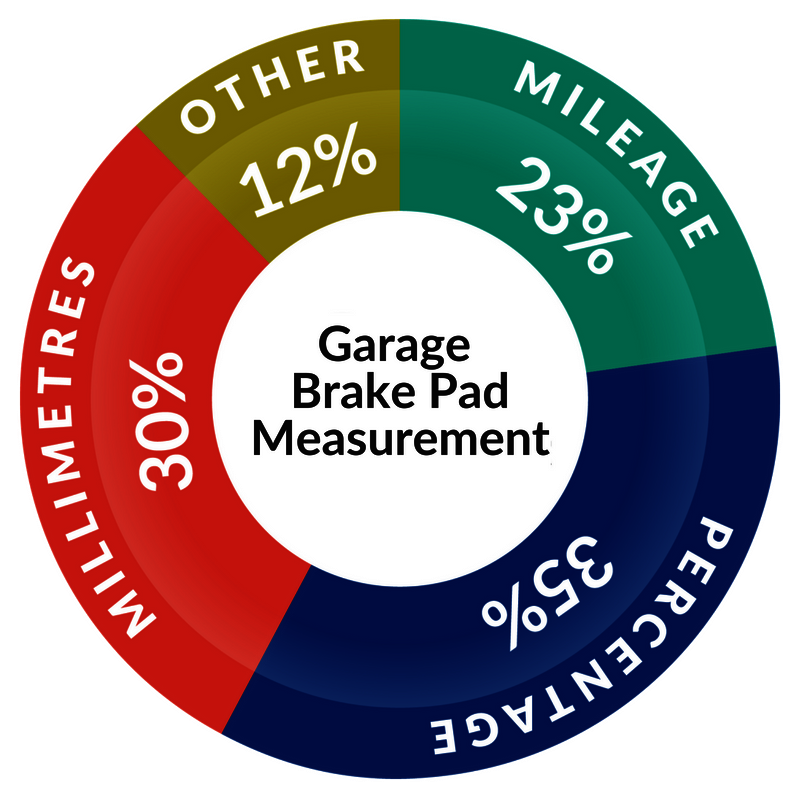
Is Your Mechanic Putting You In Danger Over Confusing Brake
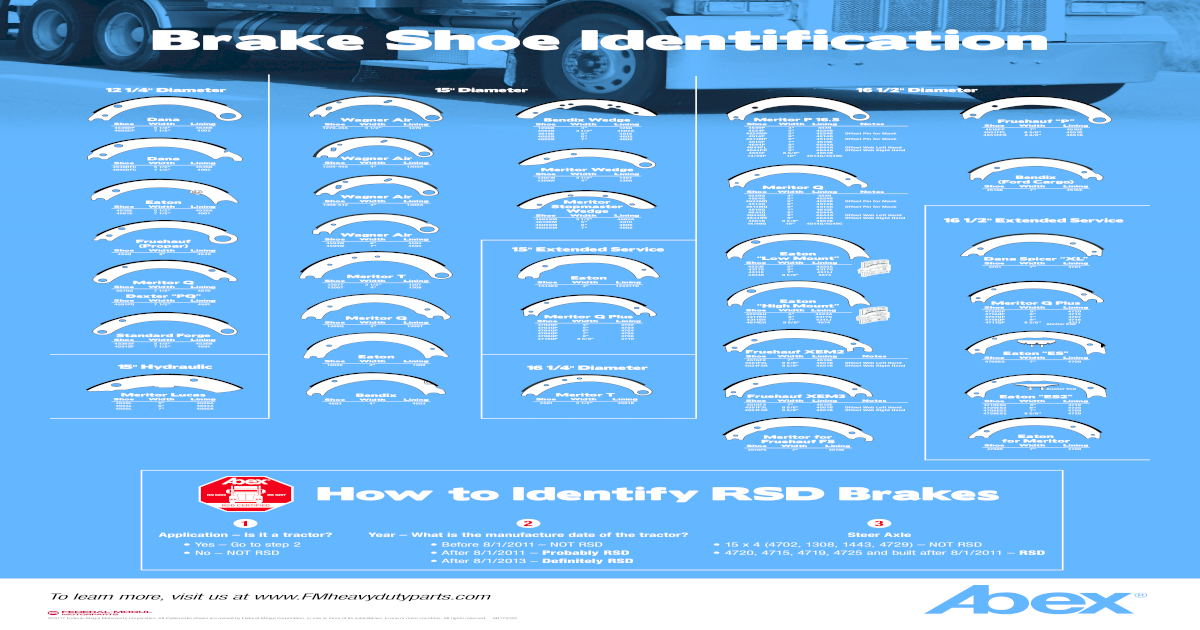
Brake Pad Identification Chart
5713186 Rome Brake Shoe Wall Chart 818 Brake Mechanical Engineering
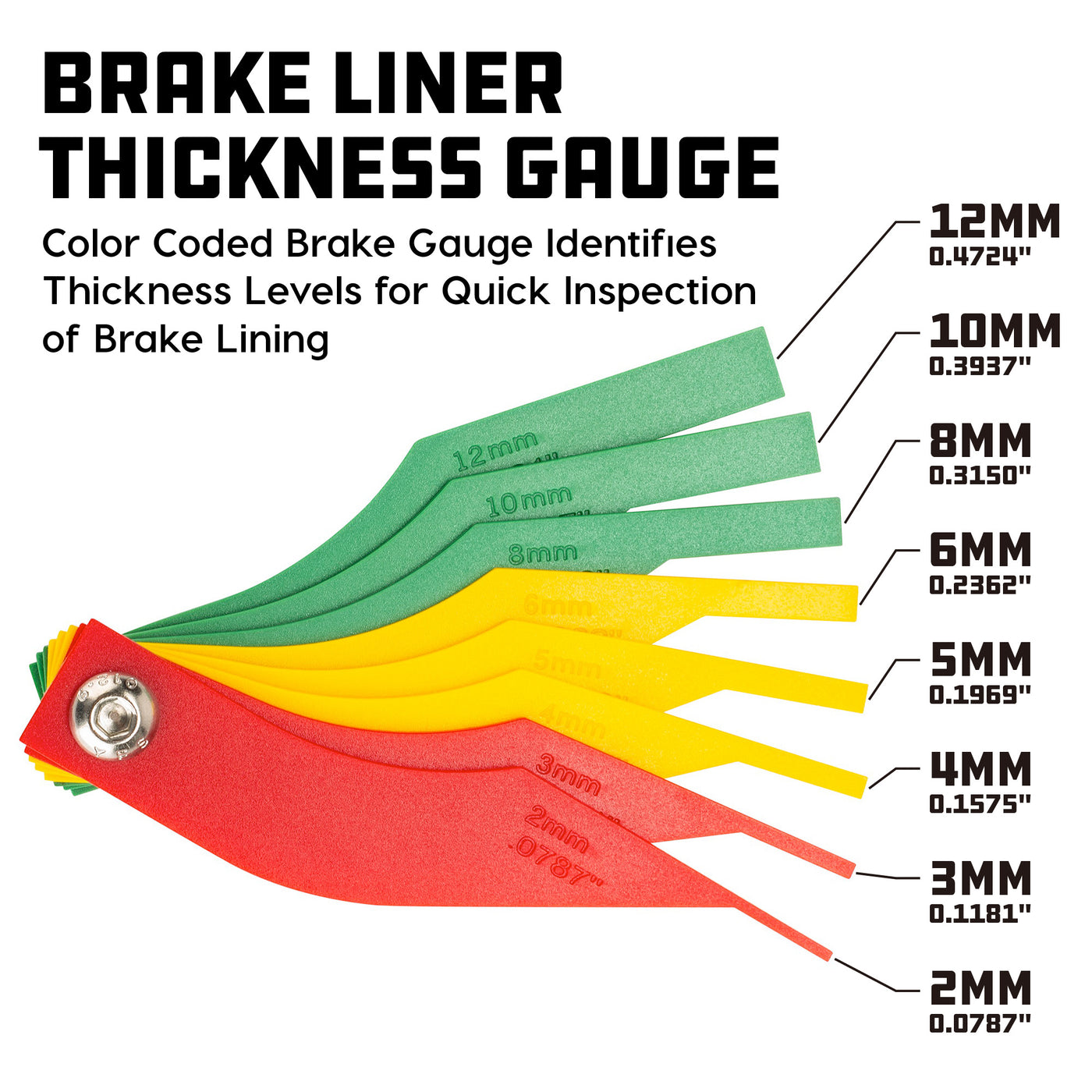
Brake Lining Thickness Gauge
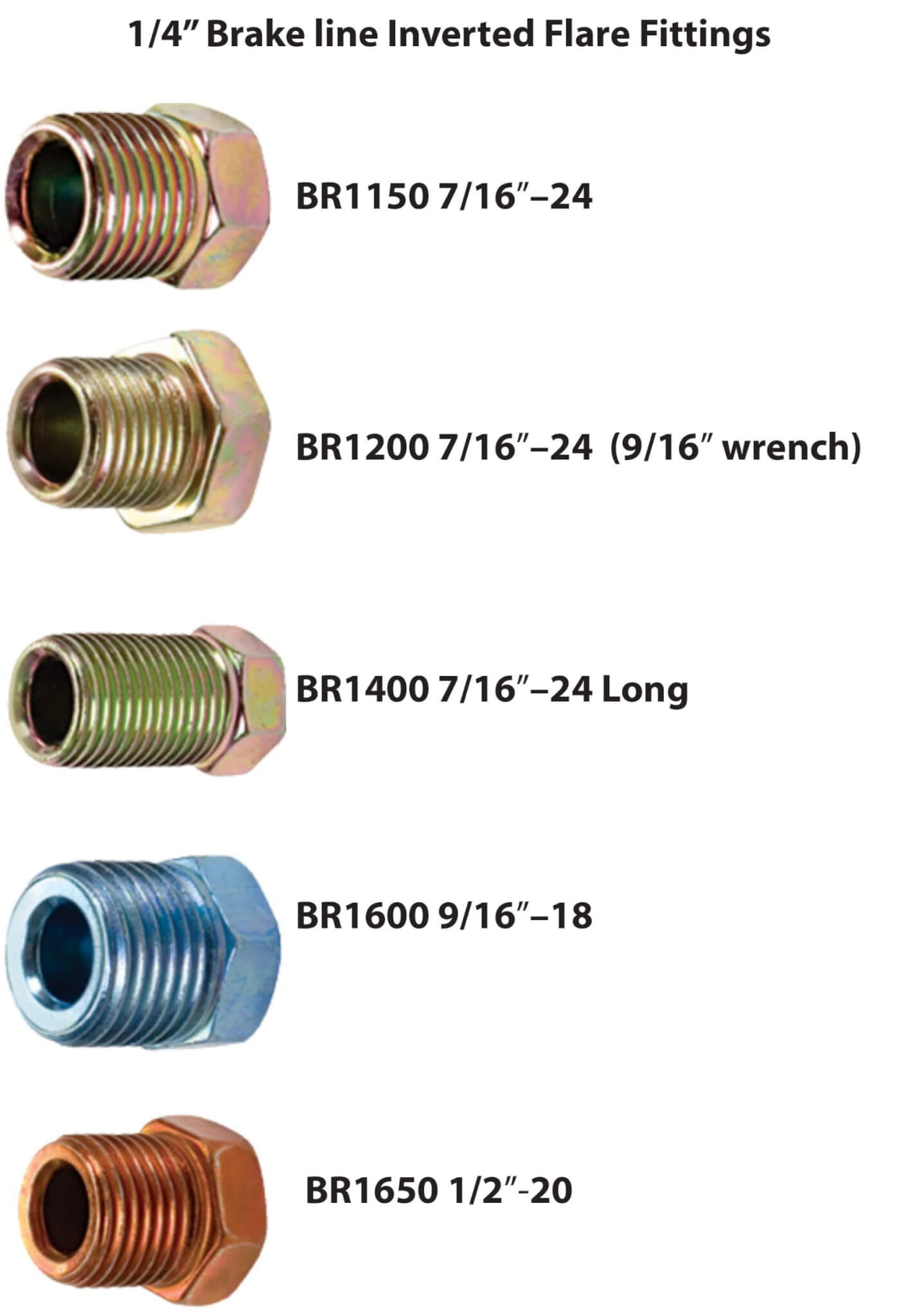
Brake line fitting sizes — Ricks Free Auto Repair Advice Ricks Free

Brake Fitting Size Chart

Repair Guides Brake Specifications Chart Brake Specifications
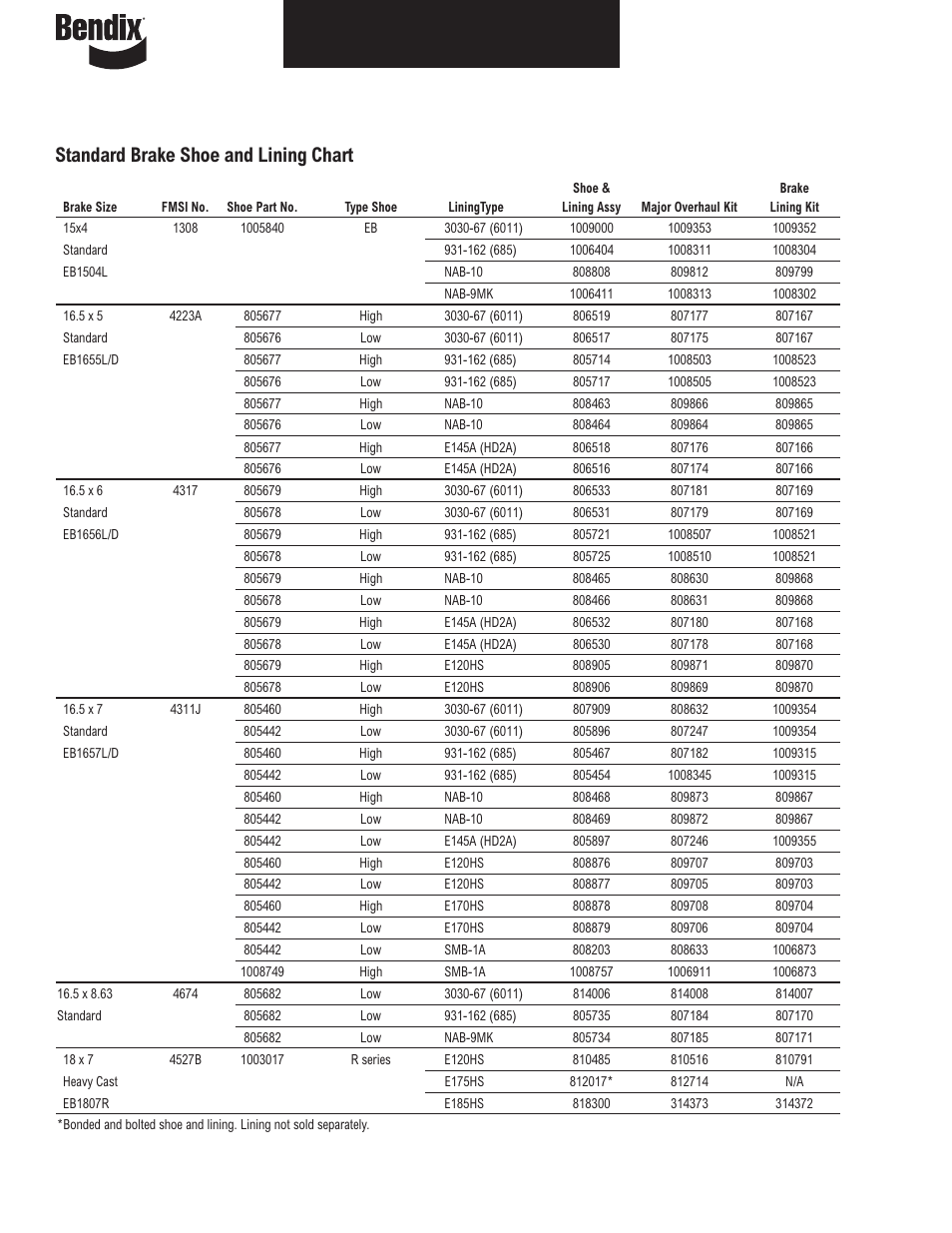
Brake Pad Identification Chart A Visual Reference of Charts Chart Master
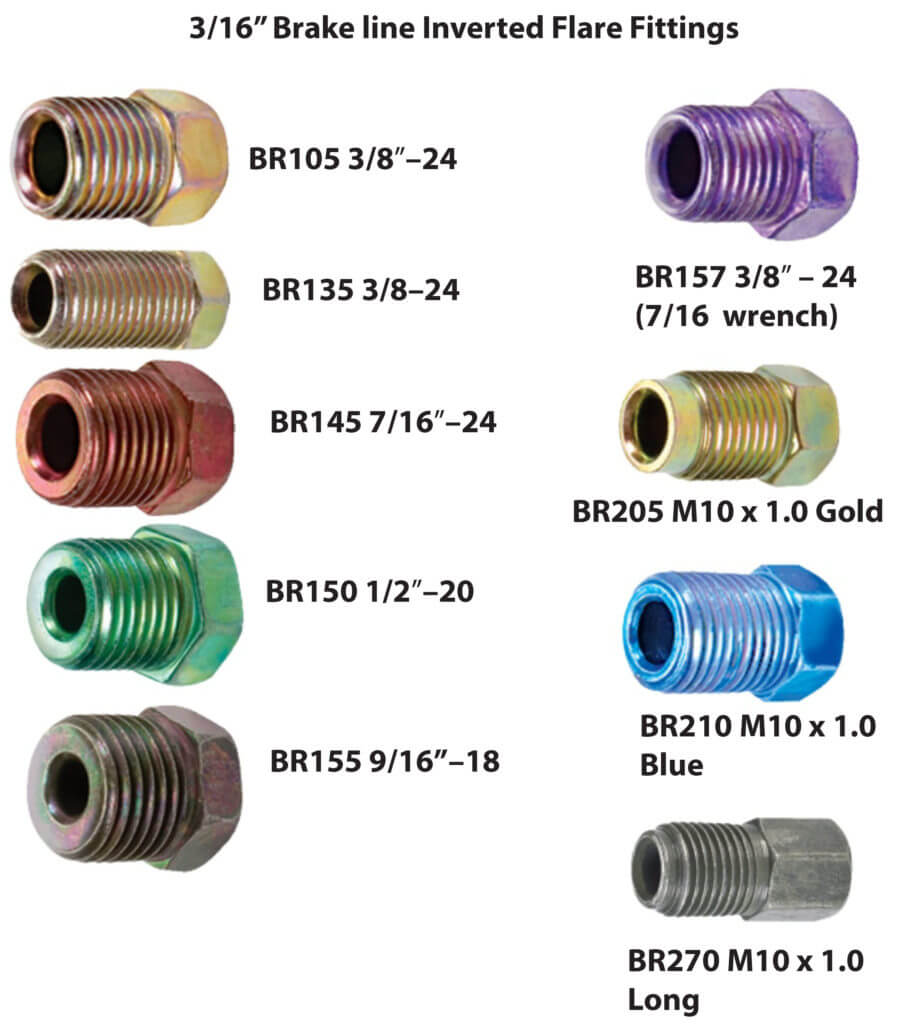
Brake line fitting sizes — Ricks Free Auto Repair Advice Ricks Free
Look Up The Recommended Minimum Thickness For The Brake Pads.
Web Brake Rotors Are Marked With A “Minimum Thickness” On The Casting (Usually 2 Mm To 3 Mm Less Than The New Rotor Thickness).
Web The Ideal Thickness Of The Brake Pad Is Over 6.4 Mm Which Is Recommended By Most Manufacturers.
If It’s Thinner Than This, Consider Getting A Replacement Soon.
Related Post:
