Dental Occlusion Chart
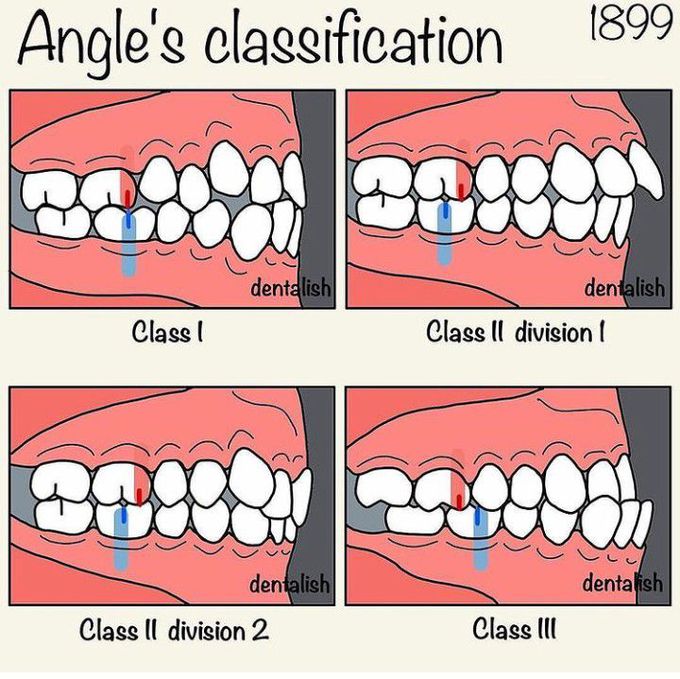
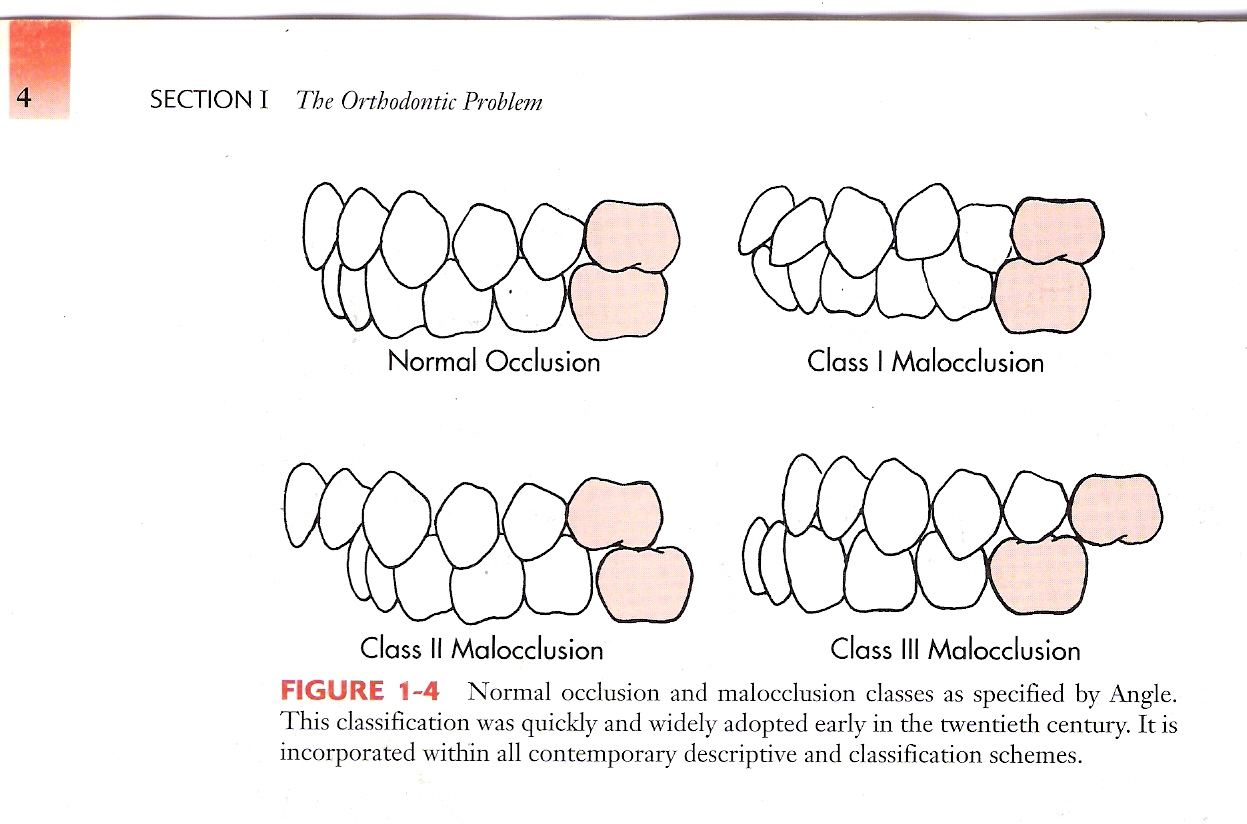
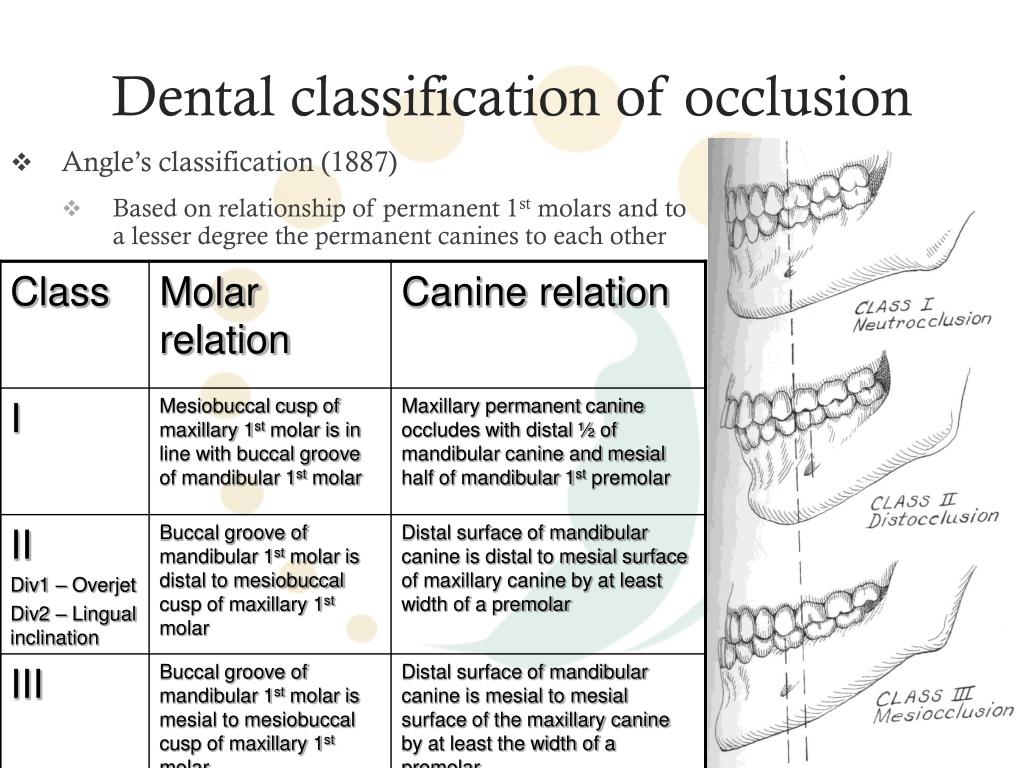
Dental Occlusion Chart - Web how to classify a dental occlusion. Web dental occlusion (angle classifications) videos, flashcards, high yield notes, & practice questions. More technically, it is the relationship between the maxillary (upper) and mandibular (lower) teeth when they approach each other, as occurs during chewing or at rest. This was developed by edward angle and is the first method that was developed to. Crown angulation (tip) crown inclination (torque) no rotations. Web a malocclusion is a misalignment or incorrect relation between the teeth of the two dental arches when they approach each other as the jaws close. The lower incisors rest on the cingulum of the upper incisors. Occlusal concepts, tmj, angle’s classification, curves of spee and wilson, sphere of monson. There are a number of methods that can be used to classify malocclusions and one of these in angle’s classification. Web dental occlusion classes. Class ii division 2 is where the maxillary anterior teeth are retroclined and a deep overbite exists. Web occlusion is defined as the contact relationship of the maxillary and mandibular teeth when the mouth is fully closed. Web dental occlusion (angle classifications) videos, flashcards, high yield notes, & practice questions. She has been in private practice for. Web the normal occlusion, based on the mesaticephalic skull, is as follows: The relationship between the maxillary and mandibular teeth at rest and in function). Here’s a brief overview of dental occlusion classes: Web dental occlusion refers to the way in which the teeth line up with each other as the jaw goes from open to closed. Occlusion is important because it can influence a person’s facial profile and also the health of the oral cavity. The mandibular canine teeth fit, without touching, between the maxillary lateral incisors and the maxillary canines. Class 1 is when your upper teeth overlap with your lower teeth, but in a manageable position. There are a number of methods that can be used to classify malocclusions and one of these in angle’s classification. The florida dental convention (fdc) is the official meeting of the florida dental association (fda). Division i is where there are protruded anterior. However, a complete dentist looks at occlusion in a slightly different manner. Examining the transverse dimension allows us to evaluate the intermolar and intercanine widths and determine which arch is the offending unit. The mandibular canine teeth fit, without touching, between the maxillary lateral incisors and the maxillary canines. Occlusion is important because it can influence a person’s facial profile. Web in order to know if the dental treatment needs to be preventive or restorative, it is crucial to understand the basics of dental anatomy and physiology, especially dental relationships and occlusion. Web transform your dental practice with our dental continuing education courses. Web dental occlusion (angle classifications) videos, flashcards, high yield notes, & practice questions. Class ii division 2. The most widely known occlusal classification system is angle's classification. An intraoral radiograph made with the film, phosphorous plate, emulsion or digital sensor being held between the occluded teeth. Degree in biology from suny stony brook in new york & completed her dental degree from new york university college of dentistry in 1997. Web occlusion is defined as the contact. Look for the excel icon in the charts report pages. The most widely known occlusal classification system is angle's classification. This is the most common out of the three dental occlusion classes. Web in charts, some indicators about incidence are called cases or diagnoses. Learn and reinforce your understanding of dental occlusion (angle classifications). Web class i (orthognathic) is considered normal occlusion. Web in charts, some indicators about incidence are called cases or diagnoses. Crown angulation (tip) crown inclination (torque) no rotations. Web the best place to truly understand the dawson classification system of occlusion is through the dawson core curriculum. Elevate your dental skills & patient care. The mandibular canine teeth fit, without touching, between the maxillary lateral incisors and the maxillary canines. The most widely known occlusal classification system is angle's classification. The lower incisors rest on the cingulum of the upper incisors. Occlusion is important because it can influence a person’s facial profile and also the health of the oral cavity. Web dental occlusion (angle. Most charts reports can be exported to excel. She has been in private practice for. Web occlusion, in a dental context, means simply the contact between teeth. Web the ideal relationship of the teeth can be defined in terms of static (or morphological) and functional occlusion. Several classifications of static malocclusion and misalignment have been used worldwide. This was developed by edward angle and is the first method that was developed to. Join us for a course! This is the most common out of the three dental occlusion classes. Web a malocclusion is a misalignment or incorrect relation between the teeth of the two dental arches when they approach each other as the jaws close. Class ii. Occlusion is important because it can influence a person’s facial profile and also the health of the oral cavity. The most widely known occlusal classification system is angle's classification. Web a malocclusion is a misalignment or incorrect relation between the teeth of the two dental arches when they approach each other as the jaws close. Web andrews' six keys (1972). She has had two years of surgical training from bronx lebanon hospital in bronx, new york and has gone on dental missions to kingston, jamaica. Occlusal concepts, tmj, angle’s classification, curves of spee and wilson, sphere of monson. Edward angle ( box 1.1) felt the key to normal occlusion was the relative anteroposterior position of the first permanent molars, which he used to define the dental arch relationship. The lower incisors rest on the cingulum of the upper incisors. Web a malocclusion is a misalignment or incorrect relation between the teeth of the two dental arches when they approach each other as the jaws close. The most widely known occlusal classification system is angle's classification. An intraoral radiograph made with the film, phosphorous plate, emulsion or digital sensor being held between the occluded teeth. Division i is where there are protruded anterior teeth and division ii is where there one or more retruded maxillary anterior teeth. Web occlusion, in a dental context, means simply the contact between teeth. The florida dental convention (fdc) is the official meeting of the florida dental association (fda). Web in charts, some indicators about incidence are called cases or diagnoses. She has been in private practice for. Web dental occlusion refers to the way in which the teeth line up with each other as the jaw goes from open to closed. Posterior crossbites can be unilateral or bilateral. Class ii (retrognathic) and iii (prognathic) are considered malocclusion. Web class i (orthognathic) is considered normal occlusion.
12 Diagnosis and Management of Dental Caries Pocket Dentistry

class i ii iii occlusion Aleta Radford
Dental Occlusion Classification Chart My XXX Hot Girl
PPT ANATOMY AND FRACTURES OF THE MANDIBLE PowerPoint Presentation

Occlusion Wall Chart Dental Flip Charts by Stephen F. Gordon

Dental Occlusion Geeky Medics
Angle’s Classification of Occlusion MEDizzy
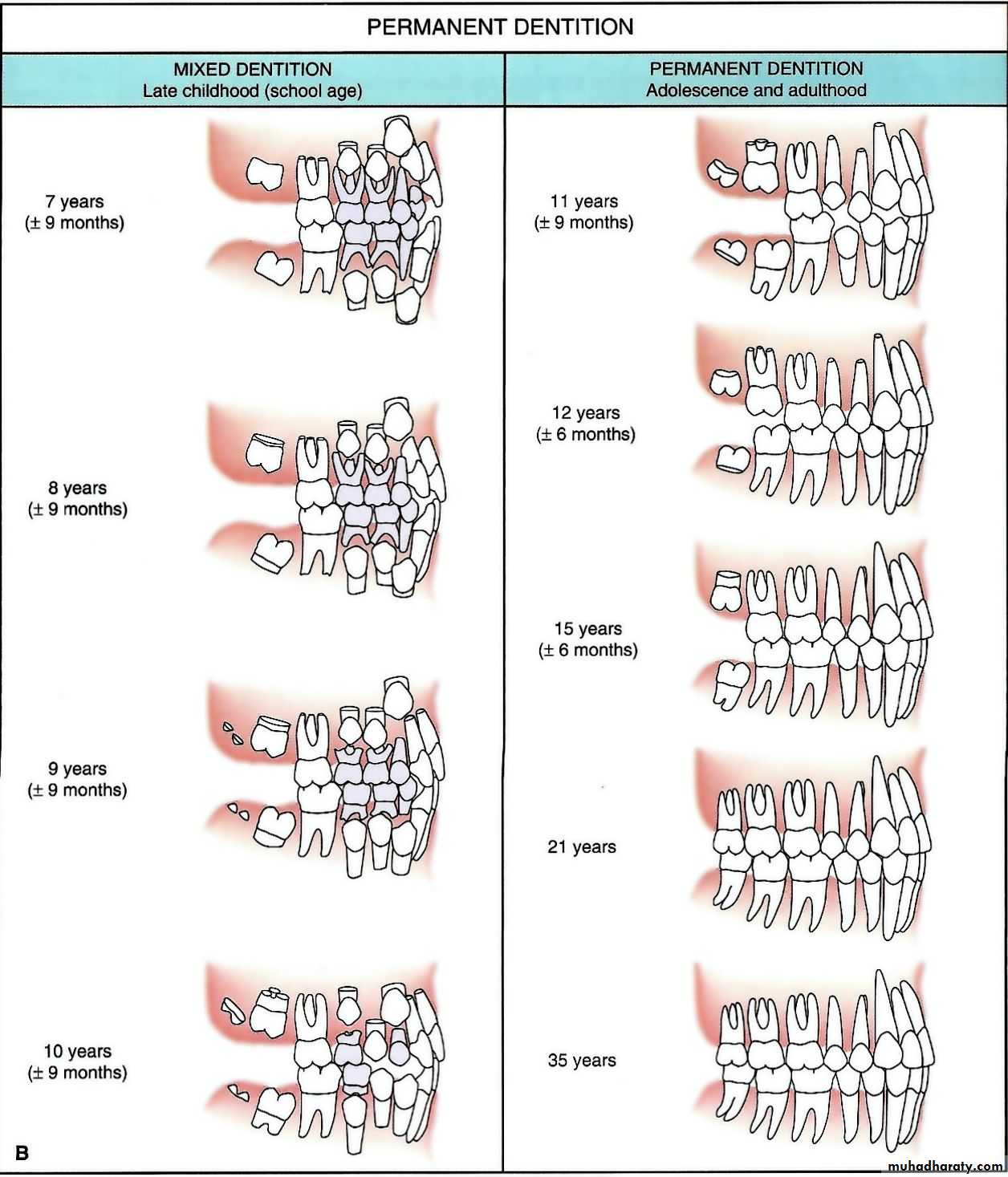
Occlusion Classification Chart

Emergency Care McReynolds Orthodontics Keller TX
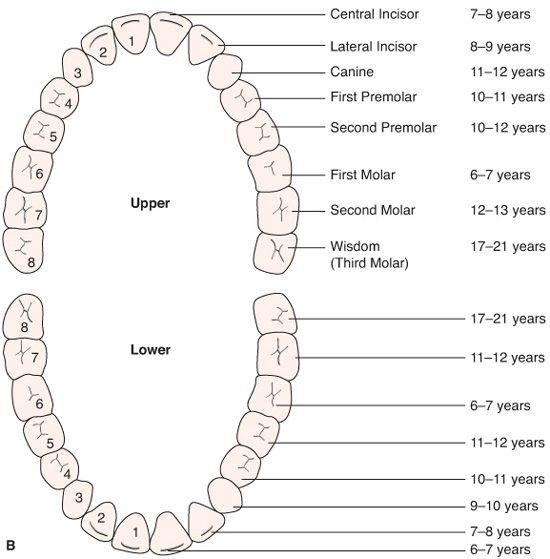
. Dental Occlusion and Its Management Obgyn Key
Join Us For A Course!
This Is The Most Common Out Of The Three Dental Occlusion Classes.
Maxillary And Mandibular Premolars Interdigitate.
The Mandibular Canine Teeth Fit, Without Touching, Between The Maxillary Lateral Incisors And The Maxillary Canines.
Related Post: