
Disc Brake Rotor Thickness Chart
Disc Brake Rotor Thickness Chart - Web to measure the minimum brake rotor thickness correctly, you will need to use a gauge. Web how do you measure the minimum brake disc thickness? Measurements vary from 1.7mm to 1.5mm. The lowest value should be used as reference for the entire disc. However, manufacturers provide minimum thicknesses for their rotors. Learn measurement and replacement steps. Web disc brake rotor minimum thickness (also known as scrap thickness) is the minimum safe working thickness of a rotor at which it must be replaced. As the disc rotates through the caliper the variation in disc thickness results in a variation in braking pressure applied by the disc pads to the rotor. Nominal size thickness minus 1.6 mm. Web disc brake rotors usually last so long that many people treat them as 'fit and forget' components. Measurements should be taken in at least 4 different points. Learn measurement and replacement steps. Road and gravel specific rotors. The lowest value should be used as reference for the entire rotor. 6 bolt or centerlock | available in 140 or. See below for a list of rotor models and sizes for their intended use: However, manufacturers provide minimum thicknesses for their rotors. The lowest value should be used as reference for the entire disc. 6 bolt or centerlock | available in 140 or 160mm. To measure the minimum brake disc thickness correctly, you will need to use a gauge. The lowest value should be used as reference for the entire disc. Web rotors have a minimum thickness that is typically written on the side of the rotor. Web to measure your rotor’s minimum operational thickness, place a micrometer at the thinnest point on the rotor’s surface where it meets the brake pads. This section usually contains a chart indicating. Web understanding disc thickness variation (dtv) in brake rotors: Web disc brake rotor minimum thickness (also known as scrap thickness) is the minimum safe working thickness of a rotor at which it must be replaced. Web ensure your vehicle's safety by maintaining proper brake rotor thickness. Measurements should be taken in at least 4 different points. ** not serviceable, replace. However, manufacturers provide minimum thicknesses for their rotors. • developed and manufactured under iso/ts 16949 standards Nominal size thickness minus 1.6 mm. Web measure rotor thickness with a micrometer or brake rotor gauge, checking against the manufacturer’s guidelines. *** 0.807” on 18” premium brakes. Web rotors have a minimum thickness that is typically written on the side of the rotor. 6 bolt or centerlock | available in 140 or. The lowest value should be used as reference for the entire disc. Your rotor may exhibit signs of disc thickness variation (dtv). Refer to relevant service information for unknown vehicles. • developed and manufactured under iso/ts 16949 standards Causes, symptoms, and solutions to brake pedal pulsation. If your rotor has worn past this thickness or needs to be cut, you need new rotors. ** not serviceable, replace at each brake job if grooved or undersized. Web understanding disc thickness variation (dtv) in brake rotors: 6 bolt or centerlock | available in 140 or. Web to measure the minimum brake rotor thickness correctly, you will need to use a gauge. Web disc brake rotors explained | how to find the right rotor for your bike | bikeradar. Web how do you measure the minimum brake disc thickness? Web hey everyone, i'm swapping my summer tires. The ideal thickness for rotors depends on the type of tires you have and how often they need to be replaced, but generally, they should be between 1/32nd and 1/8th inch thick. Web welcome to our comprehensive guide detailing everything you need to know about brake rotor thickness. Check for warping or grooving in rotors. Web the minimum thickness for. Your rotor may exhibit signs of disc thickness variation (dtv). This variation in braking effort is translated to vibration that. 6 bolt or centerlock | available in 140 or. What tools you’ll need to check the. Resurface or replace depending on severity. This variation in braking effort is translated to vibration that. Web measure rotor disc thickness at a minimum of six locations, but preferably at eight equidistant points along the rotor — at 12 o'clock, 45 degrees, 90 degrees, 135 degrees, 180 degrees, 225 degrees, 270 degrees. Web disc brake rotor minimum thickness (also known as scrap thickness) is the minimum. If your rotor has worn past this thickness or needs to be cut, you need new rotors. Web measure rotor disc thickness at a minimum of six locations, but preferably at eight equidistant points along the rotor — at 12 o'clock, 45 degrees, 90 degrees, 135 degrees, 180 degrees, 225 degrees, 270 degrees. Resurface or replace depending on severity. As. Road and gravel specific rotors. The ideal thickness for rotors depends on the type of tires you have and how often they need to be replaced, but generally, they should be between 1/32nd and 1/8th inch thick. Web welcome to our comprehensive guide detailing everything you need to know about brake rotor thickness. Web some brake tracks have specific designs and cutouts to assist with cooling and reducing sound. Web the minimum thickness for general inspection (motor vehicle inspection) is defined as follows: Web nominal thickness of rotor disc. However, manufacturers provide minimum thicknesses for their rotors. Learn measurement and replacement steps. Nominal size thickness minus 1.6 mm. Measurements should be taken in at least 4 different points. Web to measure the minimum brake rotor thickness correctly, you will need to use a gauge. Web measure rotor disc thickness at a minimum of six locations, but preferably at eight equidistant points along the rotor — at 12 o'clock, 45 degrees, 90 degrees, 135 degrees, 180 degrees, 225 degrees, 270 degrees. As shown here in figure 1 the base brake article contains a section titled technical specifications. Some of the most common signs include: Web rotors have a minimum thickness that is typically written on the side of the rotor. Web disc brake rotor minimum thickness (also known as scrap thickness) is the minimum safe working thickness of a rotor at which it must be replaced.
Minimum Thickness Brake Rotors Chart

Brake Rotor Cross Reference Chart

Repair Guides Front Disc Brakes Brake Disc (rotor)
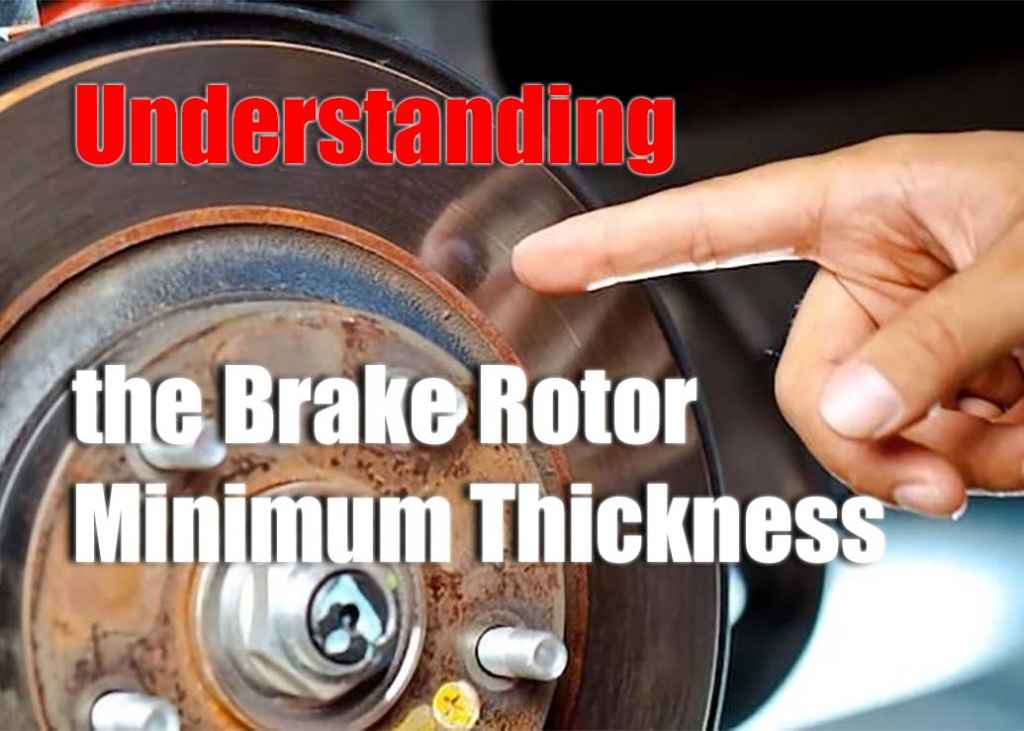
Understanding the Brake Rotor Minimum Thickness Chart

minimum rotor thickness chart ford Focus

Minimum Rotor Thickness Honda Odyssey / Repair Guides Measure the

Brake Rotor Thickness Specifications Chart

Brake Rotor Thickness Specifications Chart

Repair Guides Disc Brakes Brake Disc (rotor)
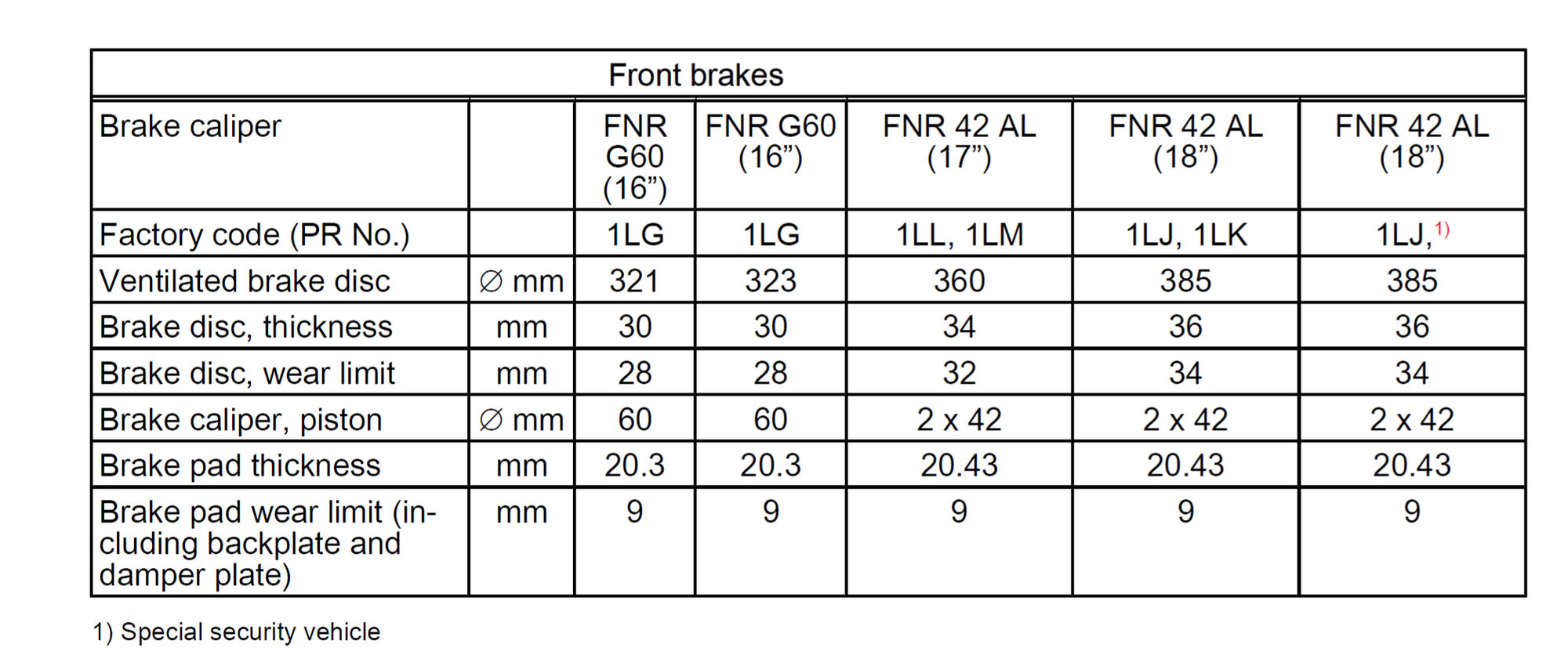
Minimum Rotor Thickness Chart Nissan
If Your Rotor Has Worn Past This Thickness Or Needs To Be Cut, You Need New Rotors.
Web Disc Brake Rotors Usually Last So Long That Many People Treat Them As 'Fit And Forget' Components.
This Variation In Braking Effort Is Translated To Vibration That.
Measurements Should Be Taken In At Least 4 Different Points.
Related Post: