
Equine Deworming Schedule Chart
Equine Deworming Schedule Chart - Web to determine the best horse deworming schedule you need to know which parasites your horse needs to be treated for and whether it’s a high, medium, or low shedder. Learn how an effective horse deworming schedule can make the biggest difference for horse health. Generally, foals should receive their first deworming treatment between 2 and 3 months of age. Low shedders (<200 epg (eggs per gram of manure) fecal egg count performed prior to deworming in spring (ideally spring and fall) spring (march). Web the best way to determine the deworming schedule for your horse is to involve your veterinarian and to perform fecal egg counts (fec) to determine: 20% of horses carry 80% of parasites. Today, the most clinically relevant species include small strongyles, roundworms, and tapeworms. For a better understanding of worms in horses, review the descriptions and pictures below. Veterinarians now recommend a personalized deworming schedule based on the individual horse’s needs. This is to determine which deworming schedule suits your horse. The best way to determine the deworming schedule for your horse is to involve your veterinarian. Web both annual deworming packs were developed by the valley vet supply technical service veterinarian team, with guidance from the aaep parasite control guidelines. Web recommended horse deworming rotation schedules for foals and adult high, moderate and low shedders per the fecal worming tests. Web it is important to follow a horse worming chart and work with a veterinarian to devise an appropriate deworming schedule. Web overuse of equine deworming products has led to the development of parasite resistance. Our guide has three categories for general horse worming schedules: Web the american association of equine practitioners (aaep) recommendations for deworming horses have changed substantially over the years, with the current emphasis on strategic targeting. We recommend using the results of an early spring fecal egg count to determine the best deworming schedule for each individual horse. Web horse dewormer faqs, answered by an equine veterinarian. Today, the most clinically relevant species include small strongyles, roundworms, and tapeworms. Web recommended horse deworming rotation schedules for foals and adult high, moderate and low shedders per the fecal worming tests. Web adult horse dewormer schedule. Web the american association of equine practitioners (aaep) recommendations for deworming horses have changed substantially over the years, with the current emphasis on strategic targeting. Over 150 species of internal parasites can affect the horse.. 20% of horses carry 80% of parasites. Whether you have one horse or several, you’ll never miss a worming again with this handy horse worming chart. Web recommended horse deworming rotation schedules for foals and adult high, moderate and low shedders per the fecal worming tests. 1) dewormer efficacy in your equine operation, 2) monitor for presence of ascarids in. Today, the most clinically relevant species include small strongyles, roundworms, and tapeworms. Over 150 species of internal parasites can affect the horse. Some horses will only need to be treated twice a year. Veterinarians recommend performing a fecal egg count before deworming in spring and fall. Web learn the best approach for when to use equine deworming and why the. 20% of horses carry 80% of parasites. Today, the most clinically relevant species include small strongyles, roundworms, and tapeworms. It is easy to read with ample space to mark down important dates and. Web the best way to determine the deworming schedule for your horse is to involve your veterinarian and to perform fecal egg counts (fec) to determine the. The best way to determine the deworming schedule for your horse is to involve your veterinarian. Whether you have one horse or several, you’ll never miss a worming again with this handy horse worming chart. Web learn how to best schedule your horse’s deworming, covering equine parasite resistance and recommendations on how and when to deworm. Web it is important. Web equine deworming guide. Web for example, it details different deworming schedules for pregnant mares, foals, and standard adult horses. Web equine recommended deworming schedule. The best way to determine the deworming schedule for your horse is to involve your veterinarian. These recommendations are all suggested guidelines for parasite management in horses. Low shedders, moderate shedders, and high shedders. Web overuse of equine deworming products has led to the development of parasite resistance. Web equine recommended deworming schedule. Web the best way to determine the deworming schedule for your horse is to involve your veterinarian and to perform fecal egg counts to determine: Web it is important to follow a horse worming. Web overuse of equine deworming products has led to the development of parasite resistance. 20% of horses carry 80% of parasites. Low shedders, moderate shedders, and high shedders. Our guide has three categories for general horse worming schedules: We recommend using the results of an early spring fecal egg count to determine the best deworming schedule for each individual horse. Consult a veterinarian before planning your deworming schedule to make sure horses receive the most effective treatment and dosage. Today, the most clinically relevant species include small strongyles, roundworms, and tapeworms. Web the best way to know your horse’s need for deworming is to provide us with a fecal sample to test. The best way to determine the deworming schedule. Web for example, it details different deworming schedules for pregnant mares, foals, and standard adult horses. These recommendations are all suggested guidelines for parasite management in horses. Over 150 species of internal parasites can affect the horse. Web recommended horse deworming rotation schedules for foals and adult high, moderate and low shedders per the fecal worming tests. Our guide has. Web it is important to follow a horse worming chart and work with a veterinarian to devise an appropriate deworming schedule. Web types of worms seen in horses. Consult a veterinarian before planning your deworming schedule to make sure horses receive the most effective treatment and dosage. These recommendations are all suggested guidelines for parasite management in horses. Web the american association of equine practitioners (aaep) recommendations for deworming horses have changed substantially over the years, with the current emphasis on strategic targeting. Veterinarians now recommend a personalized deworming schedule based on the individual horse’s needs. Web learn how to best schedule your horse’s deworming, covering equine parasite resistance and recommendations on how and when to deworm. Learn how an effective horse deworming schedule can make the biggest difference for horse health. Web learn the best approach for when to use equine deworming and why the old deworming rotation chart and schedule has become an obsolete tool. For a better understanding of worms in horses, review the descriptions and pictures below. Today, the most clinically relevant species include small strongyles, roundworms, and tapeworms. Veterinarians recommend performing a fecal egg count before deworming in spring and fall. Web overuse of equine deworming products has led to the development of parasite resistance. The best way to determine the deworming schedule for your horse is to involve your veterinarian. It is easy to read with ample space to mark down important dates and. Web click here to download a chart to help you keep track of your horse’s deworming schedule.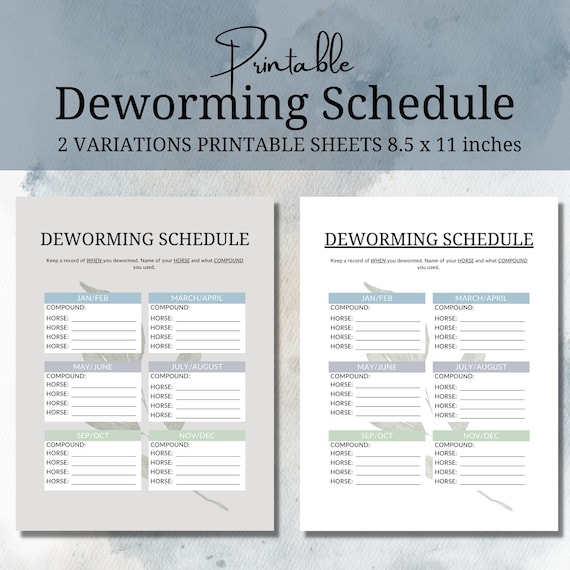
Horse Deworming Schedule Printable Horse Deworming Schedule Etsy

Horse Deworming Schedule Chart A Visual Reference of Charts Chart Master
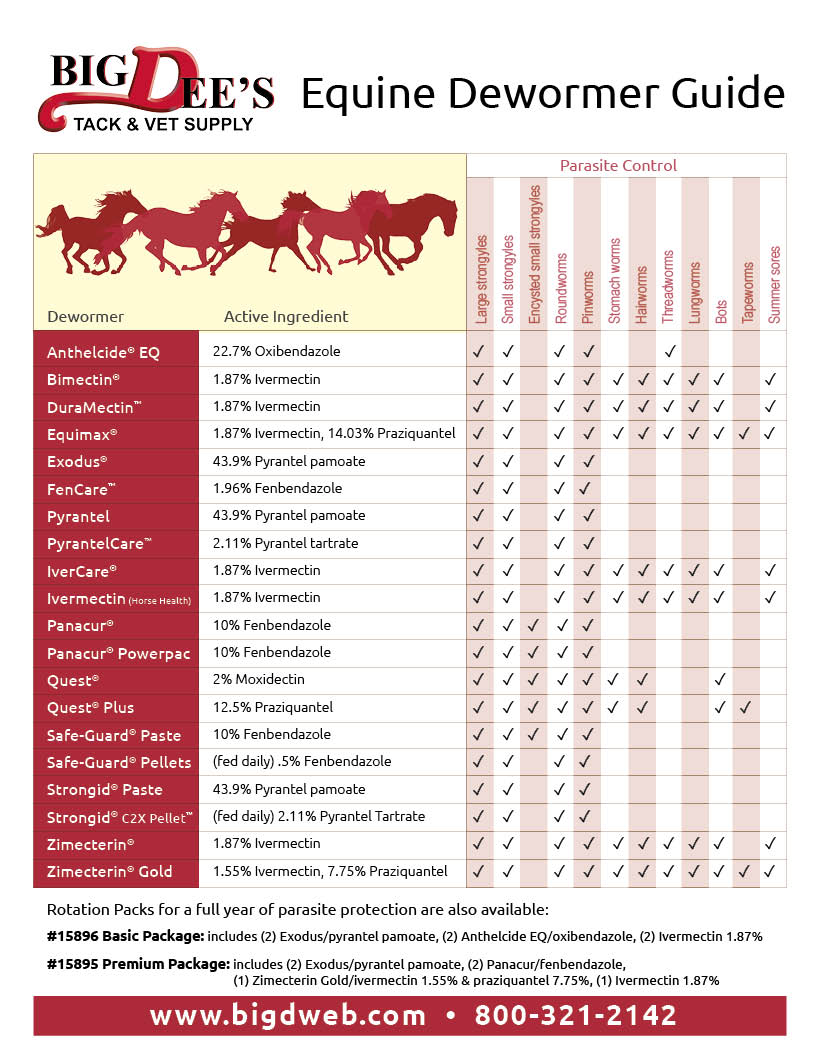
Equine Dewormer Comparison Chart Big Dee's Tack & Vet Supplies

Horse Dewormer Schedule Importance, Benefits, And Guide Denver
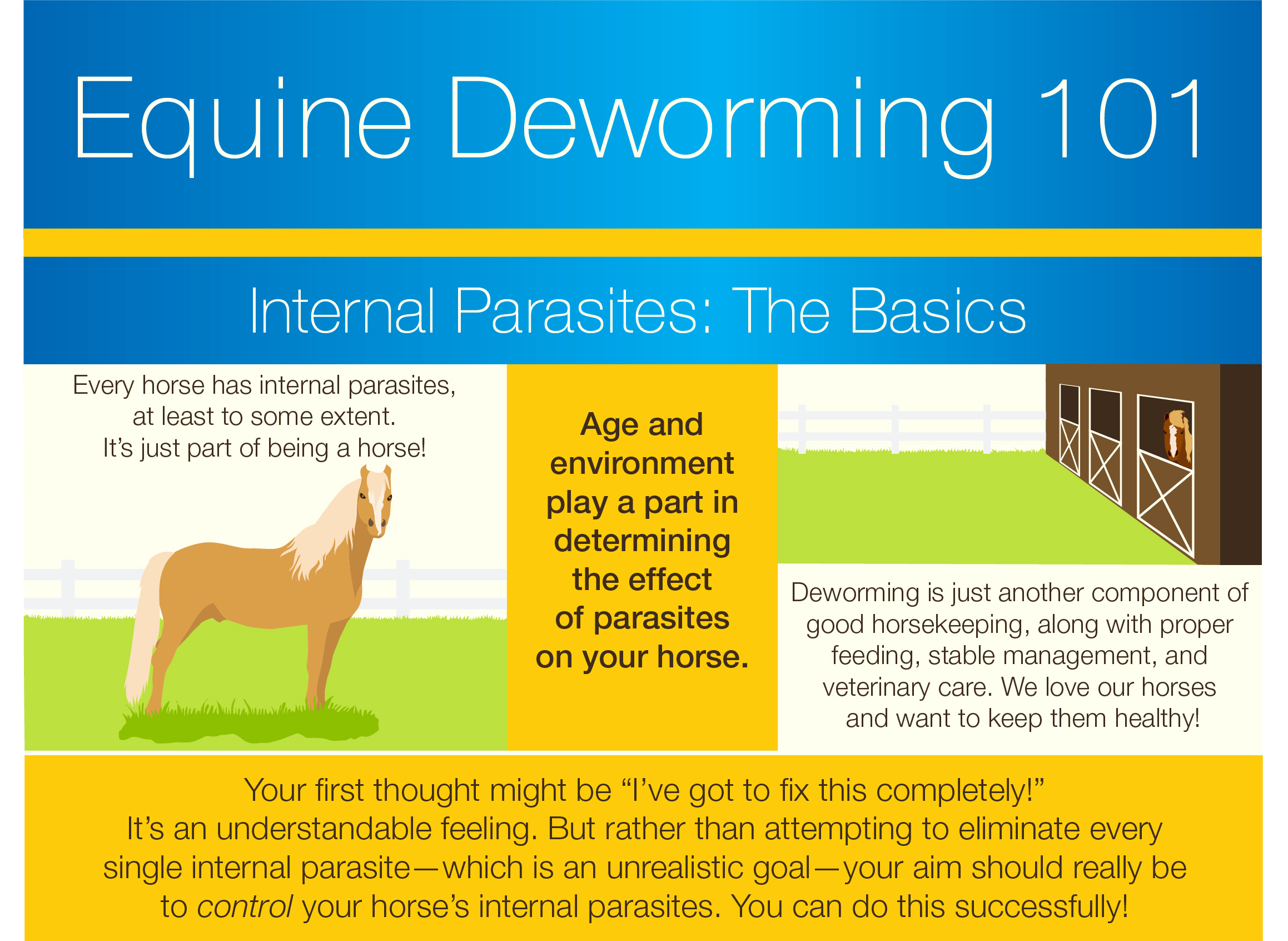
Do I Need a Deworming Schedule for My Horse? Farnam
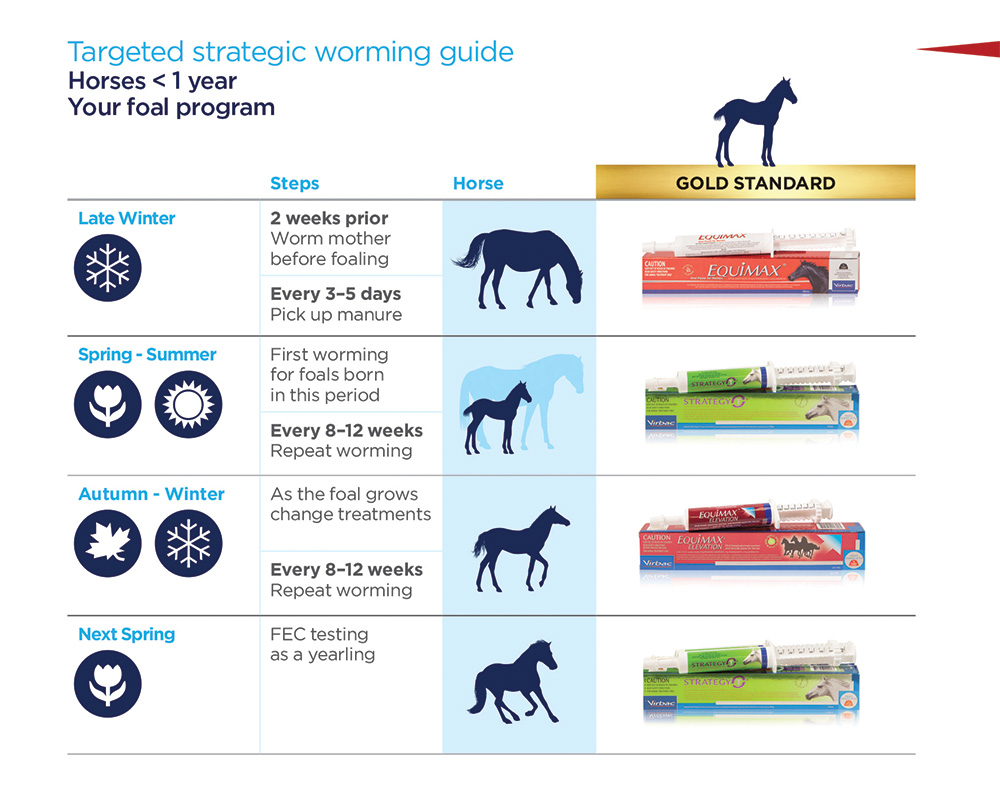
Printable Horse Worming Schedule, Get your freely printable worming
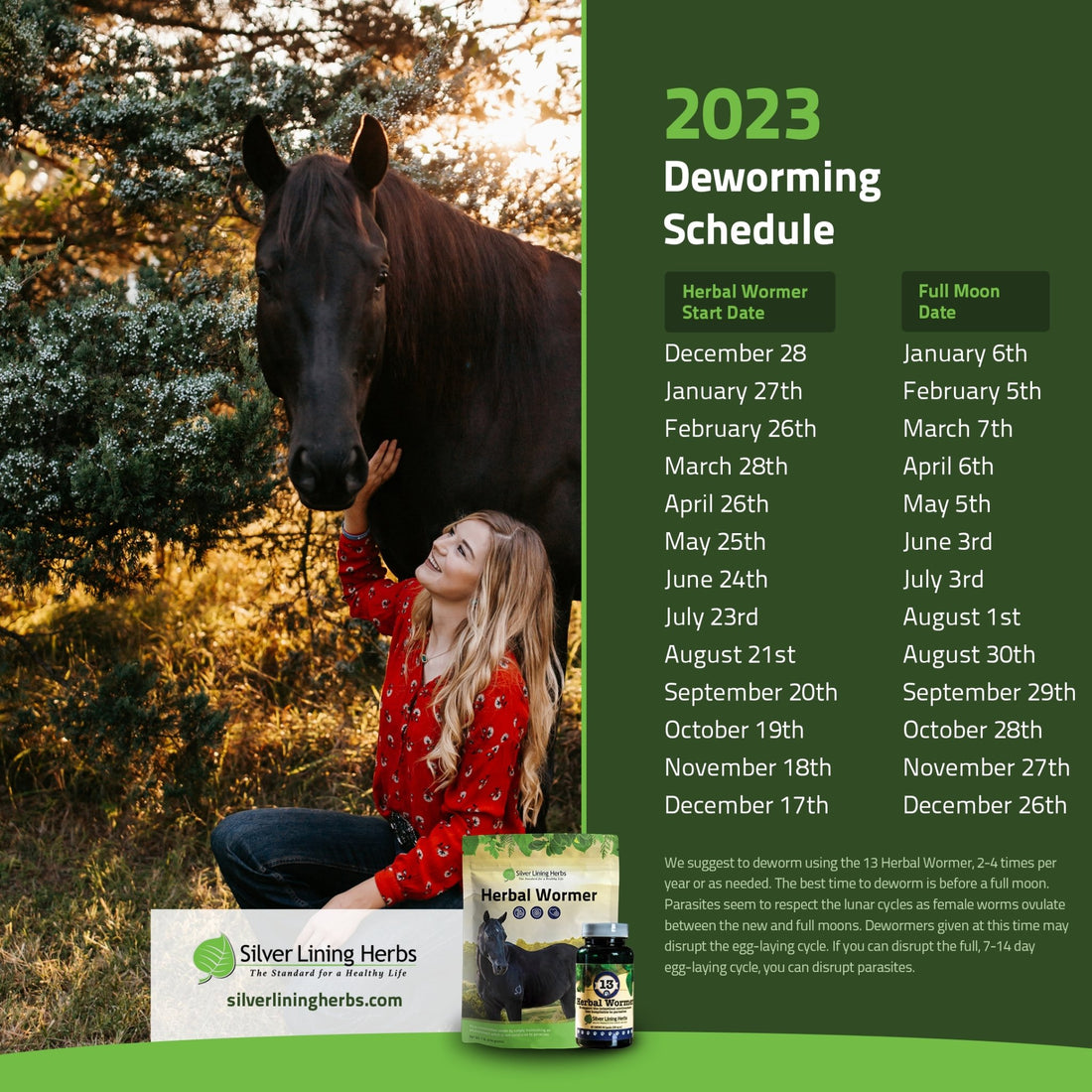
Deworming Schedule for Horses (2023) Silver Lining Herbs

Horse Dewormer Schedule Importance, Benefits, And Guide Denver
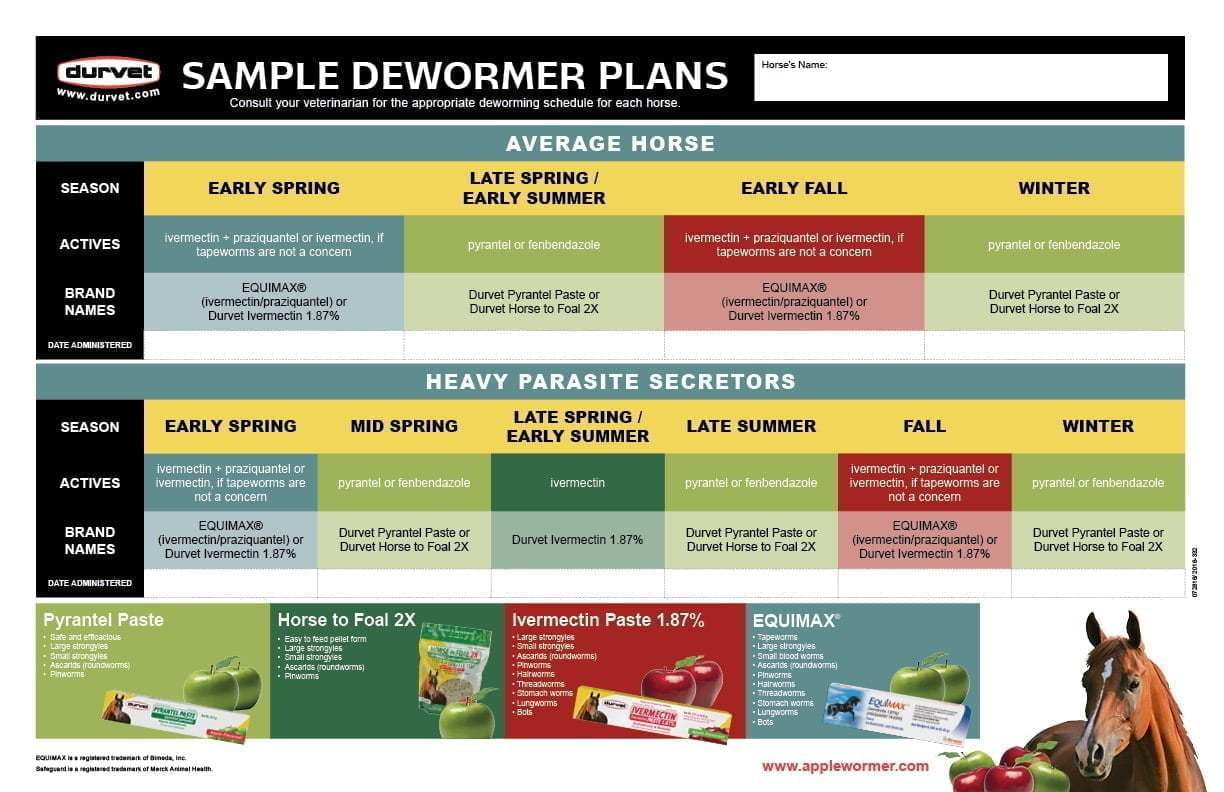
Dewormer Schedule
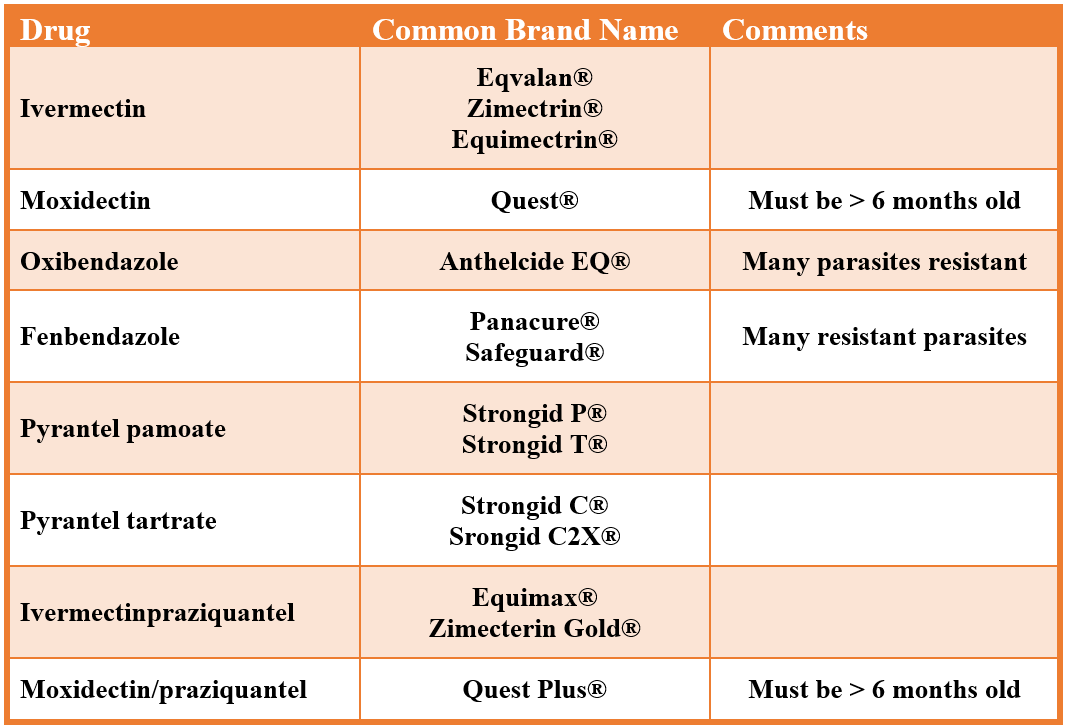
Effective Use of Dewormers for Horses Panhandle Agriculture
20% Of Horses Carry 80% Of Parasites.
Low Shedders (<200 Epg (Eggs Per Gram Of Manure) Fecal Egg Count Performed Prior To Deworming In Spring (Ideally Spring And Fall) Spring (March).
Web Equine Recommended Deworming Schedule.
This Article Is For Informational Use Only.
Related Post: