
Lymphatic System Chart
Lymphatic System Chart - Web lymph reenters the cardiovascular system at subclavian veins situated near the neck. It forms a vital part of the body’s immune defence. Web the lymphatic system anatomical chart illustrates internal iliac lymph node, as well as the lymph nodes and vessels of the stomach, pancreas, spleen, binary tract, small intestive, inguinal region, pelvis, and the posterior wall of the abdomen. Understanding the role of lymph nodes. Web the lymphatic system is a network of vessels and organs that regulates the amount of fluid in the human body and defends it against infections. Web the lymphatic system is a network of organs and tissues working together with the immune and circulatory systems to filter pathogens from the blood, and regulate fluid balance. Web the lymphatic system partly functions to convey lymphatic fluid, or lymph, through a network of lymphatic channels, filter lymphatic fluid through lymph nodes and return lymphatic fluid to the bloodstream, where it is eventually eliminated. These vessels carry a fluid called lymph away from body tissues and capillary beds to be filtered by nodes and organs, then returned to the bloodstream. The vessel network and the nodes and organs. The lymphatic system is responsible for picking up excess interstitial water and protein as well as other cells, including bacteria, which can enter the tissue through small cuts or breaks in the skin. This article focuses on the human lymphatic system. The lymphatic system involves many organs, including the tonsils, adenoids, spleen, and thymus. Amongst these, the lymphatic system plays an important duty in supporting the body’s immune defenses and also preserving total wellness as well as. The body is an elaborate network of systems and also organs, each with its very own important functions. It consists of a large network of lymphatic vessels, lymph nodes, lymphoid organs, lymphatic tissue and lymph. Web the lymphatic system (also called the lymphoid system) is part of the immune system. These cells look for and destroy invaders — such as bacteria, viruses, parasites and. Web the lymphatic system anatomical chart illustrates internal iliac lymph node, as well as the lymph nodes and vessels of the stomach, pancreas, spleen, binary tract, small intestive, inguinal region, pelvis, and the posterior wall of the abdomen. Dry brushing stimulates the lymphatic system, which can help improve lymphatic flow and drainage. Web lymphatic system anatomical chart. Web in the process, your lymphatic circulation system filters the fluid and works to remove toxins and potentially harmful waste. The lymphatic system poster illustrates: Web the lymphatic system anatomical chart illustrates internal iliac lymph node, as well as the lymph nodes and vessels of the stomach, pancreas, spleen, binary tract, small intestive, inguinal region, pelvis, and the posterior wall. Network of tissues, organs and vessels that help to maintain the body’s fluid balance & protect it from pathogens. Web the lymphatic system is a series of vessels and nodes that collect and filter excess tissue fluid (lymph), before returning it to the venous circulation. 3d models help you explore the anatomy and physiology. Web in the process, your lymphatic. Nursing students, delve deep into the silent networks that defend and detoxify our body every moment. Web this chart shows the lymphatic system throughout the human body. Web the lymphatic system is a network of vessels and organs that regulates the amount of fluid in the human body and defends it against infections. The lymphatic system poster illustrates: Web the. Nursing students, delve deep into the silent networks that defend and detoxify our body every moment. The system moves lymph, a clear fluid containing white blood cells , through your bloodstream. Web the lymphatic system, or lymphoid system, is an organ system in vertebrates that is part of the immune system, and complementary to the circulatory system. Lymph vessels &. Web in the process, your lymphatic circulation system filters the fluid and works to remove toxins and potentially harmful waste. Amongst these, the lymphatic system plays an important duty in supporting the body’s immune defenses and also preserving total wellness as well as. We can think of the lymphatic system in terms of two major divisions: Web the human lymphatic. Web the lymphatic system helps rid the body of toxins. Web the lymphatic system helps maintain fluid balance in the body by collecting excess fluid and particulate matter from tissues and depositing them in the bloodstream. Functions of the lymphatic system. 3d models help you explore the anatomy and physiology. Nursing students, delve deep into the silent networks that defend. Web learn all about the vessels, nodes, nodules, and ducts of the lymphatic system. There are two major functions of the lymphatic system. The lymphatic system involves many organs, including the tonsils, adenoids, spleen, and thymus. Web the lymphatic system helps rid the body of toxins. The system moves lymph, a clear fluid containing white blood cells , through your. Web the lymphatic system is a network of vessels, nodes, and ducts that collect and circulate excess fluid in the body. This enhanced flow helps the body detoxify more effectively, reducing. Nursing students, delve deep into the silent networks that defend and detoxify our body every moment. The vessel network and the nodes and organs. The lymphatic system consists of. The lymphatic vessels and capillaries; We can think of the lymphatic system in terms of two major divisions: Lymphatic vessels, lymph nodes, spleen, thymus, tonsils, etc. Web in the process, your lymphatic circulation system filters the fluid and works to remove toxins and potentially harmful waste. Web this chart shows the lymphatic system throughout the human body. This article gives a diagrammatic representation of the lymphatic system and its anatomy. Web the lymphatic system is a network of organs and tissues working together with the immune and circulatory systems to filter pathogens from the blood, and regulate fluid balance. Lymphatic vessels and ducts provide the complex transportation network of the lymphatic system. Web the lymphatic system is. The lymphatic system consists of two main parts: Learn about lymph itself, bone marrow, and the different types of immunity. Lymph vessels & lymph nodes of. Without it neither the circulatory system. Web the lymphatic system is a network of vessels, nodes, and ducts that collect and circulate excess fluid in the body. Web in the process, your lymphatic circulation system filters the fluid and works to remove toxins and potentially harmful waste. Nursing students, delve deep into the silent networks that defend and detoxify our body every moment. Lymphatic vessels, lymph nodes, spleen, thymus, tonsils, etc. Web the human lymphatic system: ), the spleen, and the. We can think of the lymphatic system in terms of two major divisions: This classic illustration of the lymphatic system was drawn by medical illustrator peter bachin in 1957. Journey through the body’s unsung heroes with our guide on the lymphatic system’s anatomy and physiology. It produces and releases lymphocytes (a type of white blood cell) and other immune cells. Network of tissues, organs and vessels that help to maintain the body’s fluid balance & protect it from pathogens. Web lymphatic system anatomical chart.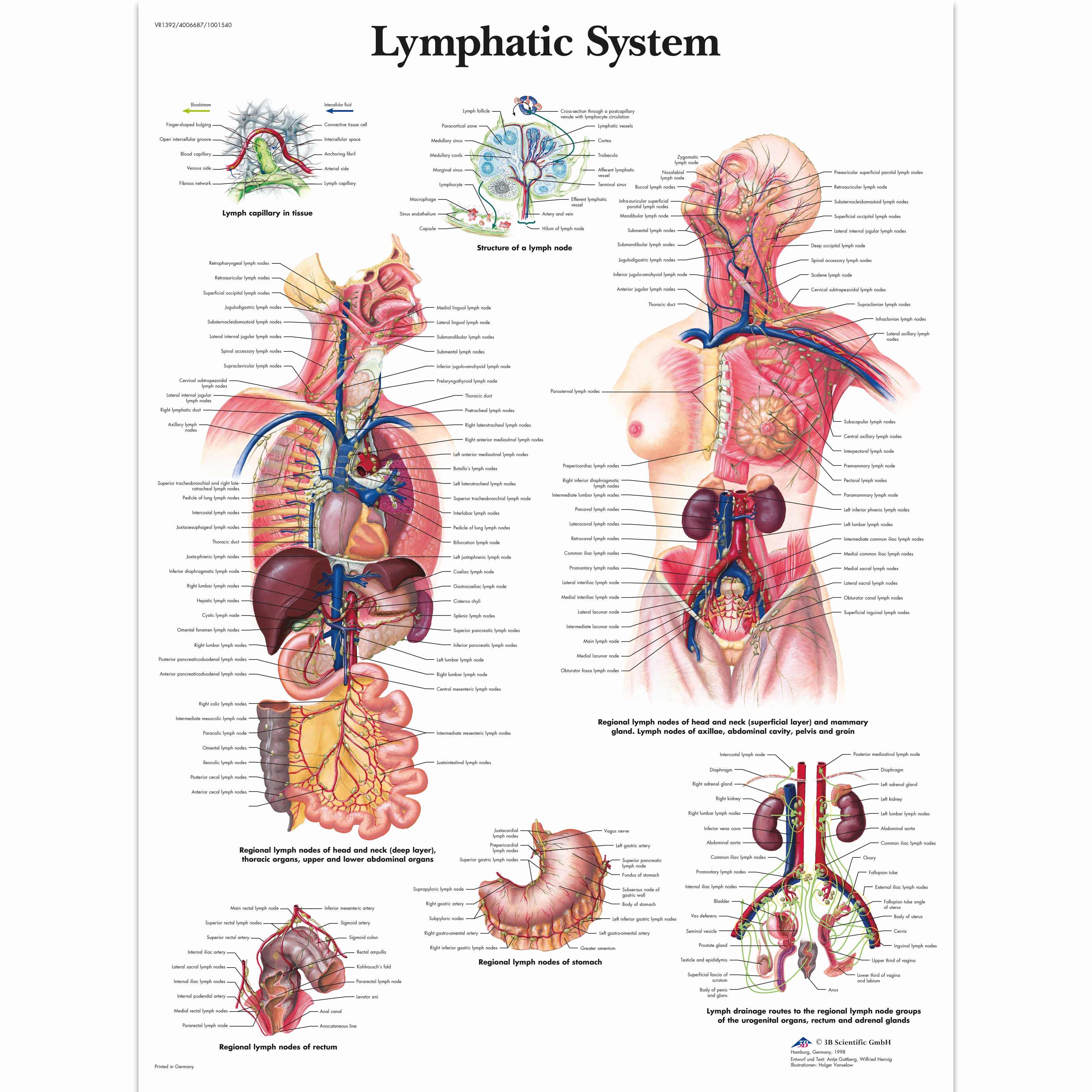
Anatomical Charts and Posters Anatomy Charts Lymphatic System Paper

labeled diagram of the lymphatic system Knitive
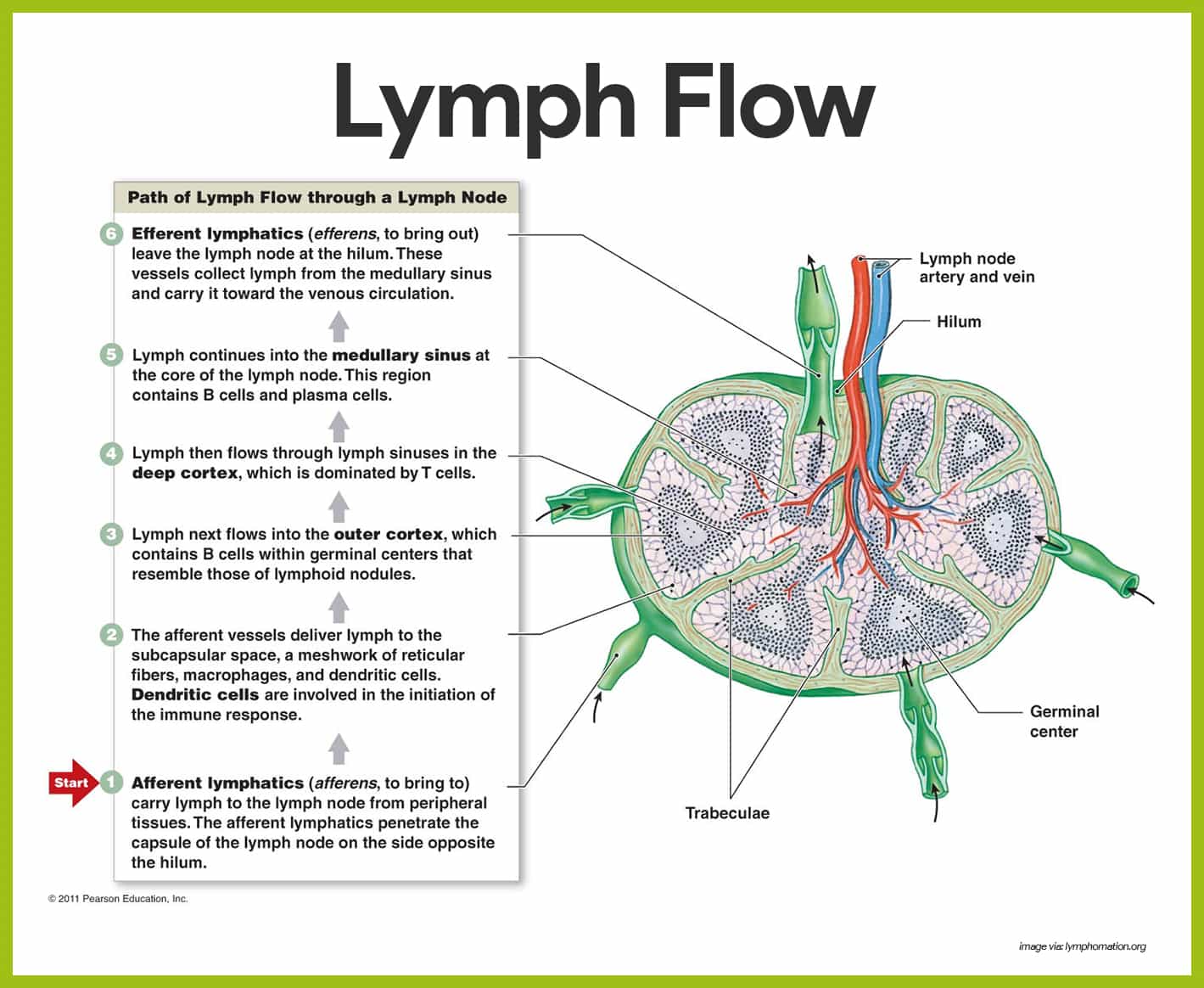
Lymphatic System Anatomy and Physiology Nurseslabs
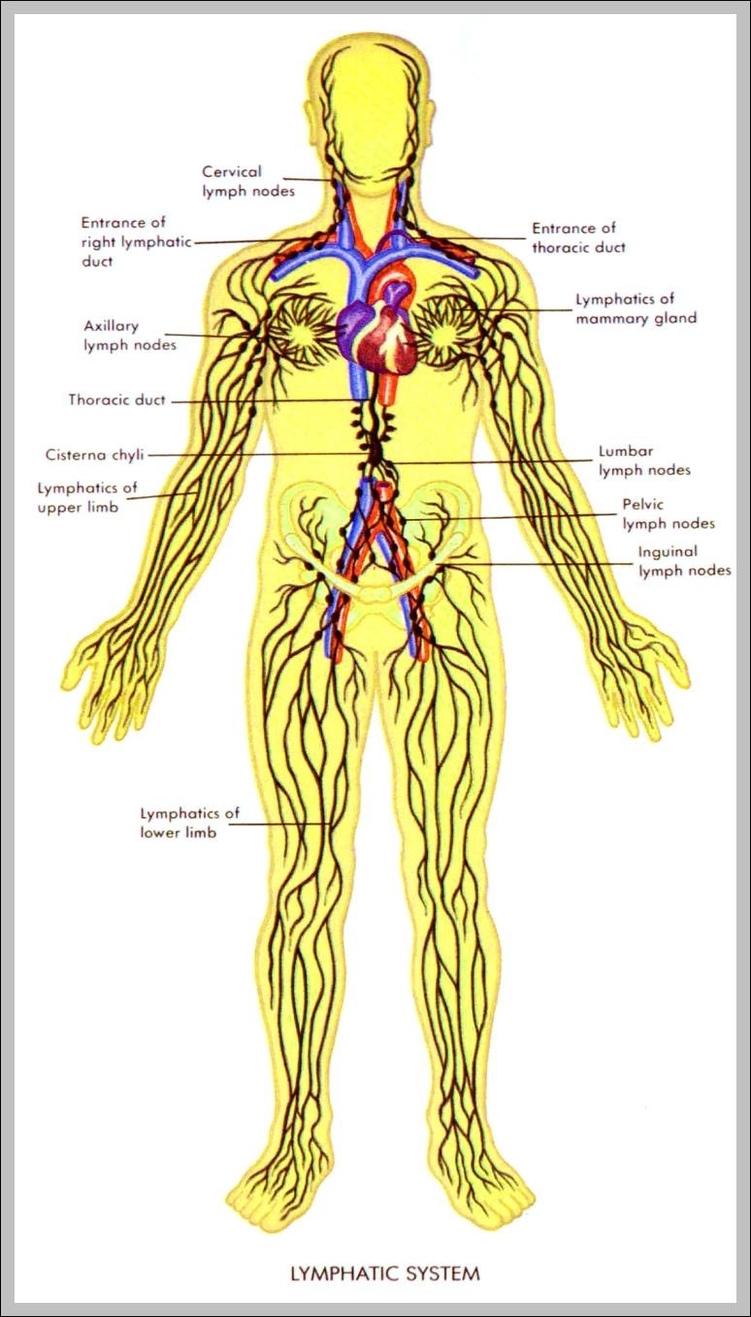
what is lymphatic system 744×1371 Anatomy System Human Body Anatomy
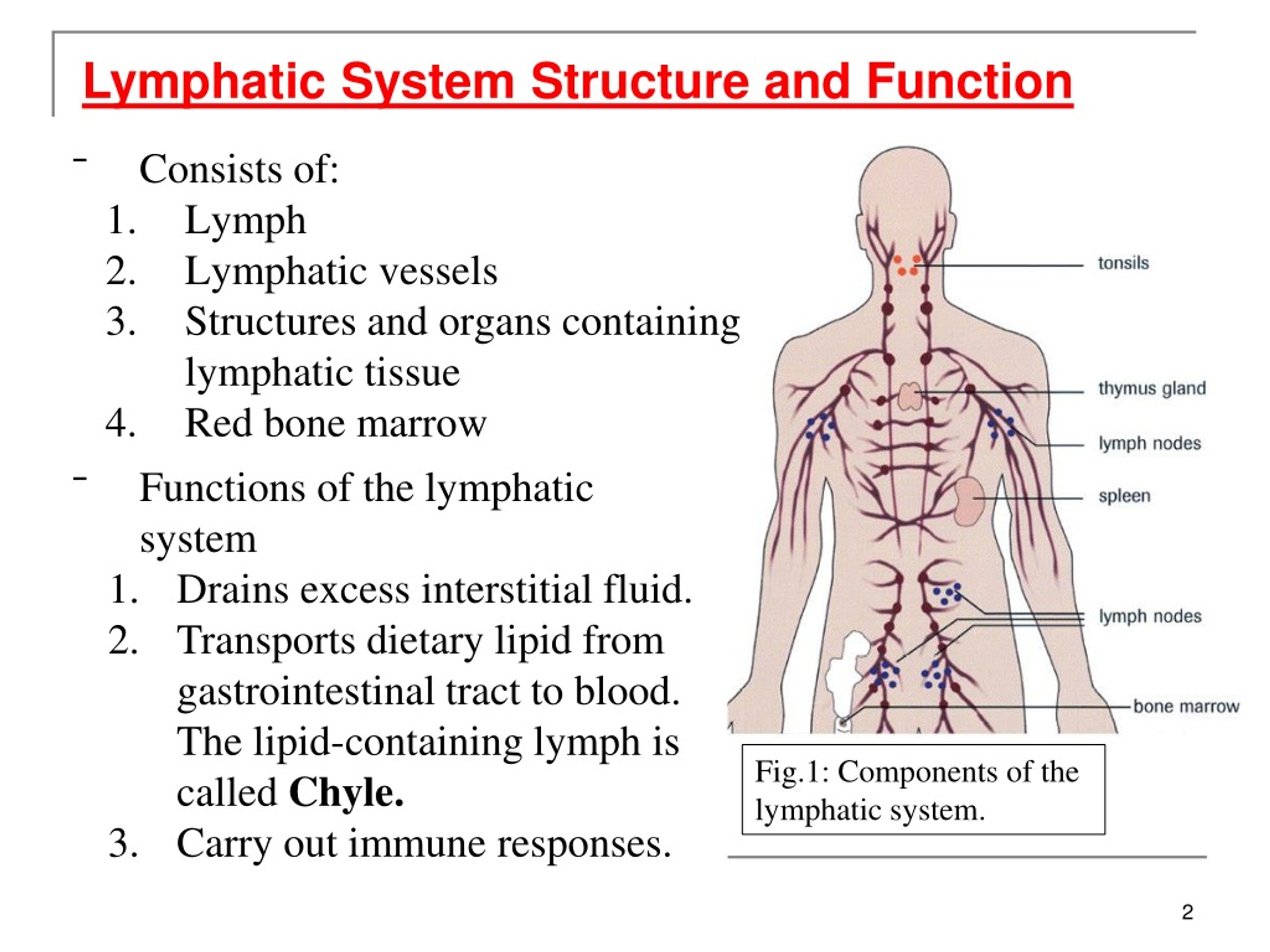
PPT The Lymphatic System PowerPoint Presentation, free download ID
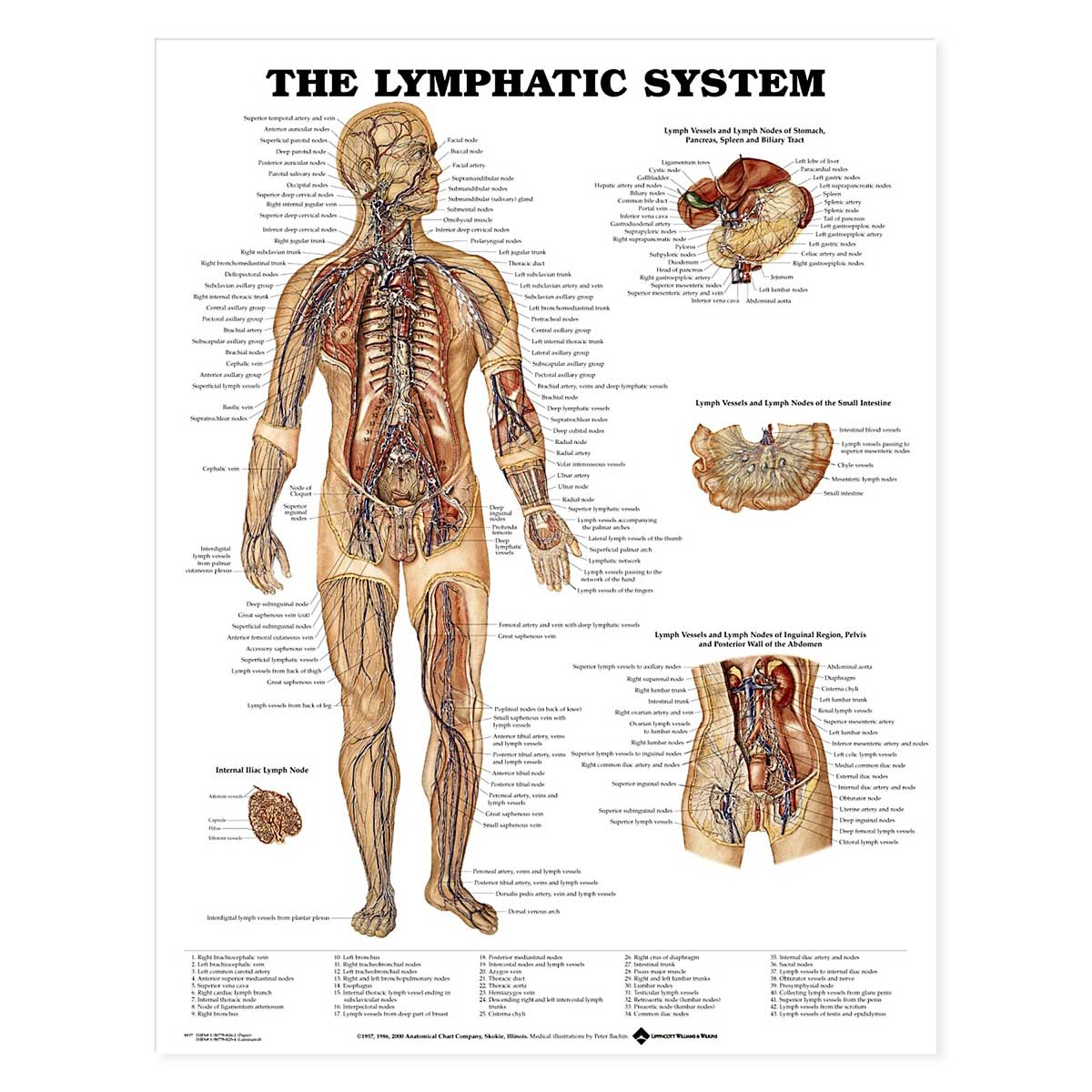
The Lymphatic System Anatomical Chart 20'' x 26''
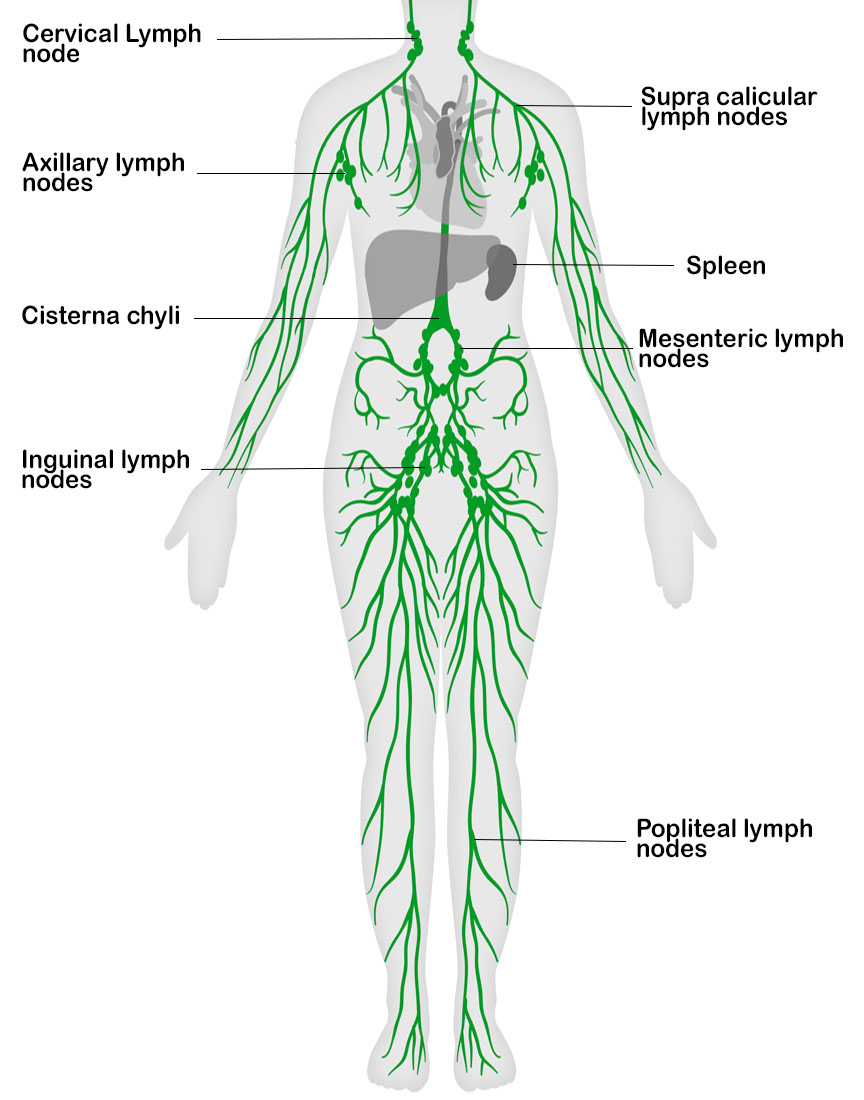
Lymphatic System Flow Chart

Human Body Lymphatic System Carolina Biological Supply

Lymphatic System Drainage Chart
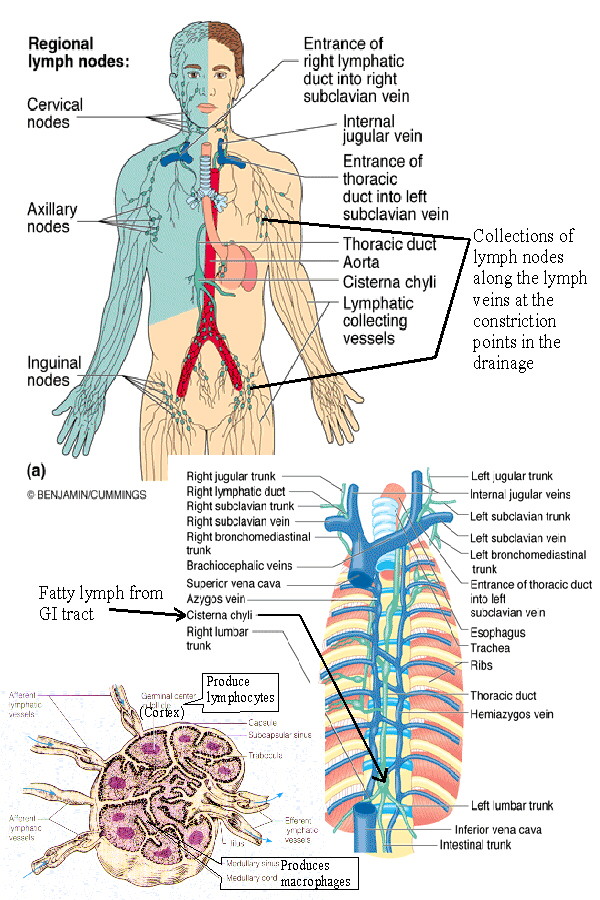
Understanding the Lymphatic System
In This Article, We Go Into More Detail About What Lymphatic Circulation Is, How It Works, Why It Is Important, And Methods For How To Boost Lymphatic Circulation.
The Lymphatic System Is Responsible For Picking Up Excess Interstitial Water And Protein As Well As Other Cells, Including Bacteria, Which Can Enter The Tissue Through Small Cuts Or Breaks In The Skin.
It Forms A Vital Part Of The Body’s Immune Defence.
The Lymphatic Vessels And Capillaries;
Related Post: