
Main Idea And Details Anchor Chart
Main Idea And Details Anchor Chart - This means understanding many aspects, such as the main idea, supporting details, and figurative language. Why and how to use them. To help students, teachers often break down skills. Below is an example of a main idea and details anchor chart. This anchor chart represents main ideas as an umbrella sheltering key details as raindrops, emphasizing that details support the main idea. This part has taken a loooooooottttt of practice! Fill out a graphic organizer with the student. This chart presents how to identify the main idea by looking in the first and last sentences and thinking about what the author wants the reader to learn. Our students were able to grasp this concept. Web write a main idea statement. Below is an example of a main idea and details anchor chart. After we brainstorm keywords, we begin to see if we can use some of the words in a sentence that tells what the whole thing was about. Presenting main ideas as tabletops with legs for supporting details, this chart stresses the need for strong details to uphold the central point. If you divide a piece of anchor chart paper (or printer paper for individual activity) into four squares, this allows students to fill the squares with information about main topic and key details. Honestly, there is so much to focus on when reading! Web start by introducing main idea and supporting details using an anchor chart with a fun visual, like a heart, legs supporting a table, branches on a tree, or an umbrella with raindrops. Summarize all of the main idea concepts with this anchor chart. Anchor charts are a way to make a lesson stick around long after you’ve taught the skills. This anchor chart represents main ideas as an umbrella sheltering key details as raindrops, emphasizing that details support the main idea. When reading any type of text, students must understand what it is about. Our students were able to grasp this concept. Analyzing a text for the main idea is central to literacy development. This means understanding many aspects, such as the main idea, supporting details, and figurative language. This chart presents how to identify the main idea by looking in the first and last sentences and thinking about what the author wants the. Analyzing a text for the main idea is central to literacy development. Try to use an anchor chart that’s visually stimulating and helps students put the story into context. We thought a table was a good analogy for this topic. Why and how to use them. This anchor chart represents main ideas as an umbrella sheltering key details as raindrops,. Students can use this ice cream cone anchor chart to determine the main idea along with three important supporting details. This means understanding many aspects, such as the main idea, supporting details, and figurative language. Use these main idea and supporting details mystery bags, graphic organizers, and literacy centers to teach how to identify the main topic and retell key. This can be achieved by reviewing the text’s details and. Web main idea and details anchor chart—ideas. This comes with a printable anchor chart, donut cut and paste graphic organizer, sentence stems, comprehension questions, and three informational text pages to practice! These visuals drive home the point that the main idea needs to be supported by key details. Summarize all. Fill out a graphic organizer with the student. Anchor charts are a way to make a lesson stick around long after you’ve taught the skills. Web provide visual support for your students with our identifying the main idea anchor chart. We thought a table was a good analogy for this topic. My students love this activity and help. Below is an example of a main idea and details anchor chart. This comes with a printable anchor chart, donut cut and paste graphic organizer, sentence stems, comprehension questions, and three informational text pages to practice! Presenting main ideas as tabletops with legs for supporting details, this chart stresses the need for strong details to uphold the central point. Try. It’s the chart you make once and use 100 times. With these no prep comprehension printables, students will be able to grasp the tricky concept of main idea and supporting details.included in this unit:*3 color anchor charts to help your students learn the terms main idea and supporting details*group activity that. When reading any type of text, students must understand. If you divide a piece of anchor chart paper (or printer paper for individual activity) into four squares, this allows students to fill the squares with information about main topic and key details. Why and how to use them. Web welcome to our main idea anchor chart resources! It’s the chart you make once and use 100 times. Below is. Web write a main idea statement. This comes with a printable anchor chart, donut cut and paste graphic organizer, sentence stems, comprehension questions, and three informational text pages to practice! This is a great way to ensure students learn each. This anchor chart represents main ideas as an umbrella sheltering key details as raindrops, emphasizing that details support the main. Web write a main idea statement. Main idea @mrs.smithin5th/anchor chart via instagram. Web start by introducing main idea and supporting details using an anchor chart with a fun visual, like a heart, legs supporting a table, branches on a tree, or an umbrella with raindrops. Try to use an anchor chart that’s visually stimulating and helps students put the story. Web this main idea and supporting details anchor chart is perfect for introducing the concept! Simply give each each of them sticky notes to write on. We thought a table was a good analogy for this topic. Fill out a graphic organizer with the student. The supporting details are the foundation for the surface which is the main idea. This can be achieved by reviewing the text’s details and. Procedural anchor charts are there to help with classroom routines. As your students start to grasp this main idea strategy,. Web this is the perfect companion to your primary students' study of main idea. After we brainstorm keywords, we begin to see if we can use some of the words in a sentence that tells what the whole thing was about. Analyzing a text for the main idea is central to literacy development. Presenting main ideas as tabletops with legs for supporting details, this chart stresses the need for strong details to uphold the central point. If you divide a piece of anchor chart paper (or printer paper for individual activity) into four squares, this allows students to fill the squares with information about main topic and key details. Main idea @mrs.smithin5th/anchor chart via instagram. Students can use this ice cream cone anchor chart to determine the main idea along with three important supporting details. Presenting main ideas as tabletops with legs for supporting details, this chart stresses the need for strong details to uphold the central point.
Main Idea And Details Anchor Chart 3rd Grade Main Idea Anchor Chart

Main Idea And Details Anchor Chart 4th Grade
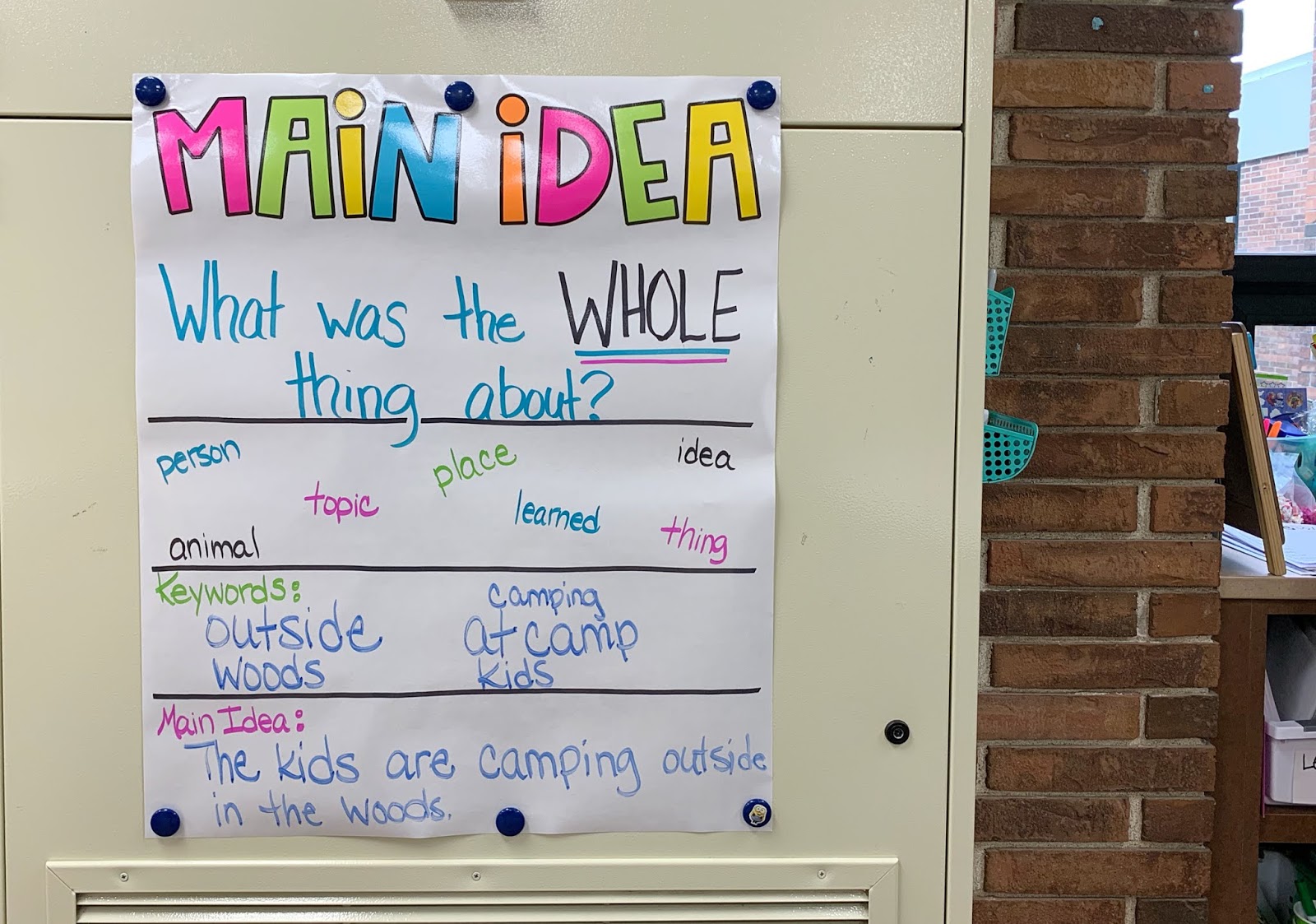
EASY to Use Main Idea Anchor Chart and FREE Printable The Primary Gal

Who can resist ice cream? Download this freebie from my TpT store to

Main Idea and Main Topic Anchor Chart Ideas Elementary Nest

Main Topic Key Details Anchor Charts Teaching main idea, Topic anchor
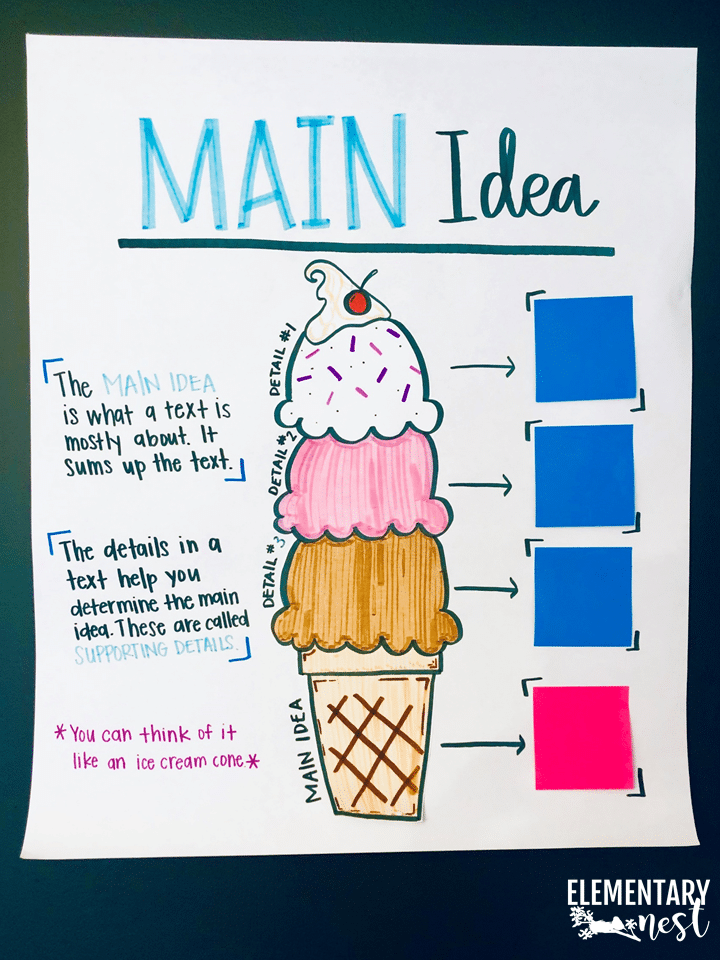
Main Idea and Main Topic Anchor Chart Ideas Elementary Nest

Central Idea And Details Anchor Chart Idea Main Grade Chart Anchor
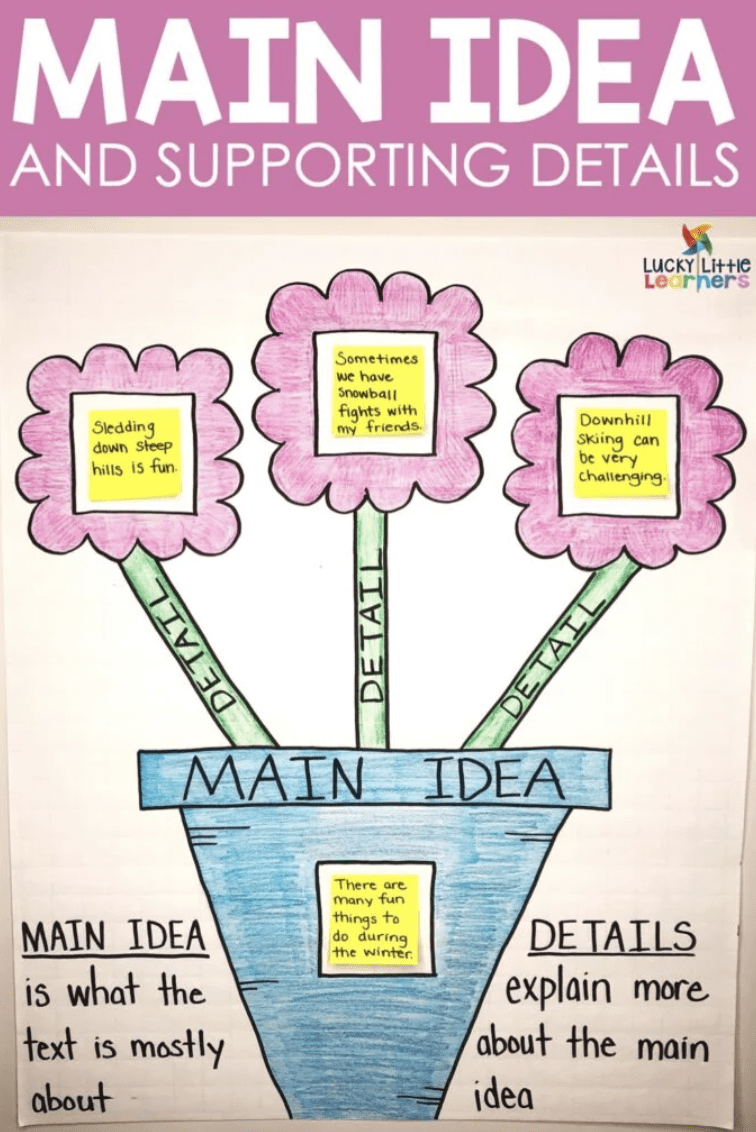
15 Anchor Charts To Teach Main Idea We Are Teachers

Main Idea and Main Topic Anchor Chart Ideas Elementary Nest
It’s So Easy For Young Readers To Confuse The Theme Of A Text With Its Main Idea, Which Is Why Comparing The Two Concepts Side By Side Is Sure To Set Up Your Students For Success.
Without The Supporting Details There Wouldn’t Be A Main Idea.
This Is A Great Way To Ensure Students Learn Each.
It’s The Chart You Make Once And Use 100 Times.
Related Post: