
Surfaces Of Teeth Chart
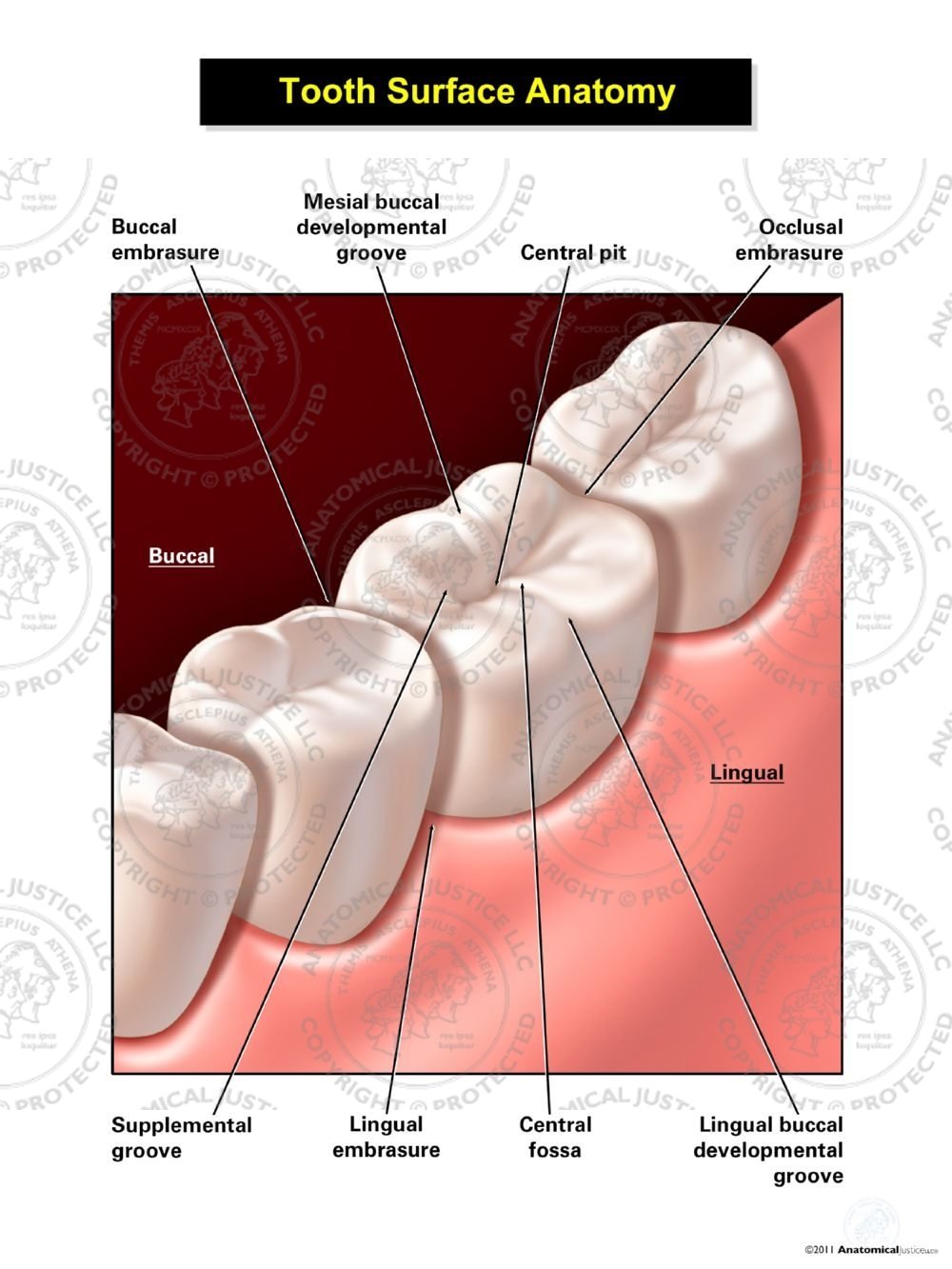
Surfaces Of Teeth Chart - Web most adults have 32 permanent teeth, including eight incisors, four canines, eight premolars and 12 molars. A tooth is a hard, bony appendage that develops on the jaw to pulverize food. This article will explain the different types of human teeth, their function, and how they're charted by dental professionals to help track of changes in your dental health. Web study the tooth numbers. Web the human teeth dental chart illustrates the types and working surfaces of the four classes of teeth. The teeth are categorized as incisors, canines, premolars, and molars and conventionally are numbered beginning with the maxillary right third molar (see figure identifying the teeth). Web learn the 5 dental surfaces every future dentist needs to know. For example, in posterior teeth, mandibular molar, the five surfaces are buccal, occlusal, lingual, mesial, and distal surfaces. Fully labeled illustrations of the teeth with dental terminology (orientation, surfaces, cusps, roots numbering systems) and detailed images of each permanent tooth. The numbering system shown is the one most commonly used in the united states. The surface of the tooth facing the tongue. Each surface has a different name and function. The surface of the tooth facing the cheek. Web a photo tutorial on surfaces of teeth and directions in the mouth. There are separate teeth number charts for adults as well as babies. Notice how they begin on upper left and finish on lower left. The goal is to offer some basic instruction about veterinary dentistry and its terminology. Web atlas of dental anatomy: This diagram helps us learn the names of each tooth, the. Web the human teeth dental chart illustrates the types and working surfaces of the four classes of teeth. Web study the tooth numbers. Web a comprehensive guide to teeth including types of teeth, tooth anatomy, tooth surface terminology and clinical relevance (e.g. The part of the tooth that projects into the mouth above the gum line. The buccal surface is the surface closest to the cheek. Notice how they begin on upper left and finish on lower left. Web most adults have 32 permanent teeth, including eight incisors, four canines, eight premolars and 12 molars. Web the teeth have surfaces based on the position, location, and uses of the tooth. Web a comprehensive guide to teeth including types of teeth, tooth anatomy, tooth surface terminology and clinical relevance (e.g. Web a photo tutorial on surfaces of teeth and. Tooth avulsion and enamel erosion). Web most adults have 32 permanent teeth, including eight incisors, four canines, eight premolars and 12 molars. The surface of the tooth facing the cheek. The mesial surface is the surface near the median line of the face. Web types of teeth. The buccal surface is the surface closest to the cheek. The mesial surface is the surface near the median line of the face. Web when identifying teeth and referring to specific areas of a tooth, it is necessary to utilize named surfaces and directions designated according to where it is located. A layer underlying the enamel. The goal is to. This leaves up to eight adult teeth in each quadrant and separates the opposing pairs within the same alveolar bone as well as their counterparts in the opposing jaw. The buccal surface is the surface closest to the cheek. Notice how they begin on upper left and finish on lower left. The surface of the tooth facing the palate. The. Teeth also have number/letter designations. This month's column is set up as a photo tutorial. You have four of them in your upper jaw and four in your lower jaw. The surface of the tooth facing the lips. Sets of dentition, teeth types, eruption. The lingual surface is that which is closest to the tongue. Web types of teeth. Your teeth play a big role in digestion. Enamel, which is the hardest substance in the body, is on the outside of the tooth. Web study the tooth numbers. Web when identifying teeth and referring to specific areas of a tooth, it is necessary to utilize named surfaces and directions designated according to where it is located. Though they look more like bones, teeth are actually ectodermal organs. You have four of them in your upper jaw and four in your lower jaw. The five surfaces are labial, palatal,. Web the teeth surfaces include distal, mesial, buccal, lingual, labial, occlusal, and incisal. Each surface has a different name and function. Web study the tooth numbers. Web multiple points on the top surface of these teeth help you chew and grind food. Web a teeth chart is a simple drawing or illustration of your teeth with names, numbers, and types. The surface of the tooth facing the lips. Teeth also have number/letter designations. The buccal surface is the surface closest to the cheek. They cut and crush foods, making them easier to swallow. Sets of dentition, teeth types, eruption. Children have twenty teeth, called deciduous or milk teeth, between six months and six years of age. In man, the design of the teeth is a reflection of eating habits, as humans tend to be meat eaters so teeth are formed for cutting, tearing,… Enamel, which is the hardest substance in the body, is on the outside of the tooth. A layer of connective tissue that binds the roots of the teeth firmly to the gums and jawbone. Though they look more like bones, teeth are actually ectodermal organs. In addition to the specific naming and numbering, dental anatomy is also unique in the possible types of teeth and their respective numbers. Tooth avulsion and enamel erosion). Web learning the proper names for human teeth can make you more aware of the importance of your teeth and how they function. Knowing these surfaces can help patients better understand their dental health and what to expect when they visit the dentist. Web the human teeth dental chart illustrates the types and working surfaces of the four classes of teeth. The five surfaces are labial, palatal, mesial, distal and incisal surfaces. The surface of the tooth facing the palate. The part of the tooth that projects into the mouth above the gum line. Your eight incisor teeth are located in the front part of your mouth. Web the teeth have surfaces based on the position, location, and uses of the tooth. Teeth also have number/letter designations.
Tooth Surface Labeling Chart
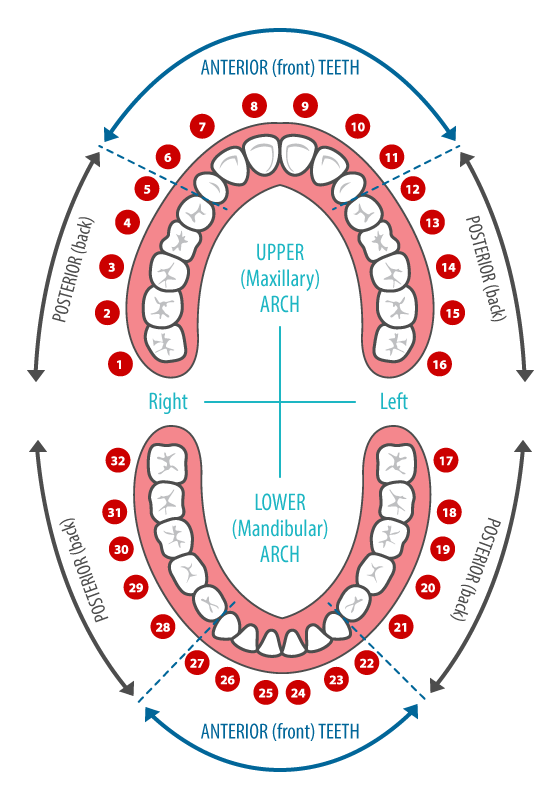
dental tooth numbers and surfaces

Tooth Chart With Numbers And Surfaces
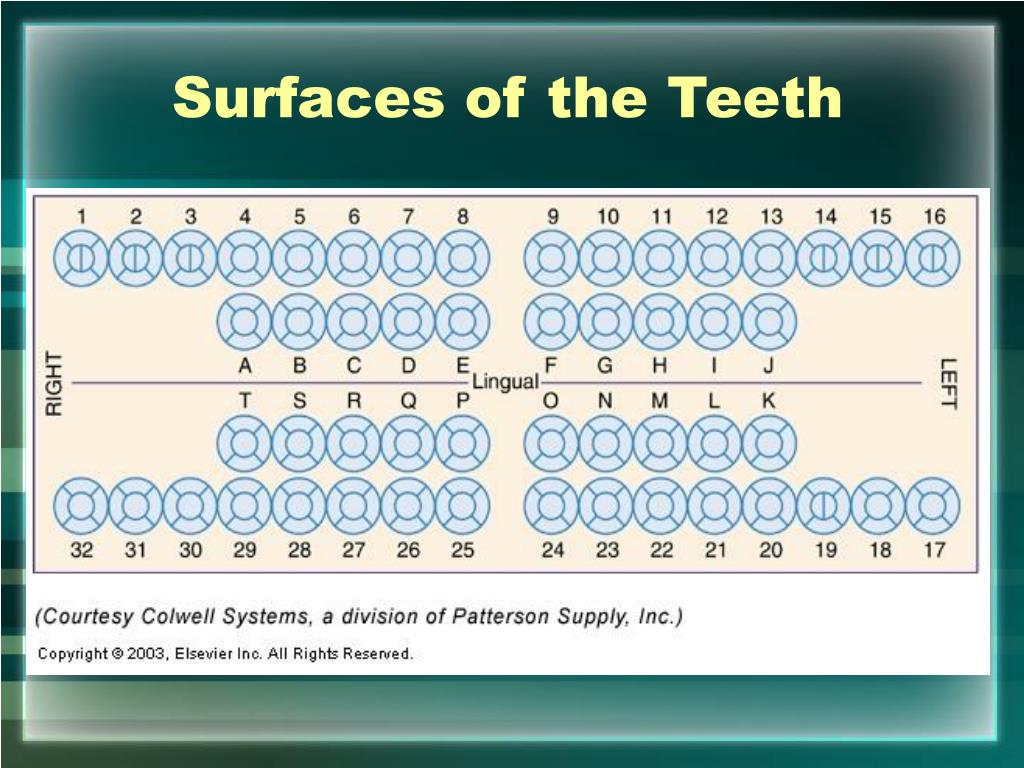
Dental Teeth Surfaces Chart
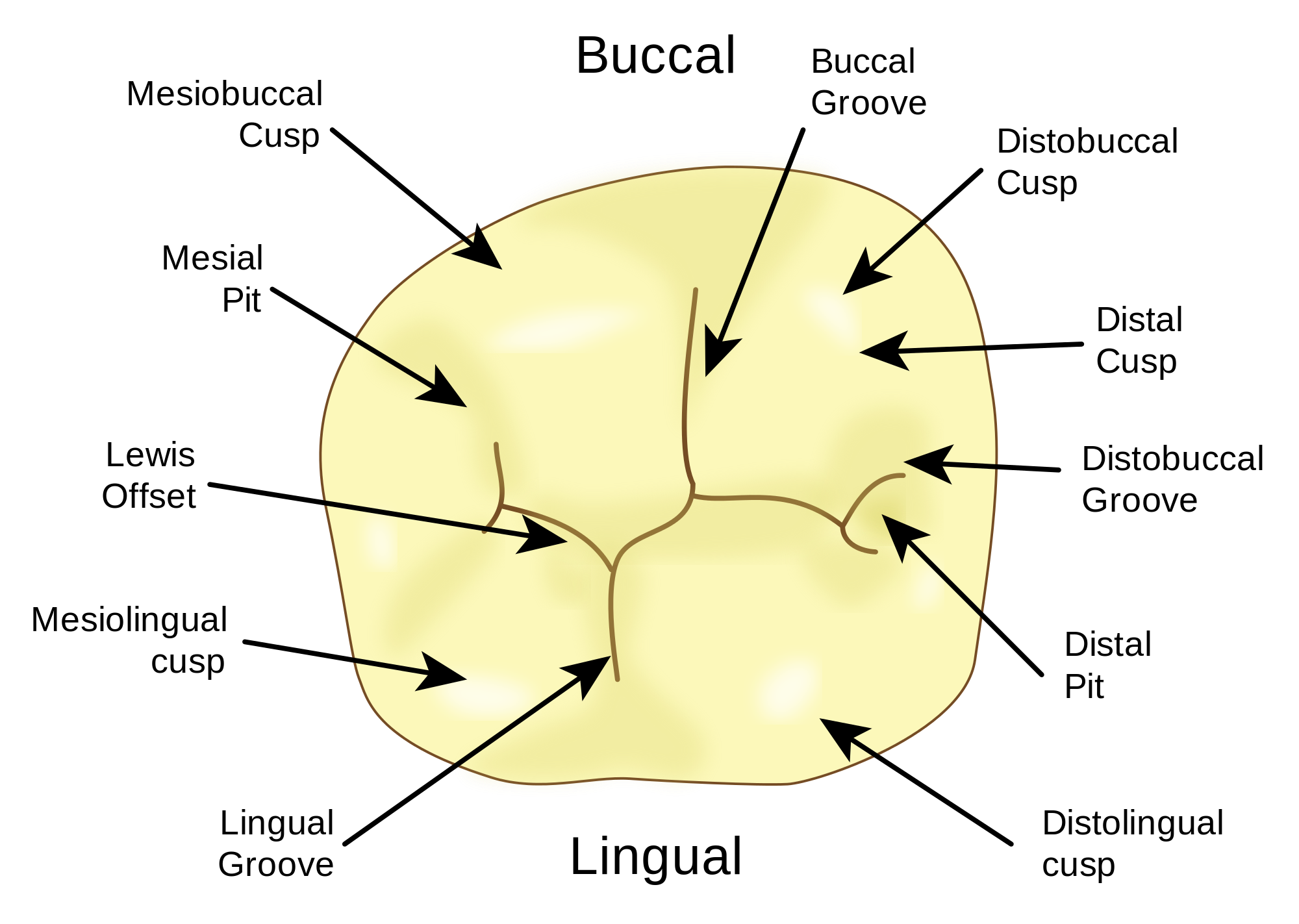
Your Tooth Surfaces Explained Dental Clinique
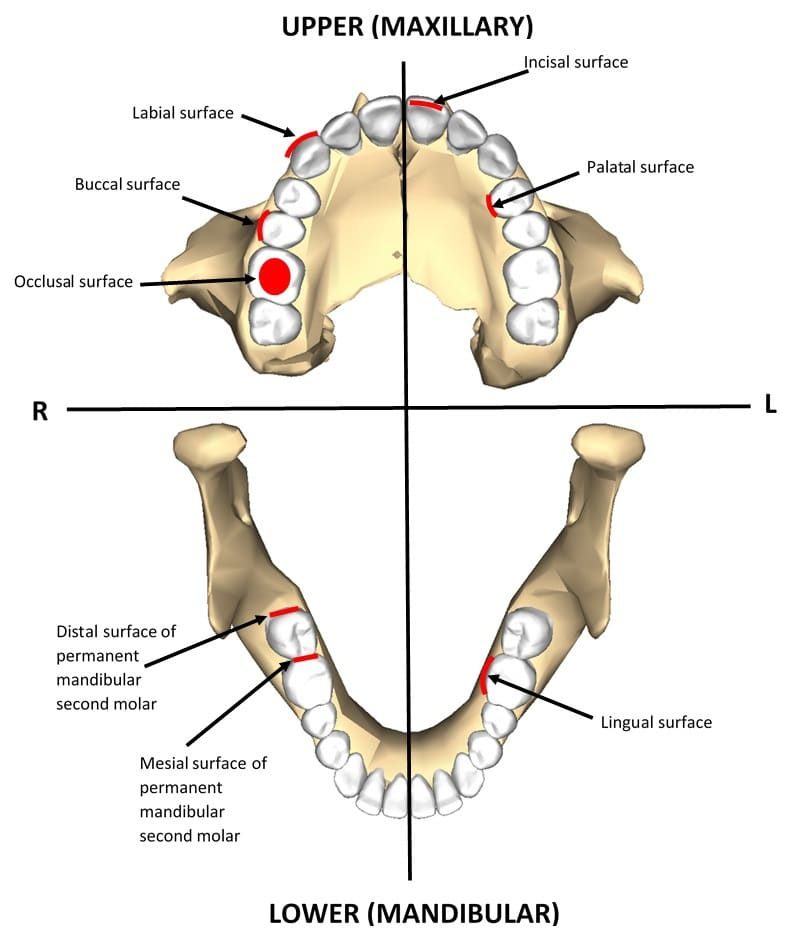
Teeth Types of Teeth, Tooth Anatomy Clinical Relevance Geeky Medics

surfaces of a tooth Terms in Dental Practice Terms in Dental Practice

The Different Types of Teeth Stonehaven Dental
What Is Surface Anatomy Anatomical Charts & Posters

Printable Tooth Surface Chart Customize and Print
Web A Teeth Chart Is A Simple Drawing Or Illustration Of Your Teeth With Names, Numbers, And Types Of Teeth.
Web Study The Tooth Numbers.
The Surface Of The Tooth Facing The Tongue.
Web A Photo Tutorial On Surfaces Of Teeth And Directions In The Mouth.
Related Post: