
Thread Weights Chart
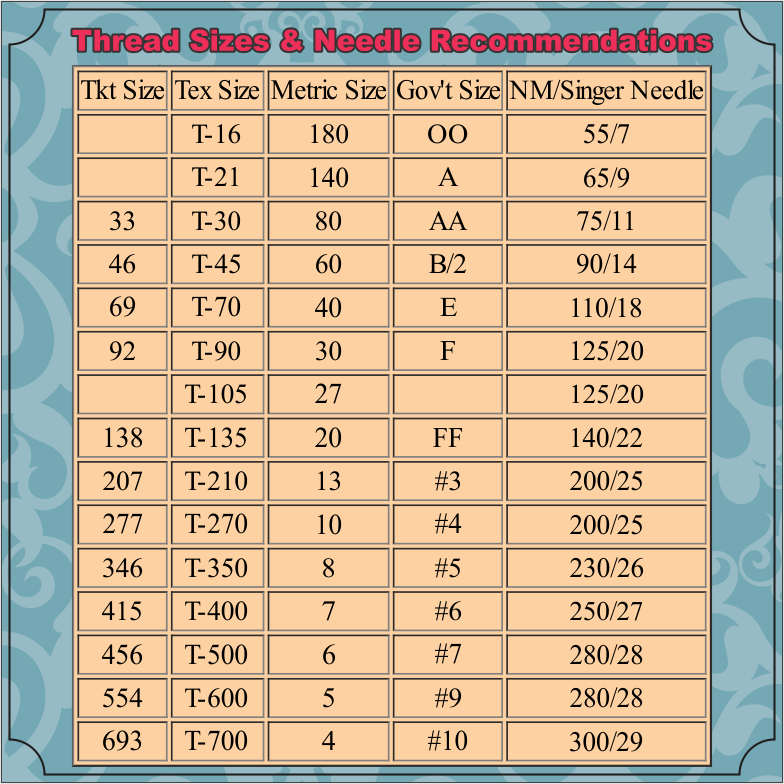
Thread Weights Chart - Web this table provides a comparison of thread weights across different measurement systems, such as weight per unit length or the number of strands. Web as i said earlier, the most important thing you need to keep in mind is that the higher the thread weight, the thinner the thread will be. The higher the number, the lighter and finer the thread. The best way to determine which thread weight you need is to test them out. Web the weight of a sewing thread is measured in tex, which is the weight in grams of 1,000 meters of thread. In this video, you’ll learn how these different weights of thread will show up (or not be seen at all) and where they can be used for the best advantage. Web used for cotton and other spun threads—weight is expressed as the number of kilometers required of a specific thread to weigh 1 kilogram. The groove in the front of the needle is designed to protect your thread as it’s pushed through the fabric. Web use this handy chart to quickly convert thread weights from one type to another. A small number correlates to a thicker thread; By selecting the appropriate thread weight, you can ensure the optimal balance of strength, visibility, and functionality in your sewing endeavors. Web in this blog, whether you use 100% cotton or polyester sewing machine thread, we’ll help you decipher what a thread weight means and which weight threads may be just right for your quilt projects. The higher the thread number the finer the thread strand. The thicker the thread, the more visible your stitches will appear in the fabric. Understanding thread weight helps you to find the right thread for each project. Web use this handy chart to quickly convert thread weights from one type to another. Click here to learn more and download the above chart. A bigger number correlates to a finer thread. Quick thread conversion chart includes formulas for converting thread weights between multiple sizing systems, including tex, dtex, weight, denier, and number metric (nm). A 30 weight thread is heavier than a 50 weight because it is denser and takes only 30 kilometers to equal one kilogram compared to 50. To determine the weight of a sewing thread, you need to know the length of the thread and its diameter. Thread weight is a length measurement and is. The groove in the front of the needle is designed to protect your thread as it’s pushed through the fabric. The best way to determine which thread weight you need is to. Web learn all about thread weight and why it is important! Here are some basic concepts to help make these numbers easier to understand. Web when choosing your thread, consider its weight (this refers to thickness). Choosing the wrong thread weight can result in poorly sewn seams or a machine that won’t sew at all. What color thread should i. A 30 weight thread is heavier than a 50 weight because it is denser and takes only 30 kilometers to equal one kilogram compared to 50. Web when choosing your thread, consider its weight (this refers to thickness). If you’re having troubles with thread shredding, trying going up. What do the mysterious numbers on the end of a spool mean?. Web used for cotton and other spun threads—weight is expressed as the number of kilometers required of a specific thread to weigh 1 kilogram. Web this chart provides a detailed overview of thread weights, their metric and u.s. Web in this blog, whether you use 100% cotton or polyester sewing machine thread, we’ll help you decipher what a thread weight. What color thread should i use? Weight is numbered on the spool: Quick thread conversion chart includes formulas for converting thread weights between multiple sizing systems, including tex, dtex, weight, denier, and number metric (nm). A small number correlates to a thicker thread; By selecting the appropriate thread weight, you can ensure the optimal balance of strength, visibility, and functionality. In this video, you’ll learn how these different weights of thread will show up (or not be seen at all) and where they can be used for the best advantage. Web embroidery machines usually come with a range of recommended thread weights for the different features. Web as i said earlier, the most important thing you need to keep in. Web when choosing your thread, consider its weight (this refers to thickness). Web use this handy chart to quickly convert thread weights from one type to another. You can use a ruler or a micrometer to measure the length and diameter of the thread. Web in this blog, whether you use 100% cotton or polyester sewing machine thread, we’ll help. Understanding thread weight helps you to find the right thread for each project. What do the mysterious numbers on the end of a spool mean? Web april 5, 2022 23 comments. Quick thread conversion chart includes formulas for converting thread weights between multiple sizing systems, including tex, dtex, weight, denier, and number metric (nm). Here are some basic concepts to. Web your thread should match the size of your needle. Get a printable pdf chart that summarises each thread type and when to use them. What do the mysterious numbers on the end of a spool mean? However, understanding what the different thread weights have to offer may open a. Web the weight of a sewing thread is measured in. The lower the thread number the heavier the thread strand. In this video, you’ll learn how these different weights of thread will show up (or not be seen at all) and where they can be used for the best advantage. Quick thread conversion chart includes formulas for converting thread weights between multiple sizing systems, including tex, dtex, weight, denier, and. The higher the thread number the finer the thread strand. Quick thread conversion chart includes formulas for converting thread weights between multiple sizing systems, including tex, dtex, weight, denier, and number metric (nm). Understanding thread weight helps you to find the right thread for each project. Web used for cotton and other spun threads—weight is expressed as the number of kilometers required of a specific thread to weigh 1 kilogram. A small number correlates to a thicker thread; However, understanding what the different thread weights have to offer may open a. A 30 weight thread is heavier than a 50 weight because it is denser and takes only 30 kilometers to equal one kilogram compared to 50. Let’s break it down to a few simple things to remember. Weight is numbered on the spool: Web this chart provides a detailed overview of thread weights, their metric and u.s. What do the mysterious numbers on the end of a spool mean? Web as i said earlier, the most important thing you need to keep in mind is that the higher the thread weight, the thinner the thread will be. Web your standard thread will often come in a medium 40 or 50 weight. Web unsure on which thread size to get for your project? Get a printable pdf chart that summarises each thread type and when to use them. Choosing the wrong thread weight can result in poorly sewn seams or a machine that won’t sew at all.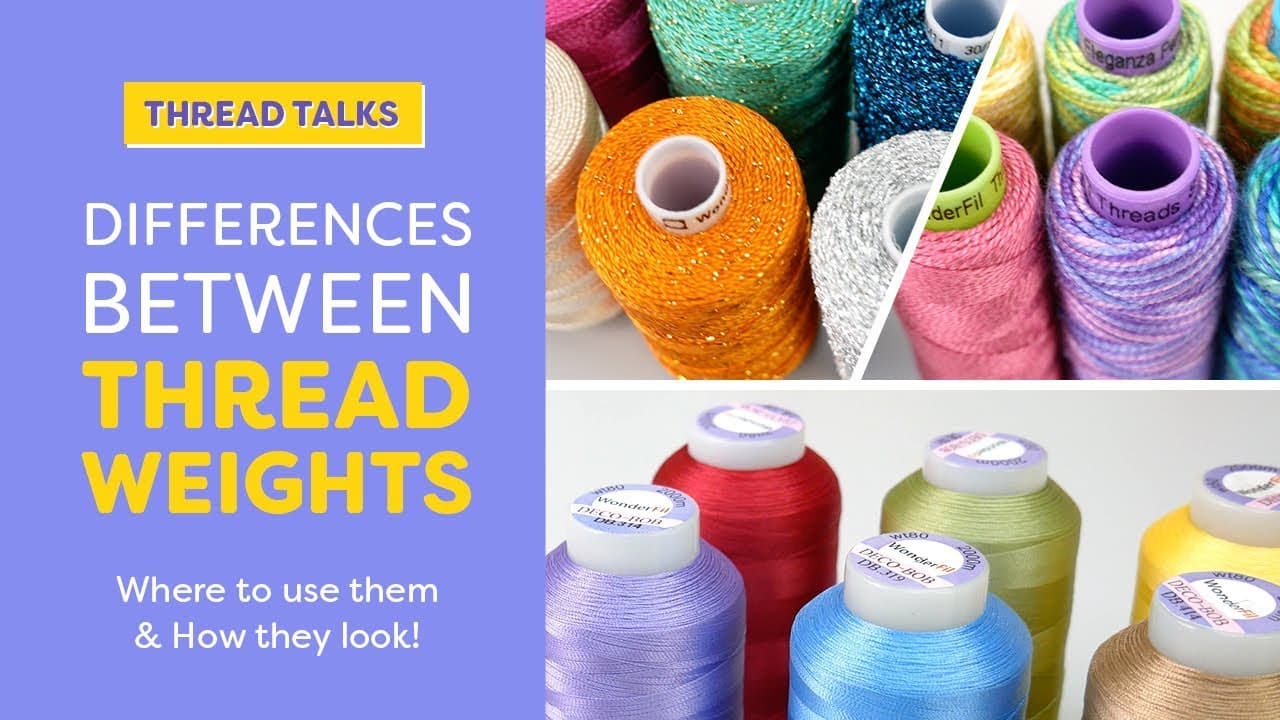
Differences Between Thread Weights Where to Use Them & How They Look

Thread Mastery A Guide to Understanding Thread Sewing Parts Online

Sewing Thread Weight Chart

Thread Weight Comparison Chart
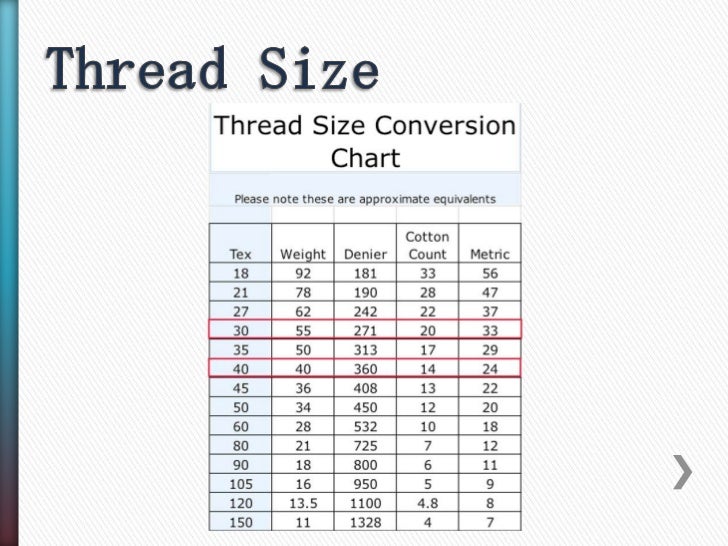
Thread Weight Comparison Chart

Cotton Thread Weight Chart
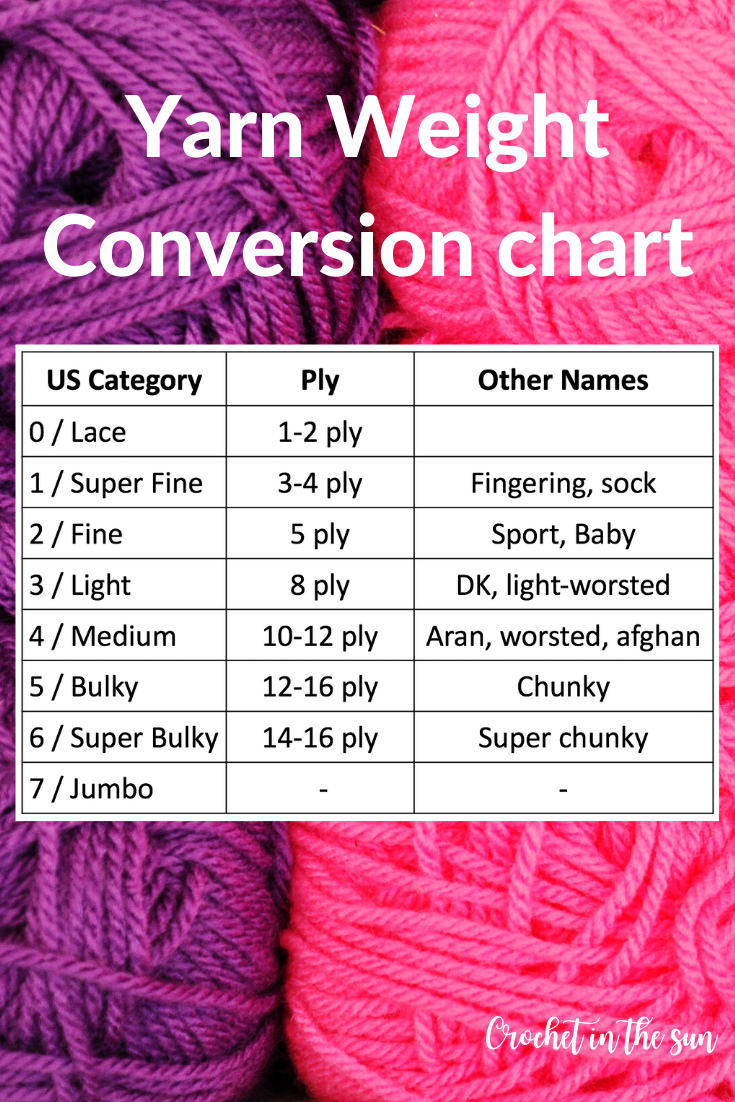
Global yarn weight conversion chart for US, UK, and Australia
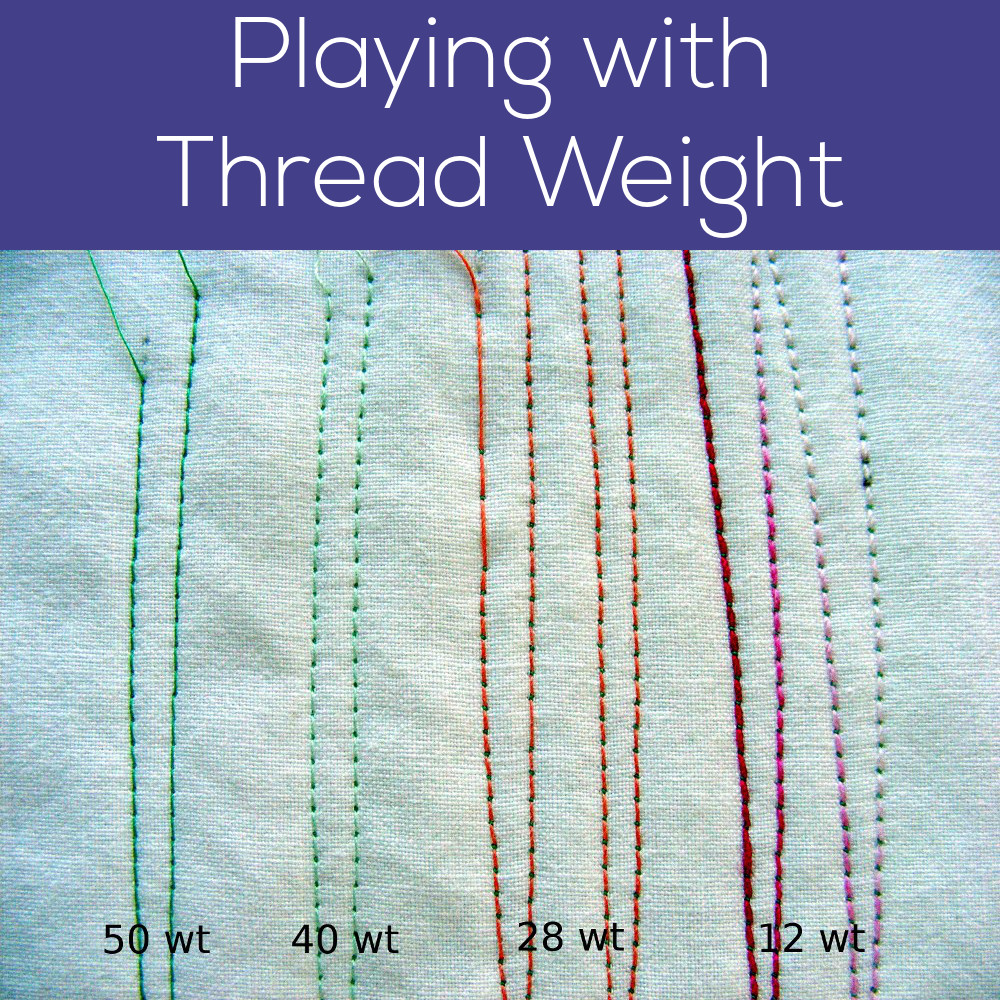
Sewing Thread Weight Chart
:max_bytes(150000):strip_icc()/understanding-yarn-weights-2117311-4757cac3f8cf4f13ab25393b30549c31.PNG)
All About Yarn Weights for Knitting
A spiffy reference chart Your guide to understanding how the various
The Best Way To Determine Which Thread Weight You Need Is To Test Them Out.
A Basic Conversion Chart For Understanding Thread Measurements:
The Thicker The Thread, The More Visible Your Stitches Will Appear In The Fabric.
Web In This Blog, Whether You Use 100% Cotton Or Polyester Sewing Machine Thread, We’ll Help You Decipher What A Thread Weight Means And Which Weight Threads May Be Just Right For Your Quilt Projects.
Related Post: